
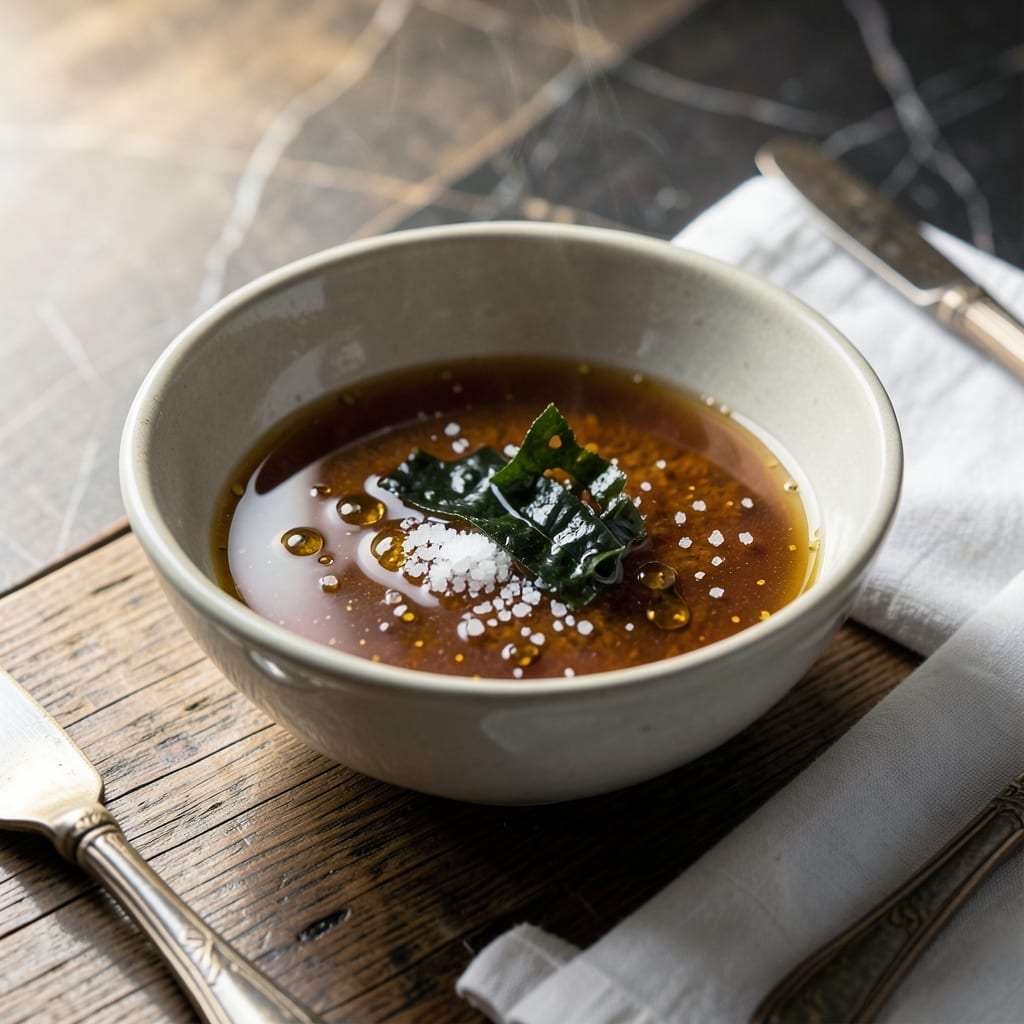
This vinegar blend transforms plain rice into authentic sushi rice with its signature tangy-sweet balance. I developed this recipe after years of experimenting to match the exact flavor profile of Tokyo sushi bars.
The secret lies in the precise ratio of rice vinegar, sugar, and salt—each component plays a crucial role in achieving that perfect harmony. Unlike store-bought versions, this homemade mix lets you control the sweetness and acidity to your taste.
You’ll create a bright, aromatic seasoning that clings beautifully to each grain of rice. The result is professional-quality sushi rice every time, with that unmistakable glossy sheen and delicate flavor.
Make a small batch for immediate use or store it in the fridge for up to a month. Here’s how to achieve that authentic taste at home.
Ingredients for Japanese Sushi Rice Vinegar
Six simple ingredients create that Tokyo sushi bar flavor at home with ease.
| Ingredient | Amount | Notes |
|---|---|---|
| Rice Vinegar 🧂 | ½ cup | Japanese seasoned or unseasoned |
| Granulated Sugar 🥄 | 3 tbsp | Fine white sugar preferred |
| Sea Salt 🧂 | 1 ½ tsp | Fine grain for even dissolution |
| Mirin 🍶 | 2 tbsp | Sweet Japanese rice wine |
| Dried Kelp 🌿 | 1 piece | Optional for umami depth |
| Sake 🍶 | 1 tbsp | Japanese rice wine |
The rice vinegar is non-negotiable here—Japanese brands like Marukan or Nakano give you that authentic tang. I grab mine from Asian markets or the international aisle at Whole Foods. Mirin adds a subtle sweetness that balances the acidity, but skip the aji-mirin (that’s a cooking version with added salt). Look for hon-mirin for the best results.
No mirin? Sweet sherry or dry white wine with a pinch of sugar works in a pinch. Swapping the rice vinegar? Apple cider vinegar at half the amount gets you close but won’t taste identical. The kelp is optional but adds that deep, briny note—find it at Trader Joe’s or most Asian grocers. For a vegan umami boost, a dash of soy sauce also works.
This keeps beautifully in the fridge for 1 month in a sealed jar. The flavors meld over time, so it’s even better after a few days. Shake well before each use to redistribute the sugar and salt.
Why You’ll Love This Recipe
- Minimal Effort: I just stir the rice vinegar, sugar, and salt together—no cooking, no fuss.
- Umami Bomb: The mirin and dried kelp give it that deep, savory-sweet kick sushi rice needs.
- Meal Prep Hero: I make a big batch and keep it in the fridge for sushi nights, grain bowls, or quick pickling.
- Pantry Staple: It lasts for weeks and costs pennies compared to store-bought seasoned vinegar.
Step-by-Step Instructions for Japanese Sushi Rice Vinegar
Here’s my method for achieving that balanced tang that makes sushi rice truly exceptional.
Step 1: Gently Warm the Mixture Base
Combine the 0.5 cup Rice Vinegar, 2 tbsp Mirin, and 1 tbsp Sake in a small saucepan. I use this order because the vinegar’s acidity needs the sweetness of mirin and depth of sake to create proper harmony.
Place the pan over low heat and warm gently for 1-2 minutes until the mixture is just warm to the touch. You’re not boiling this—just taking the chill off to help the sugar dissolve evenly. Watch for tiny bubbles forming at the edges as your visual cue.
Step 2: Dissolve the Sugar Completely
Add the 3 tbsp Granulated Sugar to the warm liquid mixture. The fine white sugar I recommend dissolves faster and more completely than coarser varieties. Stir constantly with a silicone spatula, making sure to scrape the bottom of the pan to prevent any hot spots.
Continue stirring until every grain disappears and the mixture becomes completely clear with no visible sugar crystals. This usually takes 2-3 minutes over low heat. If you see any undissolved bits, keep stirring—this is the foundation of your perfect balance.
Step 3: Incorporate Salt and Kelp for Depth
Remove the saucepan from heat and add the 1.5 tsp Sea Salt. I prefer fine grain sea salt here because it dissolves instantly and evenly distributes throughout the mixture. Stir thoroughly for 30 seconds until no salt grains remain visible.
For that authentic umami depth, add the 1 piece Dried Kelp to the mixture. The kelp will infuse its subtle oceanic notes as it steeps, but don’t worry—it won’t make the final product taste fishy. Let this steep for 10 minutes off the heat.
Step 4: Strain and Cool to Room Temperature
After steeping, remove the piece of kelp and discard it. The liquid should now have a beautiful, balanced aroma—sweet, tangy, and slightly salty with that elusive depth. I always give it a quick taste at this point to ensure the flavors have melded properly.
Let the vinegar mixture cool to room temperature before using. This is crucial because hot vinegar can cook the rice and affect its texture. The cooling process takes about 20-30 minutes, and you’ll know it’s ready when the saucepan feels cool to the touch.
Pro Tips For Making Japanese Sushi Rice Vinegar
- Dissolve Sugar First: Mix the granulated sugar into the warm rice vinegar before adding other ingredients—stir until fully dissolved to prevent grainy sushi rice.
- Use Real Mirin: Skip the cheap “mirin-fu condiment” and spring for true hon-mirin; it adds depth and balances the acidity without the artificial sweetness.
- Don’t Boil the Vinegar: Heat the mixture just enough to dissolve the sugar and salt, but avoid boiling or you’ll cook off the delicate flavors of the rice vinegar.
- Strain the Kelp: After infusing the vinegar with dried kelp, remove it promptly—leaving it in too long makes the seasoning bitter instead of umami-rich.
Wine and Beer Pairings for These Flavors
Sake Pairings
For the most authentic pairing, I recommend a crisp junmai ginjo sake served chilled at 45-50°F. The clean, slightly fruity notes complement the tangy-sweet profile without overpowering it. Look for Dassai 39 or Hakkaisan for premium options.
Japanese Beer
A light, dry Japanese lager like Sapporo or Asahi Super Dry cuts through the acidity beautifully. The subtle bitterness balances the sweetness while the carbonation refreshes your palate between bites. 🍺
White Wine
If you prefer wine, a dry Riesling from Germany or Alsace works wonderfully. Its high acidity mirrors the vinegar’s tang while the mineral notes add complexity. Try Dr. Loosen Blue Slate for a budget-friendly option.
Sparkling Options
For celebrations, pair with a dry sparkling wine like French Brut Champagne. The bubbles cleanse your palate, and the crisp acidity enhances the vinegar’s bright character. Moët & Chandon offers consistent quality.
Non-Alcoholic
A chilled green tea with its grassy, slightly bitter notes provides excellent contrast. I recommend Ito En Unsweetened for authentic Japanese flavor. Serve over ice for maximum refreshment. ✨
Nutrition Facts
Frequently Asked Questions
Can I substitute apple cider vinegar?
Use half the amount since it’s more acidic. The flavor won’t match exactly, but it works in a pinch.
How long does it keep in the fridge?
Stays fresh for 1 month in an airtight container. Shake before using as sugar may settle.
What if my mixture is too sweet?
Balance it with 1 tsp more rice vinegar. Add gradually and taste as you go.
Can I skip the mirin?
Yes, but add 1 tbsp sugar extra for similar sweetness. The flavor will be less complex.

- Mujadara Rice and Lentils Recipe: Earthy Spiced Lentils With Caramelized Onions - November 1, 2026
- Naija Fried Rice Recipe: Street-Style Spice With Veggie Crunch - November 1, 2026
- Mushy Rice Recipe: Fluffy Grains Transformed in Minutes - November 1, 2026