
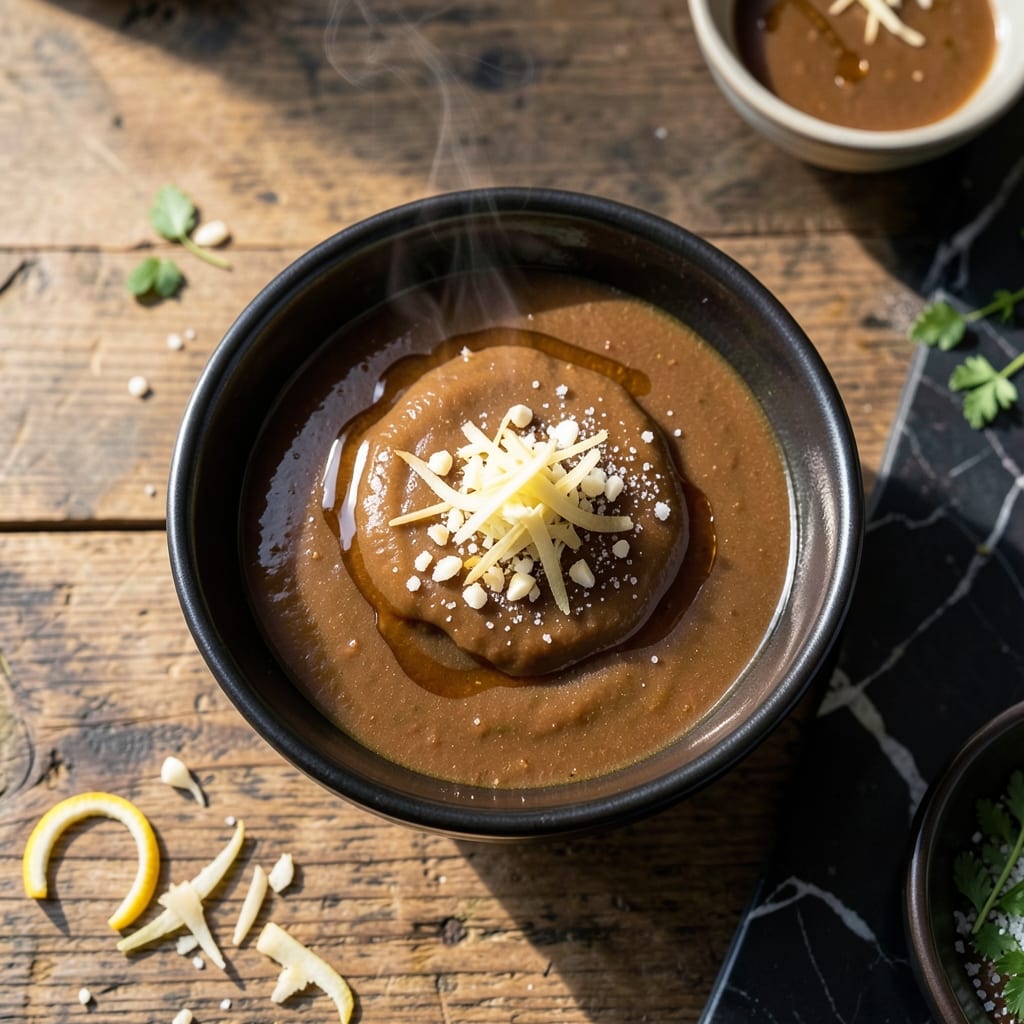
This tangy soy-ginger blend delivers the perfect balance for dumplings without relying on rice vinegar. The secret lies in using alternative acids that maintain brightness while complementing the savory base.
With just a handful of pantry staples, you can create a versatile sauce that enhances any dumpling filling. The result is a well-balanced condiment with depth and complexity.
Ingredients for Dumpling Sauce Recipe Without Rice Vinegar
Nine pantry staples create a bright, tangy sauce perfect for dumplings.
| Ingredient | Amount | Notes |
|---|---|---|
| Low-Sodium Soy Sauce 🥢 | ½ cup | Tamari for gluten-free option |
| Apple Cider Vinegar 🍏 | 2 tbsp | Alternative acid for brightness |
| Fresh Ginger Root 🌿 | 1 tbsp | Finely grated for intensity |
| Garlic Cloves 🧄 | 3 cloves | Minced for pungent flavor |
| Sesame Oil 🫒 | 1 tbsp | Toasted for nutty aroma |
| Granulated Sugar 🍚 | 1 tbsp | Balances acid and salt |
| Water 💧 | 2 tbsp | Adjusts sauce consistency |
| Red Pepper Flakes 🌶️ | ½ tsp | Adds subtle heat |
| Green Onions 🧅 | 2 whole | Thinly sliced for garnish |
The soy sauce is the foundation here. Kikkoman low-sodium is my go-to for consistent flavor without overpowering saltiness. Tamari works if you need gluten-free (check labels at Whole Foods). For the vinegar, apple cider vinegar brings that fruity tang—Bragg is the brand I always grab. Fresh ginger is non-negotiable; the jarred stuff just doesn’t have the same punch.
No apple cider vinegar? White vinegar plus a pinch of sugar gets you close. Out of fresh ginger? Ground ginger at one-quarter the amount works in a pinch. Sesame oil is key for that nutty depth—Kadoya is the gold standard, but any toasted version from the Asian aisle will do. Want more heat? Double the red pepper flakes or add a dash of sriracha.
This keeps in the fridge for up to 2 weeks in a sealed jar. The flavors actually deepen over time. For longer storage, freeze in ice cube trays (up to 3 months), then pop out what you need. The green onions are best added fresh, so slice those just before serving.
Why You’ll Love This Recipe
- Five-Minute Mix: I just dump everything in a bowl and stir—no cooking, no fuss, just flavor.
- Ginger-Garlic Zing: The fresh ginger and garlic give it that bright, punchy kick that makes dumplings sing.
- Pairs With Everything: Honestly, I’ve used this on gyoza, noodles, even roasted veggies.
- Budget-Friendly Staple: All pantry basics, and it keeps for weeks in the fridge.
Step-by-Step Instructions for Soy-Ginger Dumpling Sauce
Here’s the method. Straightforward, tested, works every time.
Step 1: Grate the Ginger and Mince the Garlic
Start by finely grating the 1 tbsp Fresh Ginger Root using a microplane or the smallest holes on a box grater. I press down firmly as I grate to extract as much juice as possible—this gives you maximum ginger flavor in every bite.
Next, mince the 3 cloves Garlic Cloves until they’re almost paste-like. Real talk: fresh garlic makes all the difference here. The finer you mince it, the more it’ll distribute evenly throughout the sauce, ensuring every dumpling gets that perfect garlicky kick.
Step 2: Combine Wet Ingredients and Sweeten
In a medium bowl, whisk together the 0.5 cup Low-Sodium Soy Sauce and 2 tbsp Apple Cider Vinegar until fully combined. The vinegar’s brightness will balance the soy sauce’s saltiness beautifully.
Add the 1 tbsp Granulated Sugar and whisk vigorously for 30 seconds until completely dissolved. You’ll notice the mixture slightly thicken as the sugar incorporates—this is what gives the sauce its glossy finish and helps it cling to dumplings.
Step 3: Infuse with Aromatics and Heat
Stir in the grated ginger, minced garlic, and 0.5 tsp Red Pepper Flakes. The red pepper adds just enough heat to make the sauce interesting without overwhelming the other flavors.
Now add the 1 tbsp Sesame Oil and 2 tbsp Water. The sesame oil brings that distinctive nutty aroma that pairs so well with dumplings. Whisk everything together for another 20 seconds until fully emulsified.
Step 4: Rest and Finish with Green Onions
Let the sauce sit for 10 minutes to allow the flavors to meld together. This resting time is crucial—it lets the ginger and garlic infuse the liquid with their full potential.
Just before serving, thinly slice the 2 whole Green Onions and stir them into the sauce. Their fresh, oniony bite adds the perfect finishing touch. The sauce should be smooth, slightly glossy, and packed with flavor in every drop.
Taste and adjust seasoning if needed, though I’ve found this ratio works perfectly every time. Serve at room temperature for the best flavor.
Pro Tips For Making Dumpling Sauce Recipe Without Rice Vinegar
- Grate the ginger: Use a microplane for the fresh ginger root—it releases more juice and blends smoothly into the sauce without fibrous bits.
- Bloom the aromatics: Briefly heat the minced garlic and grated ginger in a dry pan for 30 seconds before adding liquids to deepen their flavor.
- Balance the vinegar: Apple cider vinegar is stronger than rice vinegar, so start with half the amount you’d normally use and adjust to taste.
- Finish with sesame: Stir in the sesame oil at the very end, off the heat, to preserve its nutty aroma—adding it too early can make it bitter.
Dietary Considerations for This Dish
Gluten-Free Option
For a gluten-free version, simply swap the soy sauce for tamari. I always keep a bottle of San-J Tamari in my pantry—it delivers the same rich umami flavor without the gluten. The rest of the ingredients are naturally gluten-free, so no other adjustments are needed. ✨
Vegan Friendly
This sauce is already vegan as written. The apple cider vinegar and sesame oil provide all the depth you need without any animal products. I love that it pairs equally well with veggie dumplings or tofu-based fillings.
Low-Sodium Adaptation
To reduce sodium, use low-sodium soy sauce (or tamari) and cut the amount by 25%. Then, add 1 tsp of lime juice to boost the brightness. I find this keeps the flavor balanced while cutting the salt content significantly.
Sugar-Free Version
Replace the 1 tbsp Granulated Sugar with 1 tsp of erythritol or your preferred sugar substitute. For a natural option, use 1 tbsp of honey or maple syrup, though this will add a mild flavor twist. The sauce will still be delicious, just slightly different in profile.
Allergen Notes
Check your sesame oil label if you have sesame allergies—some brands process in facilities with other allergens. For a sesame-free version, use avocado oil instead, though the flavor will be milder. Always verify labels for cross-contamination warnings. 💡
Nut-Free Variation
If nut allergies are a concern, ensure your sesame oil is pure and not blended with other oils. Most store-bought versions at Trader Joe’s or Whole Foods are safe, but it’s always wise to double-check the packaging.
Nutrition Facts
Frequently Asked Questions
What can I use instead of rice vinegar?
Apple cider vinegar works perfectly, as does white vinegar with a pinch of sugar. Lime juice can also add brightness in a pinch.
How long does this sauce keep?
Store in an airtight container in the fridge for up to 2 weeks. For longer storage, freeze in ice cube trays for up to 3 months.
Can I make this spicier?
Double the red pepper flakes or add a dash of sriracha. For extra heat, include 1 tsp of chili oil when whisking.
Is this sauce gluten-free?
Swap the soy sauce for tamari to make it gluten-free. All other ingredients are naturally gluten-free.

- Jollof Rice Sauce Recipe: West African Tomato and Spice Infusion - September 25, 2026
- Japanese Rice Soup Recipe: Umami-Rich Comfort in a Bowl - September 25, 2026
- Homemade Cream Of Rice Recipe: Silk-Smooth Breakfast in Minutes - September 25, 2026