
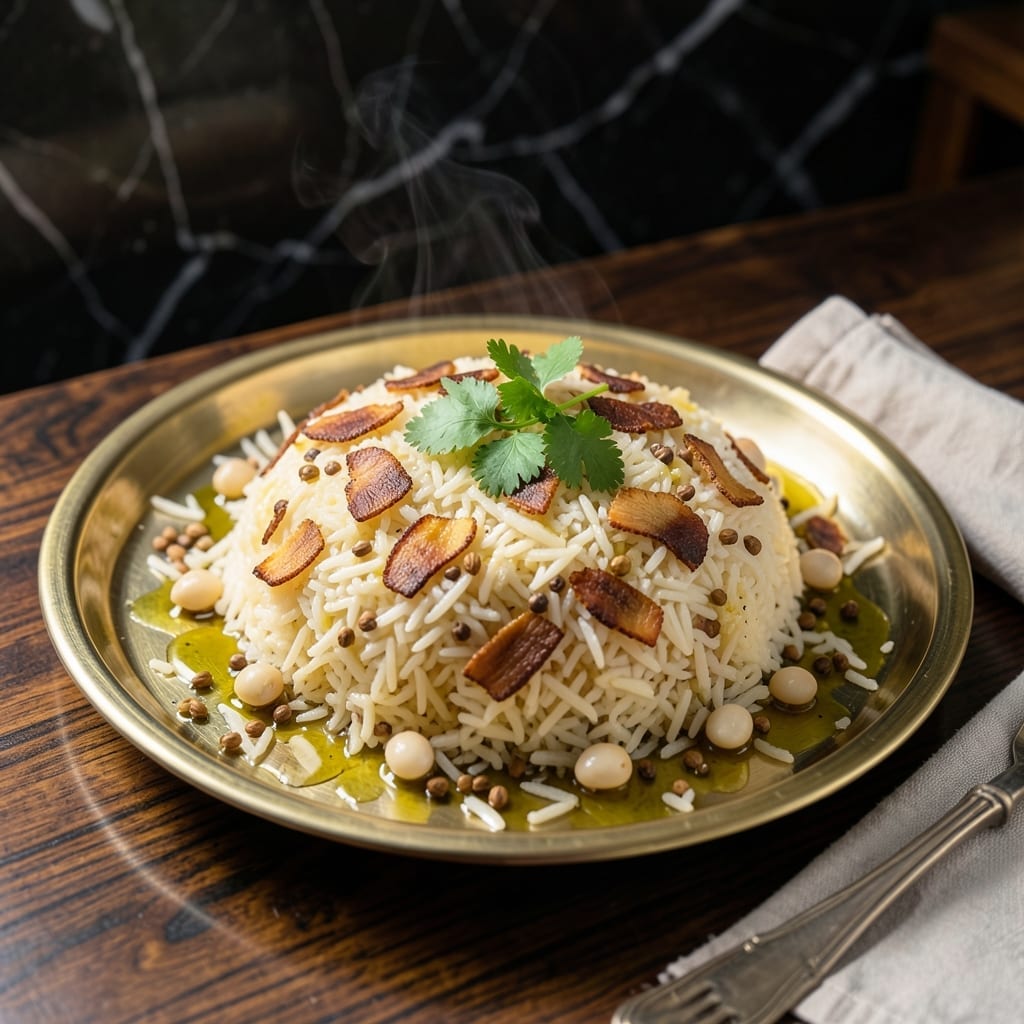
This fragrant dish brings the warmth of South Indian kitchens to your table with its rich coconut aroma and perfectly spiced rice. The technique of tempering whole spices in coconut oil creates layers of flavor that define authentic coconut rice.
What sets this creation apart is the balance of textures: fluffy rice grains coated in a light coconut infusion, punctuated by crispy fried spices. The method is straightforward but requires attention to detail for the best results.
The final dish offers a subtle sweetness from the coconut that complements the savory spices beautifully. It’s a comforting one-pot meal that pairs perfectly with yogurt or a simple vegetable curry.
Mastering this recipe means understanding how to bloom spices properly and time the coconut addition just right. The result is a dish that’s both aromatic and deeply satisfying.
Ingredients for Indian Coconut Rice
Aromatic basmati rice meets toasted coconut and tempered spices for authentic South Indian flavor.
| Ingredient | Amount | Notes |
|---|---|---|
| Basmati Rice 🌾 | 1 ½ cups | Rinsed until water runs clear |
| Coconut Oil 🥥 | 3 tbsp | Virgin, unrefined preferred |
| Dried Coconut Flakes 🥥 | ½ cup | Unsweetened, lightly toasted |
| Mustard Seeds 🌿 | 1 tsp | Black or yellow variety |
| Cumin Seeds 🌿 | 1 tsp | Whole, not ground |
| Urad Dal 🌾 | 1 tsp | Black gram lentils, optional |
| Chana Dal 🌾 | 1 tsp | Split chickpea lentils, optional |
| Green Chilies 🌶️ | 2 whole | Slit lengthwise, adjust to taste |
| Curry Leaves 🍃 | 10 pieces | Fresh preferred, dried acceptable |
| Cashew Halves 🌰 | ¼ cup | Lightly roasted for garnish |
| Ghee 🧈 | 1 tbsp | Clarified butter, optional for richness |
| Salt 🧂 | 1 tsp | Adjust to taste |
| Water 💧 | 3 cups | For cooking rice |
| Fresh Cilantro 🌿 | ¼ cup | Chopped, for garnish |
The coconut oil and flakes are non-negotiable for authentic flavor. Virgin, unrefined coconut oil from Trader Joe’s or Whole Foods delivers the best aroma. For the dried coconut, unsweetened flakes (not shredded) give the right texture. Basmati rice is traditional—look for aged varieties at Indian grocery stores for the best results. The dal additions are traditional but can be omitted if unavailable.
No coconut oil? Neutral oil like avocado works but lacks depth. Missing curry leaves? Skip them entirely—there’s no perfect substitute. For heat control, reduce green chilies to one or remove seeds. The ghee adds richness but vegan butter can stand in. Cashews can be swapped for peanuts or almonds (roughly chopped).
Toasted coconut flakes keep in an airtight container for 1 month. Cooked rice stays fresh for 2-3 days refrigerated but loses texture. For best results, make fresh each time (it reheats poorly). The tempered spices can be prepped ahead—store in a cool, dark place for up to 1 week.
Why You’ll Love This Recipe
- One Pot Wonder: I toss everything in together—basmati, coconut oil, and those little mustard seeds—and walk away while it cooks.
- Rich and Nutty: The toasted coconut flakes and cumin seeds give it this warm, earthy depth that’s honestly hard to stop eating.
- Meals All Week: It reheats beautifully, so I make a big batch and pack it for lunches or quick dinners.
- Budget Stretcher: Basmati rice and a handful of pantry spices go a long way, and it feels way fancier than it costs.
Step-by-Step Instructions for Indian Coconut Rice
Master this traditional method for perfectly fragrant rice with layered South Indian flavors.
Step 1: Rinse and Soak the Basmati Rice
Place the 1.5 cups Basmati Rice in a fine-mesh strainer and rinse under cold running water until the water runs completely clear. This removes excess starch and prevents the grains from clumping together during cooking.
After rinsing, transfer the rice to a bowl and cover with fresh water by 1 inch. Let it soak for 20-30 minutes. Soaking hydrates the grains, ensuring they cook evenly and absorb the coconut flavors more effectively.
Step 2: Temper the Spices and Aromatics
Heat the 3 tbsp Coconut Oil and 1 tbsp Ghee in a heavy-bottomed pot over medium heat. Add the 1 tsp Mustard Seeds and wait for them to pop, which takes about 30-45 seconds. This is your signal to add the remaining tempering ingredients.
Immediately add the 1 tsp Cumin Seeds, 1 tsp Urad Dal, 1 tsp Chana Dal, 2 whole Green Chilies, and 10 pieces Curry Leaves. Sauté for 1-2 minutes until the dals turn light golden brown and the curry leaves release their aroma. Be careful not to burn the spices—this would make them bitter.
Step 3: Toast the Coconut Flakes and Cashews
Add the 0.5 cup Dried Coconut Flakes to the pot and toast for 1-2 minutes, stirring constantly, until they turn lightly golden and become fragrant. The coconut oil in the pot will help them crisp up without burning.
Next, add the 0.25 cup Cashew Halves and toast for another 1 minute until they are lightly browned. Remove half of the toasted cashews and coconut flakes and set aside for garnishing later. This adds texture and visual appeal to the finished dish.
Step 4: Cook the Rice with Coconut Infusion
Drain the soaked rice and add it to the pot, stirring to coat the grains in the spiced coconut oil mixture. Pour in the 3 cups Water and add the 1 tsp Salt. Stir well and bring to a rolling boil over high heat.
Once boiling, reduce the heat to low, cover the pot with a tight-fitting lid, and let it simmer for 15-18 minutes. Avoid lifting the lid during this time to prevent steam from escaping, which could result in unevenly cooked rice. The rice is done when all the liquid has been absorbed and the grains are tender.
Step 5: Rest and Garnish for Serving
Turn off the heat and let the rice sit covered for an additional 5-10 minutes. This resting period allows the grains to steam and become fluffier. Gently fluff the rice with a fork to separate the grains without breaking them.
Transfer the rice to a serving dish and garnish with the reserved toasted coconut flakes, cashews, and the 0.25 cup Fresh Cilantro. The cilantro adds a fresh, bright contrast to the rich, nutty flavors of the dish. Serve warm for the best experience.
Pro Tips For Making Indian Coconut Rice
- Toast the Coconut: Lightly toast the dried coconut flakes in a dry pan for 2-3 minutes until golden—this deepens the flavor and keeps them from tasting raw. I learned this the hard way after biting into chalky flakes in my first batch.
- Bloom the Spices: Heat the coconut oil first, then add mustard and cumin seeds—wait until they sizzle and pop before adding rice. After burning three batches, I finally figured out that cold oil just makes them sit there sadly.
- Rinse the Rice: Soak basmati rice for 20 minutes, then rinse until the water runs clear to remove excess starch. My grandmother swore by this, and she was right: it prevents gummy, clumpy rice.
- Use Fresh Coconut: Swap dried flakes for fresh grated coconut if you have it—just add it at the end to warm through. Sounds weird, but it works and gives a richer, fresher taste.
Pro Cooking Tips for This Recipe
Spice Tempering Mastery
Always heat your 3 tbsp coconut oil and 1 tbsp ghee over medium heat before adding mustard seeds. They should pop within 30-45 seconds—this is your cue to add other spices. I use a heavy-bottomed Le Creuset pot for even heat distribution. 🌡️
Coconut Toasting Tips
Toast the 0.5 cup coconut flakes for just 1-2 minutes until golden. Stir constantly—they burn quickly! Remove from heat as soon as they smell fragrant. I find unsweetened flakes from Bob’s Red Mill give perfect texture.
Rice Cooking Precision
After adding soaked rice to the pot, bring to a boil then reduce to low heat immediately. Cook covered for 15-18 minutes—never peek! The steam is crucial for fluffy grains. I use a glass lid to monitor without lifting.
Resting Technique
Let the rice rest covered for 5-10 minutes after cooking. This final steam makes the grains perfectly separate. I fluff with a fork, not a spoon, to keep grains intact. The aroma at this stage is absolutely intoxicating.
Garnish Like a Pro
Always reserve half the toasted cashews and coconut for garnish. The contrast of textures elevates the dish. I sprinkle 0.25 cup cilantro last for freshness. Serve immediately—this dish doesn’t wait well. 💫
Nutrition Facts
Frequently Asked Questions
Can I use fresh coconut instead of dried flakes?
Yes, use 1 cup freshly grated coconut for the same amount of dried flakes. Toast it first to remove moisture and enhance flavor. The texture will be slightly different but equally delicious.
Why do I need to soak the rice first?
Soaking for 20-30 minutes ensures even cooking and helps the grains absorb the coconut infusion better. It prevents clumping and results in fluffier rice. Skipping this step may leave some grains undercooked.
What if I don’t have curry leaves?
You can omit them entirely as there’s no perfect substitute. For a similar aroma, add a pinch of asafoetida (hing) when tempering the spices. The dish will still taste great without them.
How do I prevent the rice from turning mushy?
Use the exact 1:2 ratio of rice to water and avoid lifting the lid while cooking. Also, fluff the rice gently with a fork after resting, not a spoon. This keeps the grains separate.

- Mujadara Rice and Lentils Recipe: Earthy Spiced Lentils With Caramelized Onions - November 1, 2026
- Naija Fried Rice Recipe: Street-Style Spice With Veggie Crunch - November 1, 2026
- Mushy Rice Recipe: Fluffy Grains Transformed in Minutes - November 1, 2026