
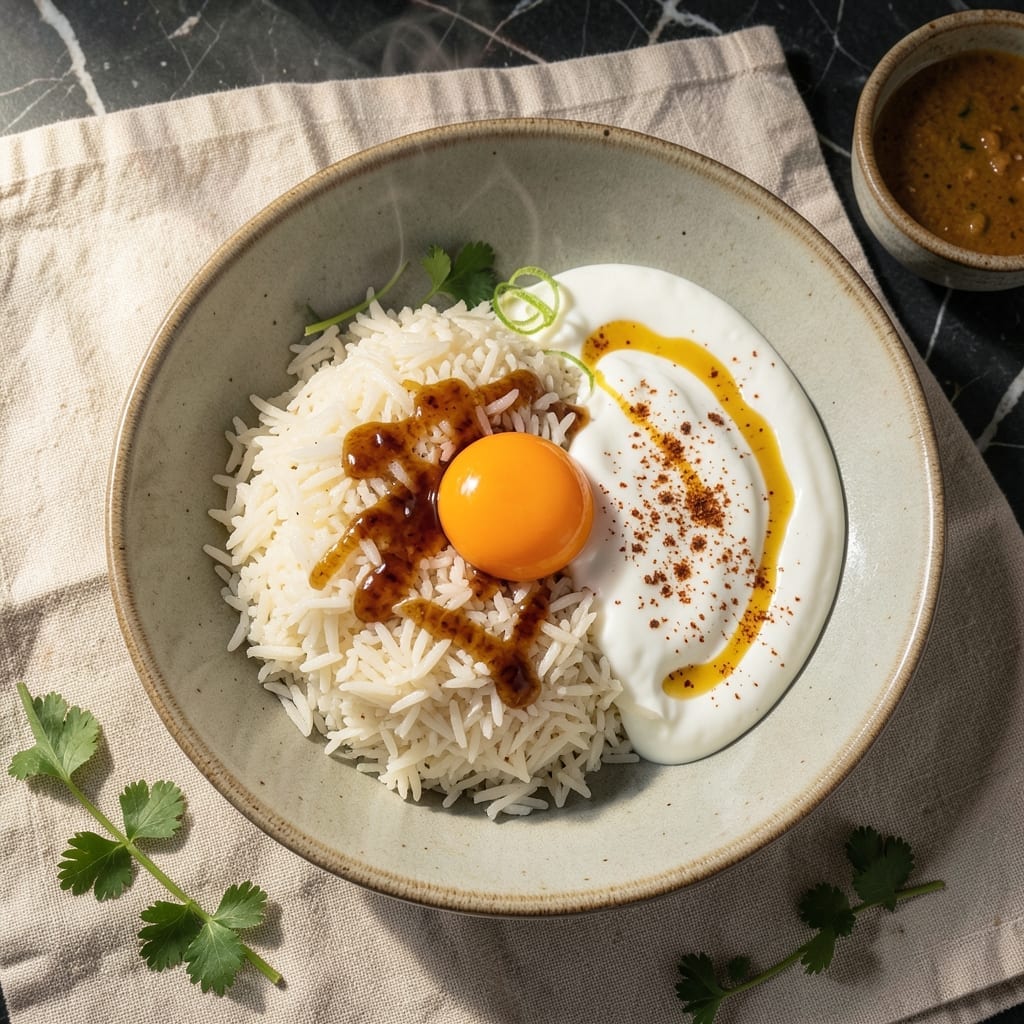
This Persian-inspired dish transforms simple basmati rice into something extraordinary with one clever technique. The yogurt creates a creamy base that complements the golden, crispy tahdig layer perfectly.
I discovered this method while exploring Middle Eastern traditions and was amazed by how the tangy yogurt balances the rich, buttery rice. The contrast between textures makes every bite memorable.
Mastering the tahdig requires patience and precise heat control, but the result is worth the effort. The rice becomes fluffy while the bottom develops that coveted crispness.
Serve this at your next gathering for a dish that impresses with both flavor and presentation.
Ingredients for Iranian Rice Recipe with Yogurt
Transform simple basmati into extraordinary with yogurt and precise technique for perfect tahdig.
| Ingredient | Amount | Notes |
|---|---|---|
| Basmati Rice 🌾 | 2 cups | Rinsed until water runs clear |
| Plain Yogurt 🥛 | 1 ½ cups | Full-fat for creaminess |
| Unsalted Butter 🧈 | ½ cup | Melted for tahdig layer |
| Large Egg Yolks 🥚 | 2 whole | Optional for extra richness |
| Saffron Threads 🌼 | ¼ tsp | Soaked in warm water |
| Ground Cardamom 🌿 | ½ tsp | Freshly ground preferred |
| Sea Salt 🧂 | 2 tsp | Divided for rice and tahdig |
| Granulated Sugar 🍚 | 1 tbsp | Balances yogurt tang |
| Vegetable Oil 🫒 | 2 tbsp | For non-stick tahdig |
| Warm Water 💧 | 4 cups | For soaking rice |
| Ground Cinnamon 🌰 | ¼ tsp | Optional for aromatic depth |
| Rose Water 🌹 | 1 tsp | Optional for floral note |
The basmati rice must be aged at least one year for optimal texture—look for imported Indian or Pakistani brands at Middle Eastern markets or Whole Foods. Saffron quality varies wildly; Persian saffron from reputable spice shops like Penzeys delivers the best color and aroma. The butter should be high-fat European style for the richest tahdig layer.
No saffron? A pinch of turmeric adds color (but not flavor). For vegan adaptation, use coconut yogurt and plant-based butter. The cardamom can be substituted with vanilla bean paste for a different aromatic profile. If skipping egg yolks, add an extra tablespoon of yogurt for binding in the tahdig mixture.
Store uncooked rice in an airtight container for up to 1 year. The yogurt mixture keeps 3 days refrigerated. Cooked rice is best served immediately, but leftovers reheat well with a splash of water in a covered pot for 5 minutes.
Why You’ll Love This Recipe
- I’ll be real: it tastes even better the next day, and the crispy bottom stays perfect when reheated.
- One Pot Wonder: I love that this comes together in a single pot—just basmati rice, yogurt, and a little butter for that golden crust.
- Golden Luxury: The saffron threads steeped in warm water give the rice this rich, floral aroma that feels fancy without the fuss.
- Feeds a Crowd: Honestly, it’s my go-to for gatherings because it stretches easily and everyone loves that creamy yogurt layer.
Step-by-Step Instructions for Iranian Rice with Yogurt
Master the technique behind this dish with precision and patience for optimal results.
Step 1: Prepare and Soak the Rice
Rinse the 2 cups Basmati Rice under cold water until the water runs completely clear. This removes excess starch, preventing the grains from becoming gummy. I soak the rice in the 4 cups Warm Water with 1 tsp of the Sea Salt for 30 minutes.
Drain the rice thoroughly after soaking—any residual water will steam the tahdig layer instead of letting it crisp. The grains should appear plump but not mushy, indicating they’ve absorbed just enough moisture for even cooking.
Step 2: Infuse the Yogurt Mixture
In a bowl, whisk together the 1.5 cups Plain Yogurt, 1 tbsp Granulated Sugar, 0.5 tsp Ground Cardamom, and the remaining 1 tsp Sea Salt. The sugar balances the yogurt’s tang, while the cardamom adds a warm, citrusy depth. For an aromatic twist, stir in the 0.25 tsp Ground Cinnamon and 1 tsp Rose Water.
In a separate small bowl, dissolve the 0.25 tsp Saffron Threads in 2 tbsp of the warm soaking water. Let it steep for 5 minutes to release its vibrant color and floral aroma. Stir this saffron infusion into the yogurt mixture for a luxurious golden hue.
Step 3: Parboil the Rice
Bring a large pot of water to a rolling boil and add the drained rice. Parboil for 5-7 minutes until the grains are slightly tender but still firm in the center—you should see them rise to the surface when done. Drain immediately in a fine-mesh sieve to halt the cooking process.
Rinse the parboiled rice with warm water to wash away any remaining surface starch. This step ensures the grains stay separate and fluffy in the final dish rather than clumping together.
Step 4: Layer and Cook the Tahdig
In a non-stick pot, heat the 2 tbsp Vegetable Oil and 0.5 cup Unsalted Butter over medium heat until the butter melts and begins to foam. Spread 1 cup of the parboiled rice evenly across the bottom of the pot, pressing down gently to form a compact layer for the tahdig crust.
For extra richness, whisk the 2 whole Large Egg Yolks into the yogurt mixture and spread half of it over the rice layer in the pot. Top with the remaining parboiled rice, mounding it slightly in the center. Drizzle the remaining yogurt mixture over the top, allowing it to seep through the grains.
Step 5: Steam to Perfection
Cover the pot with a tight-fitting lid and cook over low heat for 30-40 minutes. The low heat allows the tahdig to crisp gradually without burning, while the steam cooks the rice through. You’ll know it’s ready when you hear a faint crackling sound and smell a nutty, buttery aroma.
Remove from heat and let the rice rest for 5 minutes before inverting onto a serving platter. The tahdig should release cleanly, revealing a golden, crispy crust with creamy, fragrant rice above. Serve immediately to preserve the contrast between the textures.
Pro Tips For Making Iranian Rice Recipe With Yogurt
- Soak the basmati: Give the rice a 30-minute soak in cold water before cooking—I learned this the hard way after ending up with dry, crumbly grains instead of that fluffy, stick-together texture we want.
- Bloom the saffron: Crush the saffron threads with a pinch of sugar and dissolve in 2 tablespoons of hot water for 10 minutes. Sounds weird, but it works: this guarantees even color and flavor throughout the rice.
- Temper the egg yolks: Whisk the yolks into the yogurt slowly, a little at a time, to prevent curdling—my first batch looked like cottage cheese, and I’ve been careful ever since.
- Use room-temp yogurt: Take the yogurt out of the fridge 30 minutes early. Cold yogurt can make the rice gummy, and after burning one pot, I finally figured out this small step actually changes the outcome.
Troubleshooting Perfect Results
Tahdig Not Crispy
If your tahdig lacks that coveted crunch, the heat might be too low. Ensure your burner stays at medium-low for the first 15 minutes, then drop to low for the remainder. I always use a heavy-bottomed pot for even heat distribution. 🔥
Rice Sticks to Pot
This usually means the butter-oil mixture wasn’t hot enough before adding rice. Heat the 0.5 cup Unsalted Butter and 2 tbsp Vegetable Oil until the butter stops foaming. Also, press the rice layer firmly into the pot to create a solid foundation.
Yogurt Curdles
To prevent curdling, ensure your yogurt is at room temperature before mixing. The 1.5 cups Plain Yogurt should be whisked gently with the sugar and spices. If using egg yolks, temper them slightly with a spoonful of warm yogurt mixture first.
Rice Too Dense
Over-soaking or insufficient parboiling can cause this. Soak the 2 cups Basmati Rice for exactly 30 minutes and parboil for only 5-7 minutes. The grains should still have a slight bite when drained.
Uneven Cooking
Mounding the rice in the center helps steam circulate evenly. After layering, use the handle of a wooden spoon to poke 4-5 holes through the rice to the bottom. This allows steam to escape and prevents soggy spots.
Saffron Color Weak
For that signature golden hue, steep the 0.25 tsp Saffron Threads in 2 tbsp warm water for a full 10 minutes. Then mix it thoroughly into the yogurt. I find Persian saffron gives the most vibrant color. ✨
Nutrition Facts
Frequently Asked Questions
Can I use Greek yogurt instead of plain?
Yes, but use full-fat Greek yogurt for best results. Its thickness may require adding 1-2 tbsp water to reach a pourable consistency. The tangier flavor works well with the spices.
Why does the rice need to soak first?
Soaking removes excess starch and allows the grains to absorb water evenly. This prevents clumping and ensures fluffy rice with a crisp tahdig layer. 30 minutes is ideal.
How do I know when the tahdig is done?
Listen for a faint crackling sound and smell a nutty aroma after 30-40 minutes on low heat. The crust should be golden and release easily when inverted.
Can I make this without saffron?
A pinch of turmeric adds color, though it lacks saffron’s flavor. Alternatively, skip it entirely—the cardamom and yogurt still provide great taste. The dish will be less vibrant but equally delicious.

- Jamaican Jollof Rice Recipe: Island Spice in Every Bite - October 18, 2026
- Hamburger Rice Hot Dish Recipe: Midwest Comfort in One Pan - October 18, 2026
- Iranian Cabbage Rice Recipe: Aromatic Herbs and Spiced Layers - October 18, 2026