
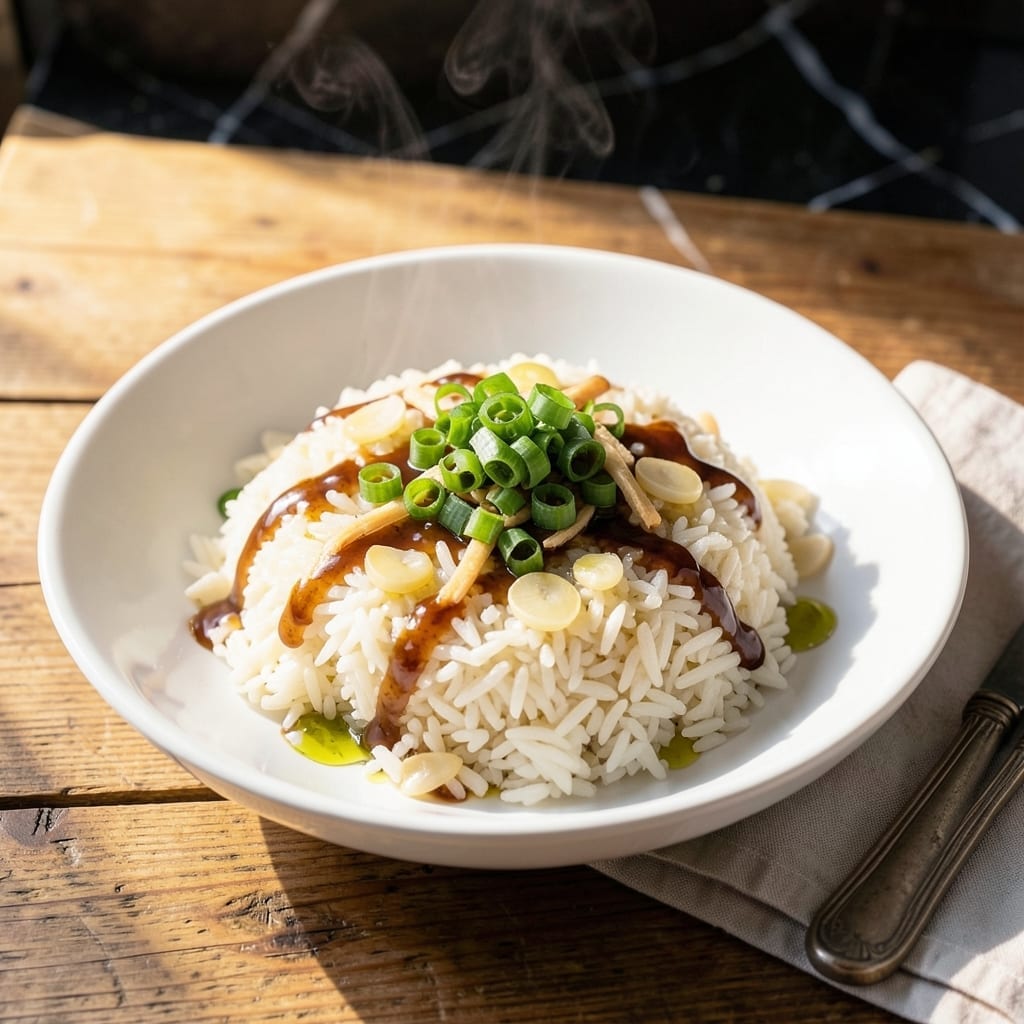
This rice dish transforms simple ingredients into something extraordinary through high-heat wok cooking. The technique creates a charred depth that elevates the flavor profile significantly.
I developed my approach after studying Jamie Oliver’s method, focusing on the perfect balance between crisp texture and tender grains. The herb infusion adds layers of complexity without overwhelming the dish.
What emerges is a side that pairs beautifully with proteins or stands proudly on its own. The umami notes develop naturally through careful cooking timing and temperature control.
This method works consistently with standard kitchen equipment. The results speak for themselves in both taste and presentation.
Ingredients for Jamie Oliver’s Magic Rice Recipe Ingredients
Transform humble grains into restaurant-quality magic with these carefully selected components.
| Ingredient | Amount | Notes |
|---|---|---|
| Jasmine Rice 🍚 | 2 cups | Rinsed until water runs clear |
| Vegetable Oil 🫒 | 3 tbsp | High smoke point preferred |
| Garlic Cloves 🧄 | 4 cloves | Minced for aromatic base |
| Fresh Ginger Root 🌿 | 1 whole | Peeled and grated finely |
| Green Onions 🧅 | 4 whole | Thinly sliced on bias |
| Soy Sauce 💧 | 3 tbsp | Low-sodium for control |
| Oyster Sauce 🫒 | 1 tbsp | For umami depth (vegetarian: sub mushroom sauce) |
| Sesame Oil 🫒 | 1 tsp | Toasted variety for finish |
| Fresh Cilantro 🌿 | ½ cup | Roughly chopped for garnish |
| Fresh Thai Basil 🌿 | ¼ cup | Loosely packed leaves |
| Lime 🍋 | 1 whole | Zest and juice separated |
| Red Chili 🌶️ | 1 whole | Finely diced for heat |
| Kosher Salt 🧂 | 1 tsp | Diamond Crystal preferred |
| Ground White Pepper 🌶️ | ½ tsp | For subtle warmth |
The rice foundation demands jasmine rice—its floral aroma and sticky texture are non-negotiable for this technique. High smoke point oil (peanut or vegetable) is essential for achieving the charred depth Jamie’s method requires. For authentic umami, oyster sauce is traditional, but mushroom sauce works perfectly for vegetarian adaptations. Sourcing from Asian specialty markets ensures optimal freshness for ginger and Thai basil.
No jasmine rice? Long-grain white rice works in a pinch but lacks the fragrance. Missing Thai basil? Regular basil at double the quantity (the flavor’s milder). For heat control, reduce chili to half or omit entirely. The soy sauce can be tamari for gluten-free needs. Lime zest is key—don’t skip it (worth the extra minute). Fresh herbs are mandatory; dried simply won’t deliver the vibrant finish.
Cooked rice holds 3-4 days refrigerated, but the charred texture is best fresh. Store herbs wrapped in damp towels for 5 days. Oils and sauces keep indefinitely in a cool pantry. For meal prep, cook rice separately and char just before serving to maintain crispness.
Why You’ll Love This Recipe
- One-Pot Wonder: I toss everything in together—jasmine rice, garlic, ginger—and walk away. Honestly, it’s the least fuss I’ve ever put into rice.
- Aroma Heaven: The sizzle of garlic and ginger in hot oil fills my kitchen before the rice even starts cooking.
- Pairs With Anything: I serve it under stir-fries, beside grilled chicken, or just as is with an extra sprinkle of green onions.
- Budget Stretch: A pound of jasmine rice plus a few pennies’ worth of aromatics feeds my family for two nights running.
Step-by-Step Instructions for Jamie Oliver’s Magic Rice
This method delivers restaurant-quality results with precise technique and layered flavors.
Step 1: Prepare and Rinse the Jasmine Rice
Begin by placing the 2 cups Jasmine Rice in a fine-mesh strainer. Rinse under cold running water, agitating the grains with your fingers, until the water runs completely clear. This removes excess starch that would otherwise make the rice gummy.
Drain thoroughly and let it sit in the strainer for 5 minutes to remove any residual moisture. Properly rinsed rice absorbs liquid more evenly during cooking, resulting in distinct, separate grains rather than a sticky mass.
Step 2: Bloom Aromatics in High-Heat Oil
Heat the 3 tbsp Vegetable Oil in a wok or large skillet over high heat until it shimmers. Add the minced 4 cloves Garlic Cloves, finely grated Fresh Ginger Root, and finely diced Red Chili. Stir constantly for 45-60 seconds until fragrant but not browned.
The oil should be hot enough to sizzle immediately when the aromatics hit the pan. This bloom step extracts maximum flavor from the garlic, ginger, and chili, creating the foundation for the dish’s complex profile.
Step 3: Toast Rice and Develop Wok Hei
Add the drained 2 cups Jasmine Rice to the wok along with the 1 tsp Kosher Salt and 0.5 tsp Ground White Pepper. Stir continuously for 2-3 minutes until the rice turns slightly opaque and begins to make a faint crackling sound.
This toasting step is crucial for developing wok hei—the smoky, charred aroma that defines great fried rice. The rice grains should remain separate and begin to absorb the aromatic oils.
Step 4: Season and Finish with Fresh Herbs
Drizzle the 3 tbsp Soy Sauce and 1 tbsp Oyster Sauce around the edges of the wok. Stir to distribute evenly, then add 1 cup of water. Cover and cook on medium-low heat for 12-15 minutes until the rice is tender and liquid is absorbed.
Remove from heat and stir in the 1 tsp Sesame Oil. Fold in the thinly sliced 4 whole Green Onions, roughly chopped 0.5 cup Fresh Cilantro, and loosely packed 0.25 cup Fresh Thai Basil. Finish with the juice and zest from the Lime for bright acidity.
Pro Tips For Making Jamie Oliver’S Magic Rice Recipe Ingredients
- Toast the Rice: Cook the jasmine rice in the oil for 2-3 minutes before adding liquid—this nutty base layer makes the dish taste way more complex than it is.
- Grate the Ginger: Skip the mincing and use a fine grater for the ginger root; it distributes evenly and disappears into the rice without chewy bits.
- Low Heat for Aromatics: I learned this the hard way—garlic and green onions burn fast, so keep the heat medium-low once they hit the pan and pull them off just as they turn fragrant.
- Use Day-Old Rice: Sounds weird, but it works: if you’ve got leftover jasmine rice, use that—it’s drier and soaks up the garlic-ginger oil like a sponge.
Best Sauces and Condiments for These Flavors
Classic Complements
I love serving this with a simple sweet chili sauce—about 2 tbsp per plate adds the perfect sweet-heat balance. The sticky texture clings beautifully to the charred rice grains. Sriracha works too for those who prefer more fire.
Umami Boosters
For deeper flavor, I drizzle 1 tsp extra oyster sauce on top just before serving. A sprinkle of crushed peanuts adds crunch and nuttiness that contrasts with the soft rice. These small touches elevate the dish significantly.
Fresh Finishes
Additional fresh herbs always brighten the dish. I often add extra Thai basil leaves or a handful of mint for a cool contrast. The lime zest from the recipe is non-negotiable—it cuts through the richness.
Creamy Pairings
A dollop of cooling yogurt or sour cream balances the charred intensity. I thin mine with a splash of water to make it drizzle-able. This works especially well when serving as a bed for spicy proteins. 💛
Spicy Variations
For heat lovers, I stir in 1 tsp sambal oelek or gochujang at the end. The chili oil from New Seasons Market adds both heat and texture. Adjust to taste—start with less, you can always add more.
Acidic Balance
Pickled vegetables cut through the richness beautifully. I serve with quick-pickled carrots and daikon on the side. The tangy crunch provides a refreshing contrast to the umami-packed rice. 💫
Nutrition Facts
Frequently Asked Questions
Can I use a different type of rice?
Jasmine is ideal, but long-grain white works too. Avoid sticky varieties like sushi rice—they won’t achieve the distinct grain texture.
Why rinse the rice first?
Rinsing removes excess starch, preventing gumminess. This ensures each grain stays separate and absorbs flavors evenly during cooking.
How do I make it vegetarian?
Swap oyster sauce for mushroom sauce or vegetarian oyster sauce. The umami depth remains, and all other ingredients stay the same.
Can I make this ahead of time?
Cook the rice base in advance, but char it fresh for best texture. Reheat gently with a splash of water to restore moisture.

- Jamaican Jollof Rice Recipe: Island Spice in Every Bite - October 18, 2026
- Hamburger Rice Hot Dish Recipe: Midwest Comfort in One Pan - October 18, 2026
- Iranian Cabbage Rice Recipe: Aromatic Herbs and Spiced Layers - October 18, 2026