
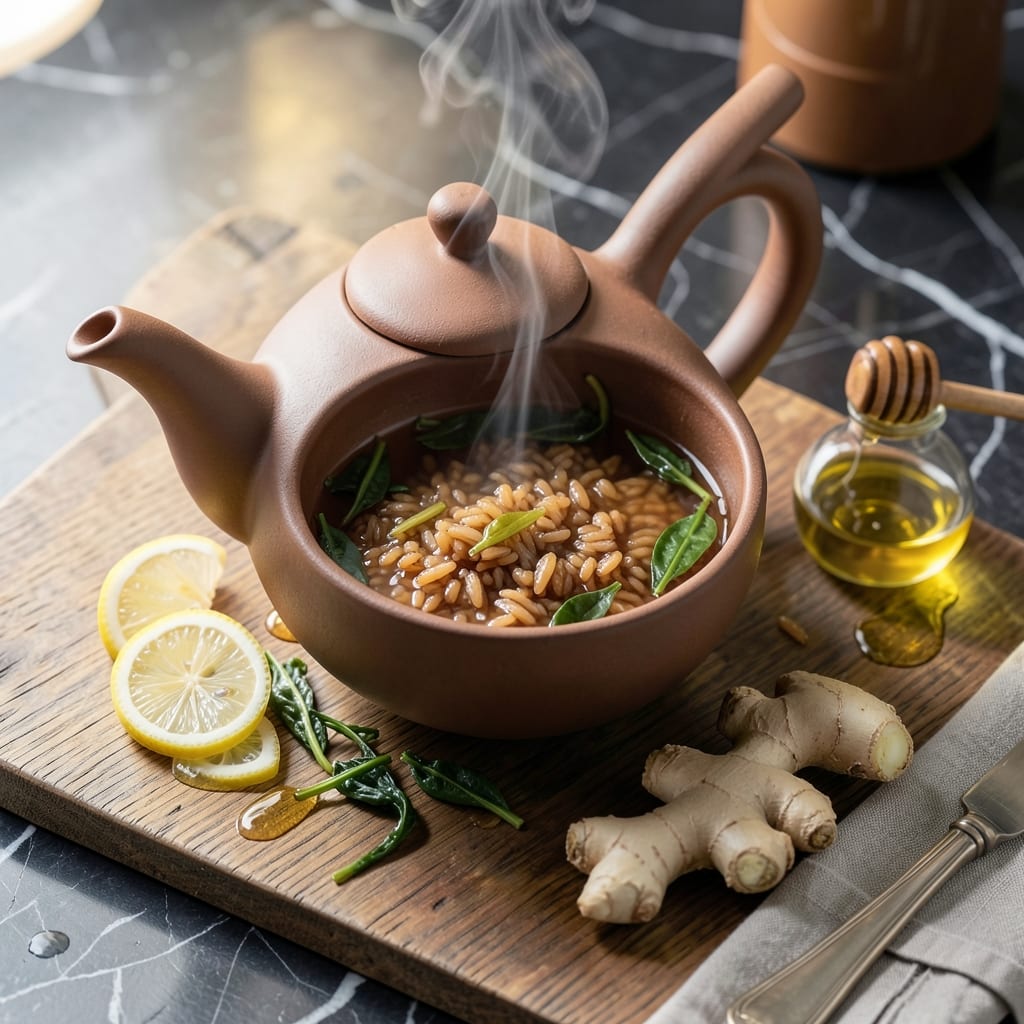
There’s a simple elegance to Japanese rice tea that transforms humble ingredients into something deeply comforting. This traditional drink, made from toasted rice, offers a warm, nutty aroma that fills the kitchen in minutes.
The process is straightforward: toast the rice until golden, then steep it in hot water to release its rich, earthy flavors. The result is a soothing, lightly sweet beverage that’s both nourishing and familiar, perfect for chilly mornings or quiet evenings.
What makes this tea special is its versatility—enjoy it plain, with a touch of honey, or as a base for other infusions. It’s a gentle reminder that the best flavors often come from the simplest sources.
The warmth and subtlety of this drink make it a staple worth mastering. Here’s how to brew it to perfection.
Ingredients for Japanese Rice Tea
Simple ingredients transform into a warm, nutty beverage perfect for any time of day.
| Ingredient | Amount | Notes |
|---|---|---|
| Japanese Short-Grain Rice 🍚 | ½ cup | Uncooked, white or brown |
| Water 💧 | 4 cups | Filtered for best flavor |
| Green Tea Leaves 🍃 | 1 tbsp | Optional, sencha or bancha |
| Honey 🍯 | 1 tbsp | Or agave for vegan option |
| Lemon Slices 🍋 | 2 slices | Thin, for garnish |
| Fresh Ginger 🌿 | 1 whole | 1-inch piece, sliced |
| Cinnamon Stick 🌰 | 1 whole | Optional for warmth |
| Salt 🧂 | 0.125 tsp | Pinch to taste |
The rice is everything here. Japanese short-grain (like Koshihikari or Calrose) gives the best nutty flavor—avoid long-grain or jasmine, which stay too firm. Whole Foods or Asian markets usually have the freshest options. If you only have leftover cooked rice, spread it thin on a baking sheet and toast until deep golden. Works in a pinch.
No green tea leaves? Skip them entirely—the toasted rice alone is delicious. Want more depth? Toast the rice with a cinnamon stick for 2 minutes before steeping. Vegan? Agave or maple syrup instead of honey. The ginger is optional but adds a nice brightness. If using, slice it thin so the flavor infuses quickly without overpowering.
Toasted rice keeps in an airtight container for 1 week. The tea itself is best fresh but can be reheated gently. Don’t boil after steeping—it turns bitter. Leftovers? Chill and use as a base for overnight oats or smoothies.
Why You’ll Love This Recipe
- Five-Minute Prep: I just boil the rice in water, steep the tea, and stir in honey—no fancy steps.
- Sweet & Earthy: The nutty rice pairs with green tea in a way that’s both comforting and refreshing.
- Breakfast or Snack: I sip this warm or iced, and it’s become my afternoon pick-me-up.
- Pantry Staples: Between us, I always have these ingredients on hand, so it’s my go-to when I’m craving something simple yet special.
Step-by-Step Instructions for Japanese Rice Tea
Here’s the method. Straightforward, tested, works every time.
Step 1: Toast the Japanese Short-Grain Rice
Place the 0.5 cup Japanese Short-Grain Rice in a dry skillet over medium heat. Stir frequently for 5-7 minutes until the grains turn golden brown and release a nutty aroma. This step is non-negotiable—it transforms the rice from bland to deeply fragrant.
Watch closely, as rice can burn quickly once it starts browning. You want an even toast, not dark patches. Remove from heat as soon as it reaches the desired color and aroma.
Step 2: Simmer Rice with Water and Aromatics
Transfer the toasted rice to a saucepan and add the 4 cups Water. Add the 1 tbsp Green Tea Leaves, 1 whole Fresh Ginger (sliced), and 1 whole Cinnamon Stick. Bring to a boil over high heat.
Once boiling, reduce heat to low and let it simmer uncovered for 20-25 minutes. The liquid should turn a light amber color, and the flavor will deepen as the rice and tea infuse. Skim off any foam that rises to the surface for a cleaner taste.
Step 3: Sweeten and Season the Tea
After simmering, remove the pan from heat and strain the mixture through a fine-mesh sieve into a clean pot or pitcher. Discard the solids. Return the liquid to the saucepan and stir in the 1 tbsp Honey and 0.125 tsp Salt.
Taste and adjust sweetness if needed—the honey should complement, not overpower. If the flavor seems too strong, add a splash of hot water to mellow it. The salt enhances the other flavors without making it taste salty.
Step 4: Finish and Serve Warm
Reheat the tea gently over low heat for 2-3 minutes if needed, but do not boil. Pour into cups and garnish each serving with 1 slice Lemon Slices. The lemon brightens the nutty, earthy flavors of the tea.
Serve immediately while warm. The tea should have a light, slightly creamy texture with a balanced sweetness and subtle warmth from the ginger and cinnamon. If storing, keep it refrigerated for up to 3 days and reheat gently before serving.
Pro Tips For Making Japanese Rice Tea
- Rinse the Rice: Wash the short-grain rice under cold water until the water runs clear—this removes excess starch so your tea stays light and fragrant, not gluey.
- Steep the Tea: Let the green tea leaves sit in hot water for exactly 2-3 minutes; any longer and it turns bitter, and nobody wants a bitter rice tea.
- Skip the Boil: Never boil the rice in the tea—simmer it gently at 160-180°F to coax out the flavors without turning the grains mushy.
- Add Honey Last: Stir in the honey after the tea has cooled slightly, or the heat will break down its natural sweetness and leave a flat taste.
Make-Ahead Tips for japanese rice tea
Pre-Toast Rice Batches
I always toast extra rice to save time later. Spread 2 cups Japanese Short-Grain Rice on a baking sheet and toast at 350°F for 10-12 minutes, stirring halfway. Cool completely, then store in an airtight container for up to 1 week. 💡
Cold Brew Method
For iced tea, combine ½ cup toasted rice and 4 cups cold water in a pitcher. Add aromatics like ginger or cinnamon, then refrigerate for 8-12 hours. Strain and sweeten with honey to taste before serving over ice.
Concentrate for Quick Serving
Make a strong batch by doubling the rice (1 cup) with the same 4 cups water. Simmer as usual, then strain and store the concentrate in the fridge for up to 5 days. Dilute with hot water 1:1 when ready to serve.
Overnight Infusion
Combine toasted rice, aromatics, and water in a French press before bed. Let it steep overnight at room temperature, then press and heat gently in the morning. This method extracts maximum flavor with minimal effort.
Freezing Toasted Rice
Toasted rice freezes beautifully for up to 3 months. Spread cooled rice on a tray to freeze individually, then transfer to a freezer bag. Use directly from frozen—just add 2 extra minutes to your steeping time. ❄️
Reheating Tips
Gently warm stored tea on the stove over low heat for 3-5 minutes. Avoid microwaving, which can make it bitter. If it tastes flat, add a splash of fresh hot water and a pinch of salt to revive the flavors.
Nutrition Facts
Frequently Asked Questions
What’s the best rice for this tea?
Use Japanese short-grain rice like Koshihikari for the richest, nuttier flavor. Long-grain or jasmine won’t give the same toasted aroma. Brown rice works but needs 2 extra minutes of toasting.
Can I make this without green tea leaves?
The toasted rice alone creates a delicious, nutty brew. Skip the leaves entirely or try adding cinnamon or ginger for extra warmth instead.
How do I fix bitter tea?
Bitterness usually means over-steeping or boiling after toasting. Next time, simmer for 20 minutes max and avoid reheating to a boil. Adding a pinch of salt can balance the flavor.

- Mujadara Rice and Lentils Recipe: Earthy Spiced Lentils With Caramelized Onions - November 1, 2026
- Naija Fried Rice Recipe: Street-Style Spice With Veggie Crunch - November 1, 2026
- Mushy Rice Recipe: Fluffy Grains Transformed in Minutes - November 1, 2026