
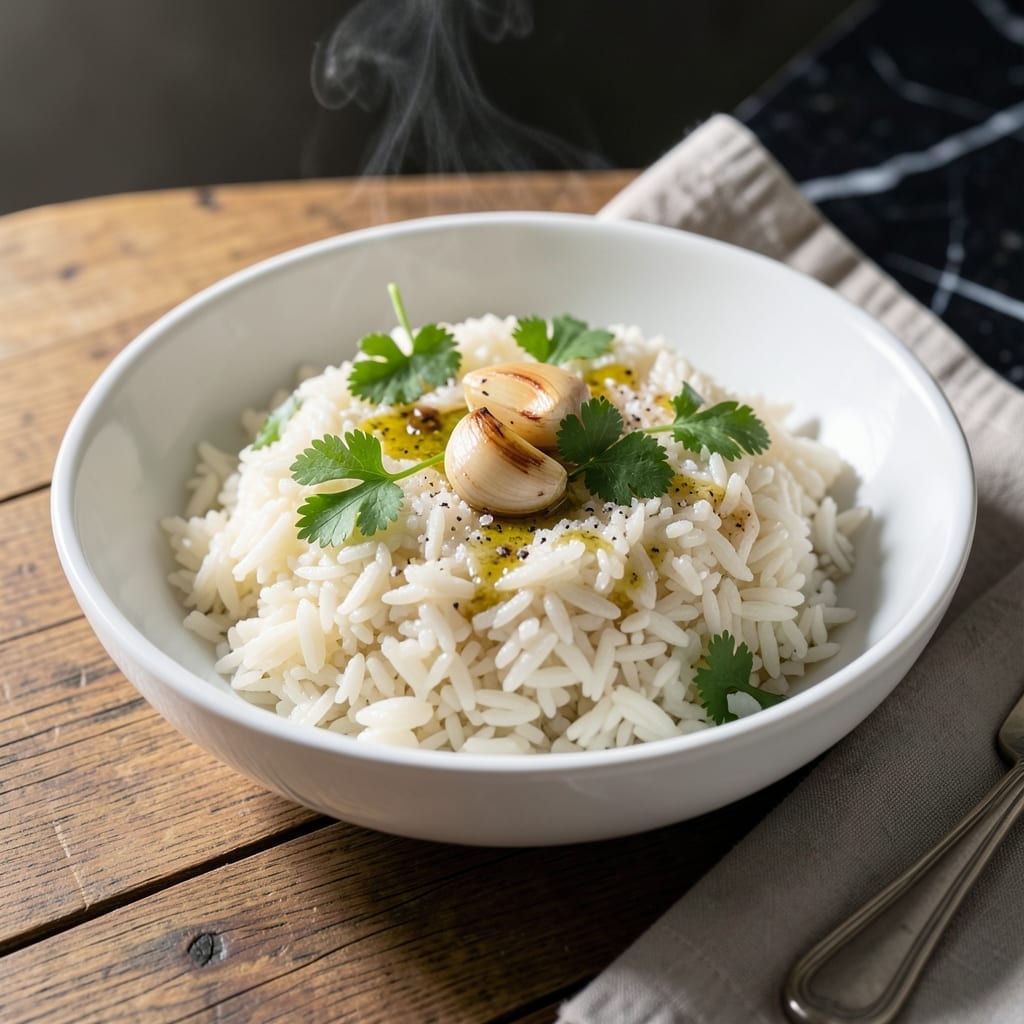
Achieving perfectly fluffy jasmine rice in a rice cooker is simpler than you think. This method delivers consistent results with minimal effort, letting the appliance handle the work while you focus on the rest of your meal.
The key lies in the precise water-to-rice ratio and proper rinsing before cooking. Jasmine rice requires just enough water to absorb fully without turning mushy, resulting in light, separate grains with its signature fragrant aroma.
With this approach, you’ll get restaurant-quality rice every time—no stirring, no monitoring, just set it and forget it. The rice cooker’s controlled heat ensures even cooking without the risk of burning or undercooking.
Ideal for pairing with stir-fries, curries, or grilled proteins, this hands-free method guarantees consistently excellent results with almost no active effort.
Ingredients for Jasmine Rice Recipe Rice Cooker
Nine ingredients for fragrant, separate grains with almost zero effort.
| Ingredient | Amount | Notes |
|---|---|---|
| Jasmine Rice 🌾 | 2 cups | Long grain, rinsed thoroughly |
| Water 💧 | 2 ½ cups | Filtered or cold tap |
| Fine Sea Salt 🧂 | ½ tsp | Diamond Crystal preferred |
| Neutral Cooking Oil 🫒 | 1 tsp | Optional, prevents sticking |
| Garlic Cloves 🧄 | 2 cloves | Minced, optional for aroma |
| Fresh Cilantro 🌿 | ¼ cup | Chopped, for garnish |
| Lime 🍋 | 1 whole | Cut into wedges for serving |
| Scallions 🧅 | 3 whole | Thinly sliced, optional garnish |
| Sesame Oil 🫒 | ½ tsp | Toasted, for drizzling |
| Soy Sauce 🥄 | 1 tbsp | Low-sodium preferred |
The rice itself matters most. Jasmine from Thailand (look for brands like Elephant or Three Ladies) gives that signature floral aroma. Rinsing removes excess starch—do it until the water runs clear (worth the extra minute). I’ve had best results with a 1:1.25 rice-to-water ratio, but some cookers need a touch more. The salt? Diamond Crystal dissolves cleanly without aftertaste.
No jasmine? Basmati at the same ratio works, but the fragrance won’t be the same. Skip the garlic if you’re serving this with bold curries—it can compete with the flavors. Short on cilantro? Parsley adds color without the soap taste some people hate. The sesame oil drizzle is optional but adds that restaurant finish (toasted, not raw).
Uncooked rice keeps 1-2 years in a cool pantry. Cooked rice? 4-5 days in the fridge, 6 months frozen. Pro tip: spread leftovers on a tray to cool before storing—prevents that dreaded mushy texture.
Why You’ll Love This Recipe
- Set and Forget: I just rinse the rice, add water, and press a button—my rice cooker does the rest.
- Garlic Infused: The garlic cloves steep in the cooking water, giving every grain a subtle, savory depth.
- Pairs with Anything: It’s my base for stir-fries, curries, or even just a fried egg on top for a quick meal.
- Budget Stretch: A pound of jasmine rice costs pennies and makes enough for leftovers all week.
Step-by-Step Instructions for Jasmine Rice in a Rice Cooker
Here’s the method I’ve perfected for foolproof, restaurant-quality results every time.
Step 1: Rinse the Rice Thoroughly
Place the 2 cups jasmine rice in a fine-mesh strainer and rinse under cold running water. I agitate the grains with my fingers, swirling them gently, until the water runs completely clear. This removes excess starch, which is the secret to fluffy, separated grains rather than a gummy texture.
Rinsing also prevents the rice from becoming overly sticky during cooking. I repeat this process 3-4 times, draining well after each rinse. Once finished, shake the strainer gently to remove as much water as possible before proceeding to the next step.
Step 2: Combine Rice, Water, and Aromatics in the Cooker
Transfer the rinsed rice to the rice cooker pot. Add the 2.5 cups water, 0.5 tsp fine sea salt, and 1 tsp neutral cooking oil. The oil helps prevent sticking, while the salt enhances the rice’s natural sweetness.
For extra aroma, I mince the 2 cloves garlic cloves and add them to the pot, stirring gently to distribute. The garlic infuses the rice with a subtle, fragrant depth that complements the dish perfectly. Don’t skip this—it elevates the flavor significantly.
Step 3: Cook and Rest for Maximum Fluffiness
Secure the lid on the rice cooker and select the standard white rice setting. Most cookers will automatically switch to “keep warm” once the rice is done, which usually takes 15-20 minutes. Resist the urge to open the lid during cooking—releasing steam can disrupt the process and lead to uneven texture.
Once the cooker switches off, let the rice rest, covered, for 10 minutes. This resting period allows the grains to steam evenly and absorb any remaining moisture, resulting in perfectly tender rice.
Step 4: Fluff, Garnish, and Serve
After resting, open the lid and gently fluff the rice with a fork. This separates the grains and releases excess steam, preventing a dense, compact texture. I always fluff from the bottom up to ensure even distribution of moisture.
For serving, I drizzle the 0.5 tsp sesame oil and 1 tbsp soy sauce over the rice, then garnish with the 0.25 cup fresh cilantro, thinly sliced 3 whole scallions, and lime wedges on the side. The fresh herbs and citrus add a bright, zesty finish that ties the dish together beautifully.
Pro Tips For Making Jasmine Rice Recipe Rice Cooker
- Rinse the Rice: Always rinse jasmine rice until the water runs clear—this removes excess starch and prevents gummy, sticky rice. I learned this the hard way after serving a few clumpy batches.
- Toast the Garlic: Add minced garlic to the oil in the rice cooker bowl and let it sizzle for 30 seconds before adding water—it deepens the flavor without overpowering the rice.
- Use the Right Ratio: Stick to a 1:1.25 rice-to-water ratio (1 cup rice to 1.25 cups water) for perfect tenderness. After burning a few pots, I finally figured out that jasmine rice needs less water than standard white rice.
- Let It Steam: Once the cooker switches to “keep warm,” let the rice sit for 10 minutes before opening the lid. Sounds weird, but it works: the steam finishes the job and fluffs the grains.
Wine and Beer Pairings for This Recipe
Light Beer Pairings
Crisp, clean lagers like Singha or Sapporo complement the floral notes of jasmine rice without overpowering its delicate flavor. The subtle sweetness of the grain pairs beautifully with the beer’s light malt profile.
I find pilsners work particularly well—their slight bitterness balances the rice’s natural sweetness. Serve chilled in a tall glass for the best experience. 🍺
White Wine Selections
A chilled Pinot Grigio with its citrus notes enhances the rice’s aroma. The wine’s acidity cuts through any richness from the sesame oil or soy sauce garnishes.
For something fruitier, try a Riesling—its light sweetness mirrors the rice’s subtle floral undertones. I prefer a dry Riesling from the Mosel region.
Asian-Inspired Options
Sake is a natural pairing, especially a junmai with its clean, slightly nutty profile. The rice-based alcohol shares a natural affinity with jasmine rice.
For non-alcoholic options, lychee sparkling water offers a refreshing contrast with its floral, slightly sweet taste. It’s my go-to for lunch pairings. ✨
Nutrition Facts
Frequently Asked Questions
Why do I need to rinse the rice first?
Rinsing removes excess starch that can make the grains gummy. 3-4 rinses until the water runs clear ensures fluffy, separate results. Skipping this step often leads to sticky rice.
Can I use a different water ratio?
Stick to 1:1.25 rice-to-water for best texture. Some cookers may need a touch more, but avoid exceeding 1:1.5 or the rice may turn mushy. Always measure precisely.
What if my rice is still firm after cooking?
Let it rest 10 minutes covered first. If still underdone, add 2 tbsp water, stir gently, and cook for 5 more minutes. Never lift the lid during cooking.

- Mujadara Rice and Lentils Recipe: Earthy Spiced Lentils With Caramelized Onions - November 1, 2026
- Naija Fried Rice Recipe: Street-Style Spice With Veggie Crunch - November 1, 2026
- Mushy Rice Recipe: Fluffy Grains Transformed in Minutes - November 1, 2026