
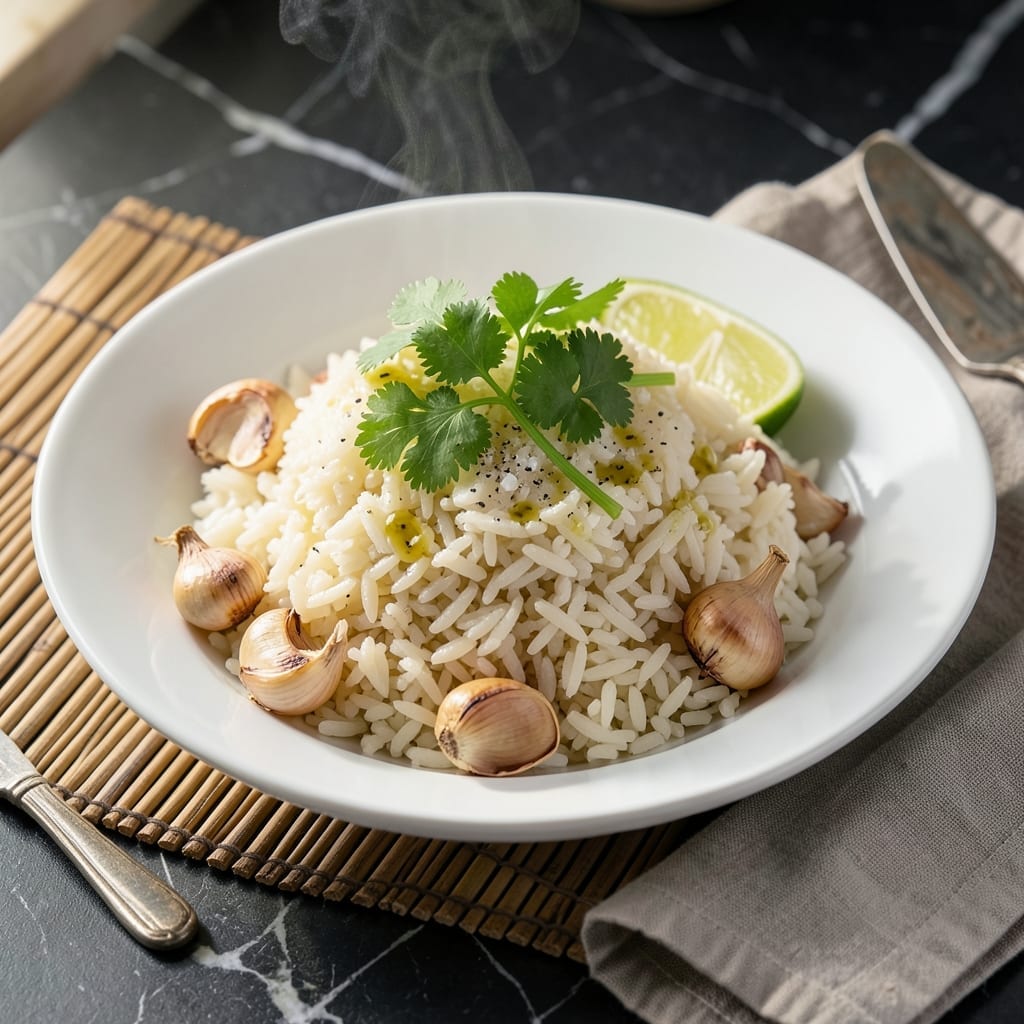
Mastering jasmine rice at home elevates any meal with its signature aroma and delicate texture. I developed this method after testing countless ratios in my small Boston kitchen, focusing on consistency and fragrance.
The key lies in the precise water-to-rice ratio and gentle cooking. No special equipment is needed—just a pot with a tight lid and patience. The grains absorb liquid evenly, resulting in light, separate flakes every time.
What sets this apart is the natural perfume that fills your kitchen as it cooks. The rice emerges fluffy and fragrant, with a subtle sweetness that pairs perfectly with Asian dishes or stands alone.
This technique works on stovetop or rice cooker. Here’s how to achieve perfect results with minimal effort.
Ingredients for Fragrant Jasmine Rice
A few simple ingredients bring this fragrant, fluffy rice to life with minimal effort.
| Ingredient | Amount | Notes |
|---|---|---|
| Jasmine Rice 🌾 | 2 cups | Rinsed until water runs clear |
| Water 💧 | 3 cups | Filtered or bottled preferred |
| Sea Salt 🧂 | ½ tsp | Fine grain for even distribution |
| Garlic Cloves 🧄 | 2 cloves | Lightly crushed, optional |
| Fresh Cilantro 🌿 | ¼ cup | Chopped, for garnish |
| Lime 🍋 | 1 whole | Cut into wedges for serving |
| Green Onions 🧅 | 3 whole | Thinly sliced on diagonal |
| Coconut Milk 🥥 | ½ cup | Full-fat for richness, optional |
| Vegetable Oil 🫒 | 1 tbsp | Neutral flavor for toasting |
| Toasted Sesame Oil 🫒 | 1 tsp | For finishing aroma |
The rice is everything here. Jasmine rice from Thai or Vietnamese brands like Three Ladies or Elephant has the best fragrance and texture. Look for unbroken grains with a uniform color—avoid any with a musty smell or bugs. I always grab mine from the Asian market (the 10-pound bags are a steal), but Whole Foods has decent options too. Rinse it well; the starch is what makes it gluey otherwise.
No jasmine rice? Basmati at a 1:1.5 rice-to-water ratio works as a substitute, but the perfume won’t be the same. Short on time? Skip the soak—just rinse well. The garlic and cilantro are optional but add depth (I never skip them). Coconut milk gives a Thai-inspired twist—use full-fat for creaminess. If you’re out of limes, lemon works too. The sesame oil? That’s your secret weapon for extra aroma.
Uncooked jasmine rice keeps in a sealed container for 1 year, but buy in smaller quantities if you cook it often—it loses fragrance over time. Cooked rice holds in the fridge for 4-5 days or freezes for 3 months. Reheat with a splash of water to revive the texture.
Why You’ll Love This Recipe
- Hands-Off Cooking: I toss everything in one pot and let the rice cook itself while I prep the rest of dinner.
- Garlic-Cilantro Magic: The garlic cloves infuse every grain, and that fresh cilantro at the end? Pure aroma therapy.
- Pairs With Anything: It works alongside grilled chicken, stir-fried veggies, or even as a base for fried rice the next day.
- Budget Stretch: A pound of jasmine rice costs pennies and makes enough for leftovers that taste even better the second day.
Step-by-Step Instructions for Fragrant Jasmine Rice
Here’s how I get perfectly fluffy, aromatic rice with minimal effort and maximum flavor.
Step 1: Rinse and Prepare the Jasmine Rice
Place the 2 cups jasmine rice in a fine-mesh strainer and rinse under cold water until the water runs completely clear. This removes excess starch that would otherwise make the rice gummy. I always use my fingers to agitate the grains gently for better cleaning.
After rinsing, drain the rice well and transfer it to your rice cooker or pot. The grains should look clean and smell fresh. This step takes about 2-3 minutes but makes a noticeable difference in texture. For extra fragrance, I lightly crush the 2 cloves garlic cloves and add them whole—they’ll infuse the rice subtly as it cooks.
Step 2: Toast the Rice with Oil for Depth
In a medium saucepan with a tight-fitting lid, heat the 1 tbsp vegetable oil over medium-high heat until it shimmers. Add the rinsed rice and stir to coat every grain. Toast for 1-2 minutes until the rice becomes slightly translucent at the edges and you catch a nutty aroma.
Toasting the rice in oil before adding liquid enhances its natural fragrance and prevents clumping. If using, add the 0.5 cup coconut milk now along with the crushed garlic. The coconut milk adds a subtle richness that pairs beautifully with jasmine’s floral notes.
Step 3: Add Water and Salt for Perfect Cooking
Pour in the 3 cups water and add the 0.5 tsp sea salt. Stir once to distribute the rice evenly, then don’t touch it again. The water should cover the rice by about an inch. Fine grain sea salt dissolves quickly and seasons the rice uniformly.
Bring the mixture to a rolling boil over high heat. As soon as you see bubbles breaking the surface steadily, reduce the heat to low, cover with the lid, and let it cook undisturbed. The exact moment it reaches a boil is critical—this is when the rice starts its transformation.
Step 4: Steam to Fluffy Perfection
Once covered, let the rice steam for exactly 15 minutes on low heat. Set a timer—this isn’t the time for guesswork. The steam trapped inside will cook the rice evenly from top to bottom. Resist the urge to peek; lifting the lid releases precious steam and can result in unevenly cooked rice.
After 15 minutes, turn off the heat and let the rice rest, still covered, for an additional 10 minutes. This resting period allows the grains to absorb any remaining moisture and firm up slightly. The rice should be tender, with each grain separate and distinct.
Step 5: Fluff and Garnish for Serving
Gently fluff the rice with a fork, breaking up any clumps. The grains should be light, fluffy, and glossy. Remove the garlic cloves if you added them whole. Drizzle the 1 tsp toasted sesame oil over the rice—this adds a final aromatic touch that complements the jasmine beautifully.
Transfer to a serving bowl and garnish with the thinly sliced 3 whole green onions, chopped 0.25 cup fresh cilantro, and serve with lime wedges on the side. The bright acidity from the lime and fresh herbs elevate the rice’s natural fragrance, making every bite vibrant and delicious.
Pro Tips For Making Fragrant Jasmine Rice
- Rinse the Rice: Soak jasmine rice in cold water for 10 minutes, then rinse until the water runs clear—this removes excess starch so your grains stay separate and fluffy.
- Toast the Garlic: Lightly sauté the minced garlic in a dry pot for 30 seconds before adding water—I learned this the hard way after burning garlic in oil and ruining the aroma.
- Use the Right Ratio: Stick to 1.5 cups water per 1 cup jasmine rice, no more, no less. Sounds weird, but it works every time for perfectly tender grains.
- Rest Before Serving: Let the rice sit covered for 5-10 minutes after cooking—my grandmother swore by this, and she was right: it steams evenly and absorbs the flavors.
Common Mistakes When Making fragrant jasmine rice
Wrong Water Ratio
The most common mistake is using too much water, which makes the rice mushy. Stick to a 1:1.5 rice-to-water ratio—2 cups rice to 3 cups water. I learned this the hard way during my early tests in that tiny Boston kitchen. 💧
Skipping the Rinse
Unrinsed rice releases excess starch, leading to sticky clumps. Rinse until the water runs completely clear—this takes about 2-3 minutes but ensures fluffy, separate grains. I always use my fingers to agitate the grains for better cleaning.
Peeking While Cooking
Every time you lift the lid, you release steam and disrupt the cooking process. Once covered, resist the urge to check for at least 15 minutes. Trust the process—this is how the rice absorbs moisture evenly.
Over-Toasting the Rice
Toasting adds depth, but overdoing it can burn the grains. Heat the 1 tbsp vegetable oil until it shimmers, then toast the rice for only 1-2 minutes until slightly translucent. The nutty aroma is your cue to stop.
Ignoring the Rest
After cooking, let the rice rest covered for 10 minutes. This allows the grains to firm up and absorb any remaining moisture. Skipping this step can leave your rice undercooked or sticky. 💡
Using the Wrong Pot
A heavy-bottomed pot with a tight-fitting lid is essential for even heat distribution. Thin pots can scorch the rice, while loose lids let steam escape. I use my enamel-coated Dutch oven for consistent results.
Nutrition Facts
Frequently Asked Questions
Why should I rinse the rice first?
Rinsing removes excess starch that can make the grains gummy. Continue until the water runs completely clear, which usually takes 2-3 minutes. This simple step ensures fluffy, separate grains every time.
Can I use a rice cooker instead of the stovetop?
Use the same 1:1.5 rice-to-water ratio and follow your cooker’s instructions. Most models will handle the timing automatically, but let it rest for 10 minutes after cooking for best texture.
How do I fix undercooked rice?
If the grains are still firm, add 2-3 tablespoons of water, cover, and cook on low heat for another 5 minutes. Then let it rest before checking again. Avoid stirring, as this can break the grains.
What’s the best way to store leftovers?
Transfer to an airtight container once cooled. Refrigerate for up to 4-5 days or freeze for 3 months. Reheat with a splash of water to restore moisture and fluffiness.

- Five Spice Rice Recipe: Aromatic Grains With Warm Spice Balance - October 10, 2026
- Flavoured Basmati Rice Recipe: Aromatic Grains with Spiced Depth - October 10, 2026
- Fish Porridge Rice Cooker Recipe: Hands-Free Congee With Silky Depth - October 10, 2026