
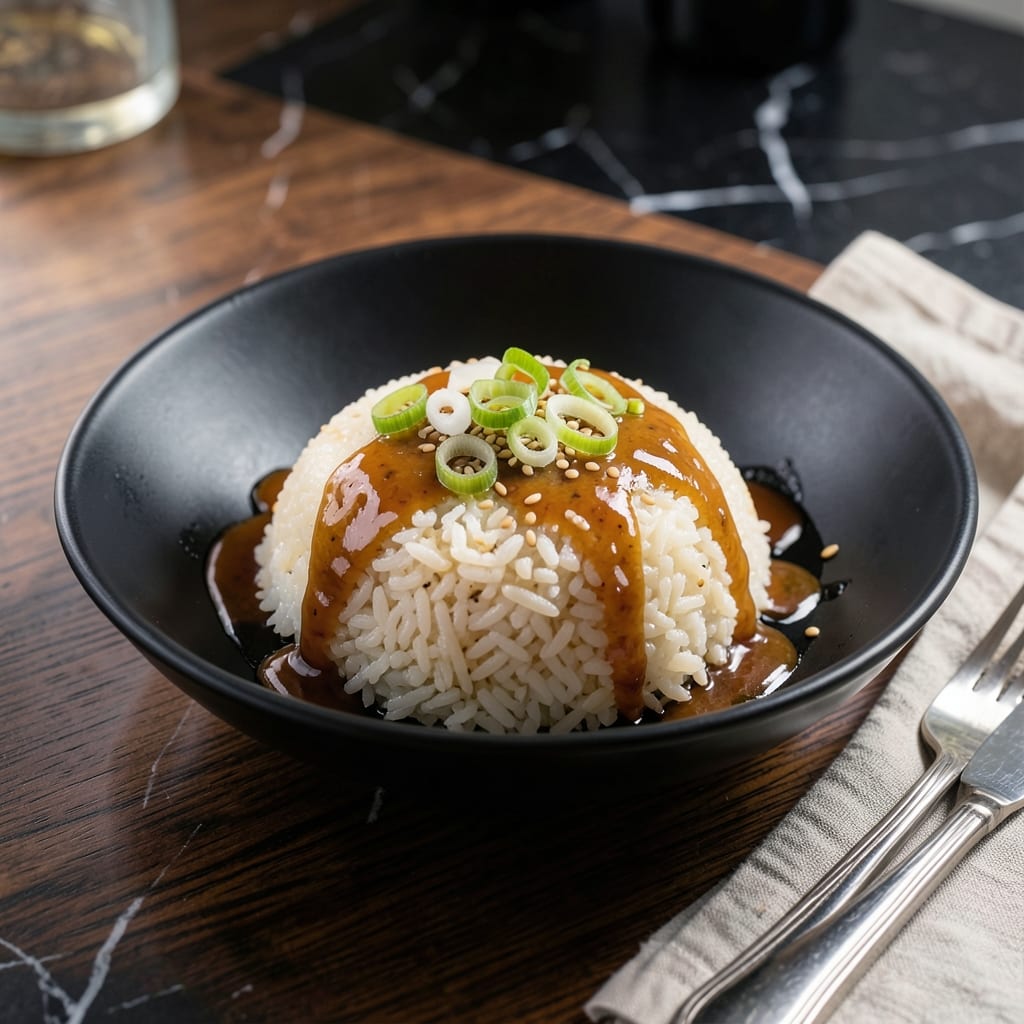
This Japanese-inspired rice dish transforms simple ingredients into a nutty, umami-packed side that elevates any meal. I developed this method to bring restaurant-quality depth to home cooking without complicated techniques.
The secret lies in toasting the rice before cooking, which enhances its natural flavors and creates that signature aromatic quality. A small amount of dashi and soy sauce adds layers of savory complexity with minimal effort.
What emerges is perfectly cooked rice with distinct grains, a subtle sheen, and a depth of flavor that pairs beautifully with proteins or vegetables. The technique ensures consistent results every time, even for beginners.
Serve this as a base for stir-fries or alongside grilled meats to let its refined simplicity shine. The process takes about 30 minutes from start to finish.
Ingredients for Kaizen Rice
Pantry staples meet Japanese precision for restaurant-quality depth at home.
| Ingredient | Amount | Notes |
|---|---|---|
| Japonica Short-Grain Rice 🍚 | 2 cups | Rinsed until water runs clear |
| Dashi Stock 🍜 | 2 ½ cups | Japanese-style preferred |
| Soy Sauce 🫒 | 2 tbsp | Low-sodium for balance |
| Sake 🍶 | 1 tbsp | Dry variety recommended |
| Mirin 🍶 | 1 tbsp | Sweet cooking rice wine |
| Neutral Oil 🫒 | 1 tbsp | For toasting rice grains |
| Kombu Sheet 🌿 | 1 piece | 2-inch square for dashi |
| Dried Shiitake Mushrooms 🍄 | 2 pieces | For enhanced umami depth |
| Kosher Salt 🧂 | ½ tsp | Diamond Crystal preferred |
| Sugar 🥄 | ½ tsp | Balances savory notes |
| Sesame Seeds 🌰 | 1 tbsp | Toasted for garnish |
| Scallions 🧅 | 3 whole | Thinly sliced for serving |
The rice selection is critical here. Japonica short-grain (sushi rice works perfectly) delivers the signature sticky yet distinct grains. Nishiki or Koshihikari brands are reliable options at most Asian markets or well-stocked supermarkets. For dashi, instant dashi granules from Kikkoman or Ajinomoto work in a pinch, but kombu-based dashi offers cleaner flavor. Always rinse the rice thoroughly—this removes excess starch for better texture.
No sake? Dry white wine at equal volume works, though the flavor profile shifts slightly. Mirin can be replaced with 1 tbsp sugar plus 1 tbsp water, though the complexity suffers. For vegetarian dashi, kombu alone (simmered 10 minutes below boil) provides excellent umami. The shiitake mushrooms can be omitted, but they add remarkable depth—dried porcini offer a similar earthy quality if that’s what you have.
Store uncooked rice in an airtight container in a cool, dark place for up to 6 months. Once cooked, it keeps 3-4 days refrigerated. The toasting step intensifies flavor, so don’t skip it—even if you’re short on time. Reheat with a splash of water to restore moisture.
Why You’ll Love This Recipe
- One Pot Wonder: I just dump everything in the rice cooker—Japonica rice, dashi, a splash of sake and mirin—then walk away.
- Umami Bomb: The dashi and soy sauce combo hits that deep, savory note I crave in every bite.
- Feeds a Crowd: I make a big batch on Sunday and we’re set for lunches all week.
- Budget Stretcher: Honestly, a pound of short-grain rice and a few pantry staples feed my family for days.
Step-by-Step Instructions for Japanese-Inspired Rice with Umami Depth
Master the technique for perfectly balanced rice with nutty aroma and rich flavor layers.
Step 1: Prepare the Rice and Infuse the Cooking Liquid
Rinse the 2 cups Japonica Short-Grain Rice under cold water until the water runs completely clear. This removes excess starch and prevents gummy texture. Drain thoroughly in a fine-mesh sieve.
In a saucepan, combine the 2.5 cups Dashi Stock with the 1 piece Kombu Sheet and 2 pieces Dried Shiitake Mushrooms. Heat over medium-low until small bubbles form at the edges—about 5 minutes. The kombu should never boil, as this makes it bitter. Remove from heat and let steep for 15 minutes to extract maximum umami.
Step 2: Toast the Rice for Nutty Depth
In a heavy pot with a tight-fitting lid, heat the 1 tbsp Neutral Oil over medium heat. Add the drained rice and stir constantly for 2-3 minutes until the grains appear slightly translucent at the edges and emit a toasty aroma. This step enhances the rice’s natural nuttiness.
Watch carefully—the rice should never brown, only develop a subtle sheen. The grains will begin to make a faint crackling sound when ready. Immediately add the strained dashi liquid (discard the kombu and mushrooms) to halt the toasting process.
Step 3: Season and Cook with Precision
Stir in the 2 tbsp Soy Sauce, 1 tbsp Sake, 1 tbsp Mirin, 0.5 tsp Kosher Salt, and 0.5 tsp Sugar until fully dissolved. Bring to a boil over medium-high heat, then reduce to low, cover, and simmer for 15 minutes.
Resist the urge to lift the lid during cooking—steam is crucial for even texture. After 15 minutes, turn off the heat and let the rice steam, covered, for an additional 10 minutes. The liquid should be completely absorbed with no crunchy bits at the bottom.
Step 4: Rest and Garnish for Service
Remove the lid and let the rice sit for 5 minutes to allow any residual moisture to evaporate. Gently fold the rice from top to bottom with a rice paddle to distribute the seasoning evenly and break up any clumps.
Transfer to a serving bowl and sprinkle with the 1 tbsp Sesame Seeds. Thinly slice the 3 whole Scallions on a diagonal and scatter them over the top. The rice should have a glossy sheen, distinct yet tender grains, and a complex savory-sweet aroma that invites immediate serving.
Pro Tips For Making Kaizen Rice
- Rinse the rice: Wash the Japonica rice in 3-4 changes of cold water until it runs nearly clear—this removes excess starch so your kaizen rice stays fluffy, not gummy.
- Use real dashi: Skip the instant granules and use homemade or high-quality kombu and bonito dashi; the depth of flavor actually changes the outcome.
- Don’t overcook: After adding the dashi, soy, sake, and mirin, simmer covered for exactly 12 minutes on low, then let it steam off-heat for 10—any longer and it turns mushy.
- Toast the rice first: Before adding liquids, lightly toast the drained rice in the pot for 2 minutes—sounds weird, but it works to deepen the nutty flavor.
Pro Cooking Tips for This Dish
Rice Selection Matters
I always use Nishiki or Koshihikari short-grain rice for this dish—their starch content creates that perfect sticky yet distinct texture. Rinse until the water runs completely clear to remove excess starch that could make your rice gummy. 💡
Toast for Maximum Flavor
Toasting the rice in neutral oil for 2-3 minutes over medium heat develops its natural nuttiness. Watch for that subtle sheen and toasty aroma—this is when you know it’s ready for the liquid.
Dashi Infusion Technique
Heat your dashi stock with kombu and shiitake over medium-low until you see small bubbles. Never let it boil, or the kombu will turn bitter. Steep for 15 minutes off heat to extract maximum umami depth.
Precision Cooking
Once you add the strained dashi, bring to a boil, then immediately reduce to low heat, cover, and cook undisturbed for 15 minutes. Resist peeking—the steam trapped inside is what makes the rice cook evenly.
Resting is Key
After cooking, turn off the heat and let it steam covered for 10 minutes. Then let it rest uncovered for 5 minutes before fluffing. This ensures every grain absorbs the flavors perfectly. ✨
Garnish Like a Pro
Just before serving, sprinkle with toasted sesame seeds and thinly sliced scallions. This adds freshness and visual appeal that makes the dish look as good as it tastes.
Nutrition Facts
Frequently Asked Questions
Can I use a rice cooker for this?
Yes! Skip the toasting step and combine all ingredients directly in the rice cooker. Use the standard 2:1 liquid-to-rice ratio and cook normally. The flavor will be slightly milder without toasting.
Why do I need to rinse the rice so thoroughly?
Rinsing removes excess starch that would make the rice gummy. Stop when the water runs completely clear—usually 4-5 rinses. This ensures distinct, fluffy grains.
Can I make this without dashi?
Use chicken or vegetable broth as a substitute. Add an extra 1 tsp soy sauce to compensate for the missing umami. The depth won’t be identical but still delicious.
How do I prevent the rice from sticking?
Use a heavy pot with a tight lid and never lift it during cooking. Let it steam covered for the full 10 minutes after turning off the heat.

- Mujadara Rice and Lentils Recipe: Earthy Spiced Lentils With Caramelized Onions - November 1, 2026
- Naija Fried Rice Recipe: Street-Style Spice With Veggie Crunch - November 1, 2026
- Mushy Rice Recipe: Fluffy Grains Transformed in Minutes - November 1, 2026