
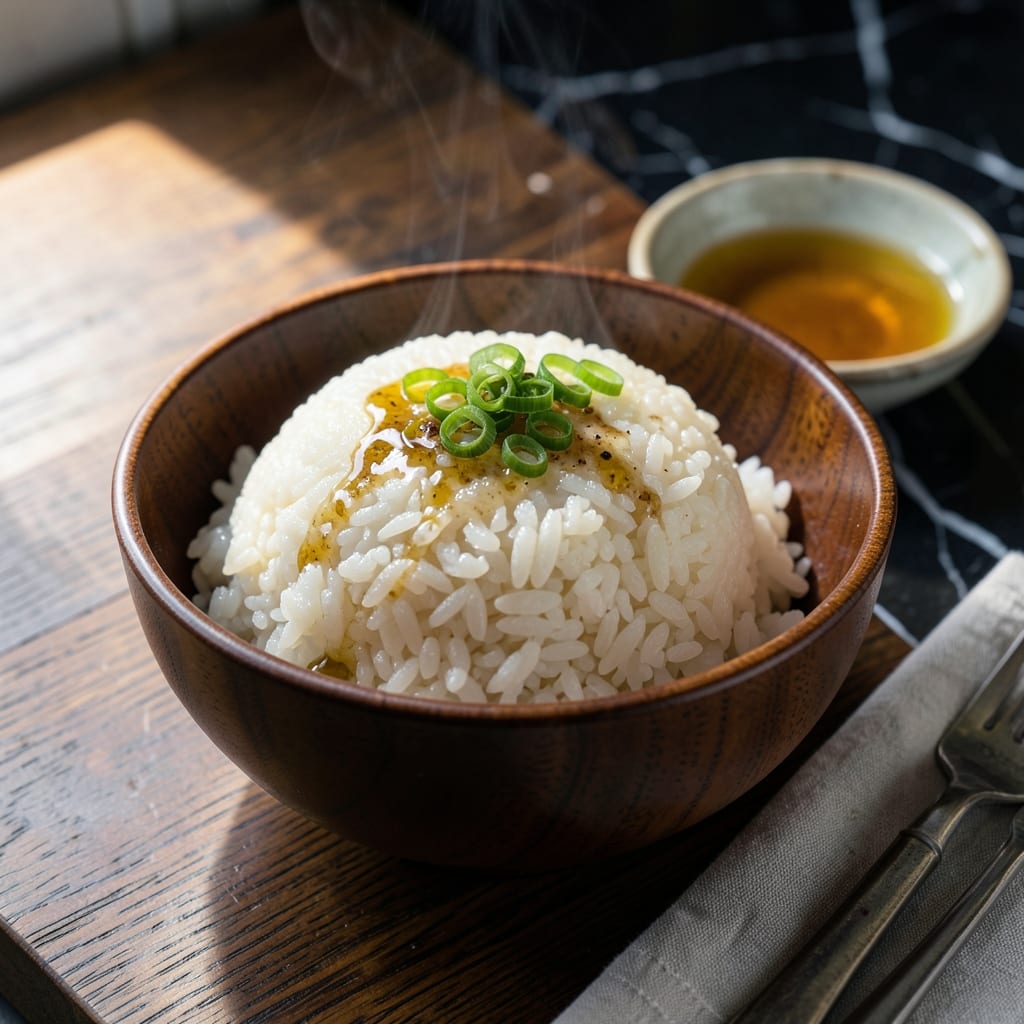
Mastering Japanese short grain rice transforms home cooking with its signature sticky texture and subtle sweetness. This versatile grain forms the foundation of countless dishes, from delicate sushi rolls to comforting onigiri.
The secret lies in the precise water ratio and proper soaking time before cooking. Whether using a rice cooker or stovetop method, these small details make all the difference in achieving that perfect balance of moisture and bite.
Once cooked, the rice clings together beautifully, making it ideal for shaping or serving as a bed for other flavors. Its natural sweetness enhances any dish it accompanies, from simple meals to elaborate feasts.
The process takes patience, but the results are worth every minute. Follow these steps for authentic Japanese rice every time.
Ingredients for Japanese Short Grain Rice
These precisely measured ingredients create authentic sticky rice every time for sushi or bowls.
| Ingredient | Amount | Notes |
|---|---|---|
| Japanese Short Grain Rice 🍚 | 2 cups | Rinsed until water runs clear |
| Water 💧 | 2 ½ cups | Filtered for best results |
| Rice Vinegar 🍶 | 3 tbsp | Unseasoned variety required |
| Granulated Sugar 🍚 | 1 tbsp | Dissolved in vinegar mixture |
| Sea Salt 🧂 | 1 tsp | Fine grain preferred |
| Sake 🍶 | 1 tbsp | Optional for depth of flavor |
| Mirin 🍶 | 1 tbsp | Optional sweet rice wine |
| Kombu Strip 🌿 | 1 piece | 2-inch, for cooking water |
| Dashi Powder 🌿 | ½ tsp | Vegan dashi substitute |
| Sesame Seeds 🌰 | 1 tbsp | Toasted, for garnish |
| Nori Sheet 🌿 | 1 sheet | Cut into strips for serving |
The rice is non-negotiable—Koshihikari or Nishiki brands deliver that signature stickiness and sweetness. Asian markets carry these reliably, but Whole Foods often stocks them too. Look for bags labeled ‘short grain’ or ‘sushi rice.’ Avoid jasmine or basmati; their long grains won’t cling properly. For the vinegar, Mitsukan or Marukan are standard (the unseasoned versions, not the sweetened sushi vinegar).
No rice vinegar? Apple cider vinegar at half the amount works, though the flavor profile shifts slightly. Sake and mirin can be skipped, but they add authentic depth—dry white wine and a pinch of sugar make a decent stand-in. For kombu, dried shiitake mushroom adds similar umami. The dashi powder must be vegan—check labels for fish extracts (many contain bonito).
Uncooked rice keeps in a sealed container for 1-2 years in a cool, dark place. Cooked rice stays fresh for 3-4 days refrigerated. For sushi, use within 24 hours for best texture. Toasted sesame seeds and nori add crunch and color—store them separately until serving.
Why You’ll Love This Recipe
- Set It and Forget: I just rinse the rice, add water, and let the rice cooker do the work—no stirring, no fuss.
- Sweet-Tangy Bite: The rice vinegar, sugar, and salt mix gives it that classic sushi-rice flavor I crave every time.
- Pairs With Anything: Honestly, it’s my base for sushi rolls, grain bowls, or even a quick fried rice the next day.
- Budget Stretch: A single bag of short grain rice makes multiple meals, and the seasonings cost pennies per serving.
Step-by-Step Instructions for Japanese Short Grain Rice
Master the technique for perfectly sticky, sweet rice every time with this precise method.
Step 1: Rinse and Prepare the Japanese Short Grain Rice
Place the 2 cups Japanese Short Grain Rice in a fine-mesh strainer and rinse under cold running water. Use your fingers to gently agitate the grains, washing away excess starch. Continue rinsing until the water runs completely clear—this step is essential for achieving the ideal sticky yet distinct grain texture.
Once rinsed, drain thoroughly and transfer to a medium bowl. Let it soak in 2.5 cups Water along with the 1 piece Kombu Strip for 30 minutes. The kombu infuses subtle umami depth into the grains during cooking. Remove and discard the kombu before cooking.
Step 2: Cook the Rice to Perfect Tenderness
After soaking, transfer the rice and water to a heavy-bottomed pot with a tight-fitting lid. Add the 0.5 tsp Dashi Powder and stir to dissolve. Cover and bring to a boil over medium-high heat—you’ll see steam escaping and hear a gentle hissing.
Once boiling, immediately reduce heat to low and simmer for 15 minutes. Do not lift the lid during this time; the trapped steam ensures even cooking. After 15 minutes, turn off the heat and let the rice steam, covered, for an additional 10 minutes. The grains should be tender with no chalky center.
Step 3: Prepare the Seasoned Vinegar Mixture
While the rice cooks, combine the 3 tbsp Rice Vinegar, 1 tbsp Granulated Sugar, and 1 tsp Sea Salt in a small saucepan. Warm over low heat, stirring just until the sugar and salt dissolve completely. Remove from heat and stir in the 1 tbsp Sake and 1 tbsp Mirin.
This seasoning, known as sushi-zu, adds the signature sweet-tangy flavor that defines properly prepared Japanese short grain rice. Allow the mixture to cool slightly before using—hot vinegar can make the rice mushy.
Step 4: Fold and Finish the Rice
Transfer the cooked rice to a wide, shallow bowl (preferably wooden). Gently fold in the seasoned vinegar mixture using a cutting motion with a rice paddle or silicone spatula. Be careful not to mash the grains—you want to coat each one evenly while maintaining their integrity.
Fan the rice gently with a handheld fan or piece of cardboard as you fold. This cools the rice quickly and gives it a beautiful glossy finish. The rice is ready when it reaches body temperature and each grain glistens slightly.
Step 5: Garnish and Serve
Sprinkle the 1 tbsp Sesame Seeds over the rice and fold in lightly. For serving, cut the 1 sheet Nori Sheet into thin strips using scissors. Arrange the strips decoratively over the rice or use as a garnish for individual portions.
Serve immediately while the rice is still warm and at its stickiest. The texture should be tender yet firm, with a subtle sweetness that complements both savory and delicate flavors in any dish.
Pro Tips For Making Japanese Short Grain Rice
- Soak the Rice: I learned this the hard way—rinse the rice until the water runs clear, then soak it for 20-30 minutes before cooking. It makes a real difference in texture, giving you that perfect sticky yet fluffy bite.
- Use the Right Ratio: For Japanese short grain rice, the water-to-rice ratio is crucial: 1:1.1 (rice to water). I used to eyeball it and ended up with mushy or dry rice more times than I’d like to admit.
- Rest After Cooking: After the rice is done, let it sit covered for 10 minutes—yes, even if you’re impatient like me. This lets the steam redistribute and the grains firm up just enough.
- Warm the Vinegar: When mixing rice vinegar, sugar, and salt for seasoning, warm the vinegar slightly first. Sounds weird, but it helps the sugar and salt dissolve faster and more evenly.
Health Benefits of This Recipe
Digestive Benefits
This rice is naturally easy to digest, making it a gentle choice for sensitive stomachs. Its low fiber content helps prevent bloating, while the resistant starch formed during cooling acts as a prebiotic, feeding your gut’s beneficial bacteria. I notice it sits lighter than long-grain varieties. 💪
Energy Boost
The complex carbohydrates in short grain rice provide steady energy without spiking blood sugar. A 1-cup serving contains about 200 calories and 4.5g of protein, making it a satisfying base for active lifestyles. It’s my go-to for sustained fuel before long workdays.
Essential Minerals
Each serving delivers 10% of your daily manganese needs, which supports bone health and metabolism. It also provides magnesium and selenium—minerals that act as antioxidants and help regulate thyroid function. These nutrients are often overlooked in Western diets.
Low Allergen Risk
Naturally gluten-free and hypoallergenic, Japanese short grain rice rarely causes adverse reactions. This makes it safe for most dietary restrictions, including celiac disease. I’ve served it to guests with various food sensitivities without worry.
Heart Health
With virtually no saturated fat or cholesterol, this rice supports cardiovascular health. Its low sodium content (just 5mg per serving) makes it ideal for those monitoring blood pressure. The small amount of healthy fats comes from the natural oils in the grain. 💛
Blood Sugar Management
While still a carbohydrate, the medium glycemic index means it raises blood sugar more gradually than white bread or pasta. Pairing it with protein and vegetables creates balanced meals that help maintain stable glucose levels throughout the day.
Nutrition Facts
Frequently Asked Questions
Why do I need to rinse the rice before cooking?
Rinsing removes excess starch that can make the rice gummy. Use cold water and rub the grains gently until the water runs clear for best texture. This step takes about 2-3 minutes but is crucial for perfect results.
Can I use a rice cooker instead of the stovetop?
Add the soaked rice, water, and kombu to your cooker. The 1:1.25 rice-to-water ratio remains the same. Let it steam for 10 minutes after cooking completes for ideal stickiness.
What if my rice turns out too dry?
This usually means too much water evaporated. Next time, check your pot lid fits tightly. For a quick fix, sprinkle 1-2 tablespoons of hot water over the rice and let it steam, covered, for 5 minutes.
How long can I store cooked rice?
Keep it in an airtight container in the fridge for up to 4 days. For sushi, use within 24 hours for best texture. Reheat with a splash of water to restore moisture.

- Mujadara Rice and Lentils Recipe: Earthy Spiced Lentils With Caramelized Onions - November 1, 2026
- Naija Fried Rice Recipe: Street-Style Spice With Veggie Crunch - November 1, 2026
- Mushy Rice Recipe: Fluffy Grains Transformed in Minutes - November 1, 2026