
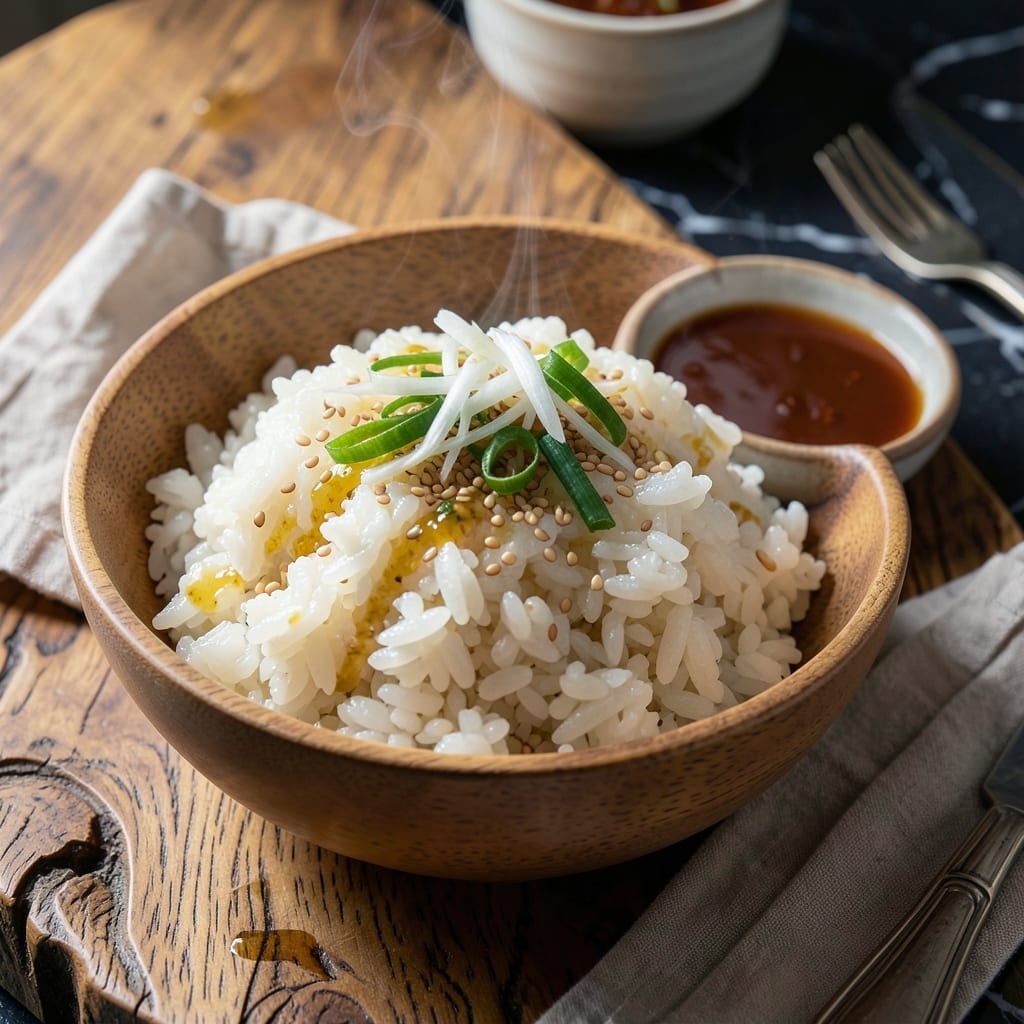
There’s something deeply satisfying about perfectly cooked Korean glutinous rice—its chewy texture and subtle nutty flavor make it a standout side dish. This recipe stays true to traditional methods, ensuring authentic results every time.
The secret lies in the soaking and steaming process, which transforms the grains into tender, sticky morsels. A simple technique with minimal ingredients yields rice that’s both comforting and versatile.
Whether served alongside grilled meats, soups, or as part of a Korean spread, this rice elevates any meal. Its natural sweetness and soft bite make it a crowd-pleaser.
Ready in under an hour, this dish proves that traditional doesn’t have to mean complicated. Here’s how to achieve the perfect consistency.
Ingredients for Korean Glutinous Rice
Minimal ingredients yield authentic Korean glutinous rice with perfect texture and flavor.
| Ingredient | Amount | Notes |
|---|---|---|
| Korean Glutinous Rice 🍚 | 2 cups | Also called sweet rice or short-grain rice |
| Water 💧 | 2 ½ cups | For soaking and cooking |
| Sea Salt 🧂 | ½ tsp | Fine grain preferred for even distribution |
| Sesame Oil 🫒 | 1 tsp | Toasted for authentic aroma |
| Sesame Seeds 🌾 | 1 tsp | Toasted for garnish |
The rice is everything here. Korean glutinous rice (chapssal) is non-negotiable—regular short-grain won’t give you that signature chew. Look for it at H Mart or Asian grocery stores. Brands like CJ or Nongshim are reliable. Check the label: it should say ‘sweet rice’ or ‘glutinous rice.’ Avoid jasmine or long-grain varieties entirely.
No sesame oil? Neutral oil with a drop of toasted sesame can work in a pinch. Salt can be adjusted to taste, but don’t skip it—the rice needs that balance. The sesame seeds are optional but add that classic finish. If you’re making a big batch, scale the water precisely: 1.25 cups water per 1 cup rice is the magic ratio.
Uncooked rice keeps indefinitely in a cool, dry place. Once cooked, it’s best fresh but will hold in the fridge for 2-3 days. Reheat with a splash of water and a damp paper towel to restore moisture. For longer storage, freeze cooked rice in portions for up to 1 month.
Why You’ll Love This Recipe
- Five Ingredient Magic: So simple—just rice, water, salt, sesame oil, and seeds. No fuss, no shopping for obscure items.
- Sticky, Nutty Perfection: That sesame oil and toasted seeds give it a deep, nutty aroma that makes plain rice feel like a treat.
- Feeds the Crowd: I make a big batch for potlucks and it disappears first. Always.
- Keeps Like a Dream: Leftovers stay soft and sticky in the fridge for days. Honestly, it tastes better the next day.
Step-by-Step Instructions for Korean Glutinous Rice
Follow this precise method to achieve perfectly chewy rice with authentic texture and flavor.
Step 1: Rinse and Soak the Rice Thoroughly
Place the 2 cups Korean Glutinous Rice in a fine-mesh strainer and rinse under cold running water until the water runs completely clear. This removes excess starch that could make the rice gummy rather than pleasantly chewy.
Transfer the rinsed rice to a bowl and add the 2.5 cups Water. Add the 0.5 tsp Sea Salt and stir to dissolve. Let it soak at room temperature for at least 4 hours or overnight. This soaking step is essential—it ensures even cooking and that signature tender yet firm texture.
Step 2: Drain and Prepare for Cooking
After soaking, drain the rice completely in the same fine-mesh strainer. Shake gently to remove all excess water, but don’t rinse again—you want to retain the salt seasoning. The grains should appear plump and slightly translucent at the edges.
Transfer the drained rice to a heavy-bottomed pot with a tight-fitting lid. The pot should be just large enough to accommodate the rice with a little room for expansion. At this stage, the rice should have absorbed enough moisture to feel heavier and slightly sticky between your fingers.
Step 3: Steam the Rice to Perfection
Add 2.5 cups Water to the pot with the rice. The water level should come about ½ inch above the rice. Cover with the lid and bring to a boil over medium-high heat. Once boiling, reduce the heat to low and simmer for 15-20 minutes.
Resist the urge to lift the lid during cooking—the trapped steam is what transforms the rice. You’ll know it’s done when all the water has been absorbed and small steam holes appear on the surface. The rice should be tender but still maintain its individual grain structure.
Step 4: Finish and Rest for Optimal Texture
Remove the pot from heat and let it sit, covered, for 10 minutes. This resting period allows the rice to finish cooking in the residual steam and helps it develop that ideal sticky yet separate grain texture that makes Korean glutinous rice so special.
After resting, gently fluff the rice with a rice paddle or silicone spatula. The grains should glisten slightly and clump together when pressed, but separate easily when stirred. This is the hallmark of properly cooked glutinous rice.
Step 5: Season and Garnish Before Serving
Drizzle the 1 tsp Sesame Oil over the rice and fold gently to distribute. The toasted aroma of the sesame oil will immediately elevate the dish. Sprinkle with the 1 tsp Sesame Seeds just before serving to add a nutty crunch and visual appeal.
Serve immediately while still warm. The rice should have a slightly sticky consistency that holds its shape when scooped, with a subtle sheen from the sesame oil. Each grain should offer a satisfying chew with a hint of sweetness and nutty depth.
Pro Tips For Making Korean Glutinous Rice
- Soak the Rice: I learned this the hard way—soak the glutinous rice for at least 4 hours (overnight works best) to guarantee even cooking and that signature chewy texture.
- Rinse Thoroughly: Rinse the rice until the water runs almost clear, at least 3-4 times, to remove excess starch and prevent a gummy final dish.
- Use Less Water: Glutinous rice absorbs more than regular rice, so stick to a 1:1.25 rice-to-water ratio to avoid mushy results.
- Toast the Seeds: Lightly toast sesame seeds in a dry pan for 1-2 minutes before sprinkling—they’ll release way more aroma and actually change the outcome.
Regional Styles of This Dish
Jeonju Style
In Jeonju, the birthplace of Korean cuisine, this rice is often cooked in a stone pot called a ttukbaegi. The porous stone retains heat beautifully, creating a crispy bottom layer while keeping the top fluffy. I’ve found that using a 1-quart stone pot gives the best results for home cooking. 💛
Seoul Street Food
For a Seoul street food twist, mix the cooked rice with 1 tbsp soy sauce, 1 tsp sugar, and 1 tsp toasted sesame oil. This creates bap (rice) with a savory-sweet glaze that pairs perfectly with grilled meats. Vendors often serve it in paper cups for quick snacks.
Royal Court Cuisine
In royal court cuisine, glutinous rice was steamed with jujubes and chestnuts for special occasions. The natural sweetness of these additions complements the rice’s nutty flavor. I add 3-4 pitted jujubes during the last 5 minutes of steaming for a modern take.
Busan Variation
Coastal Busan incorporates seafood into their rice dishes. Try folding in ½ cup cooked shrimp or crab meat after cooking. The seafood’s brininess contrasts beautifully with the rice’s mild sweetness. I prefer using freshly cooked shrimp for the best texture.
Gangwon Province
In the mountainous Gangwon Province, they mix the rice with wild vegetables like fiddlehead ferns or sprouts. I’ve had success with 1 cup blanched spinach folded in just before serving. The earthy greens add color and nutrition to this humble dish.
Nutrition Facts
Frequently Asked Questions
What’s the best rice-to-water ratio?
Use 1.25 cups water per 1 cup rice for perfect texture. This ratio ensures the grains cook evenly without becoming mushy. Soaking beforehand helps the rice absorb moisture properly.
Can I skip the soaking step?
No, soaking for at least 4 hours is essential. It softens the grains and prevents uneven cooking. Skipping this can lead to hard centers and inconsistent texture.
How do I store leftover rice?
Keep it in an airtight container in the fridge for up to 2-3 days. For longer storage, freeze in portions for up to 1 month. Reheat with a splash of water to restore moisture.

- Mujadara Rice and Lentils Recipe: Earthy Spiced Lentils With Caramelized Onions - November 1, 2026
- Naija Fried Rice Recipe: Street-Style Spice With Veggie Crunch - November 1, 2026
- Mushy Rice Recipe: Fluffy Grains Transformed in Minutes - November 1, 2026