
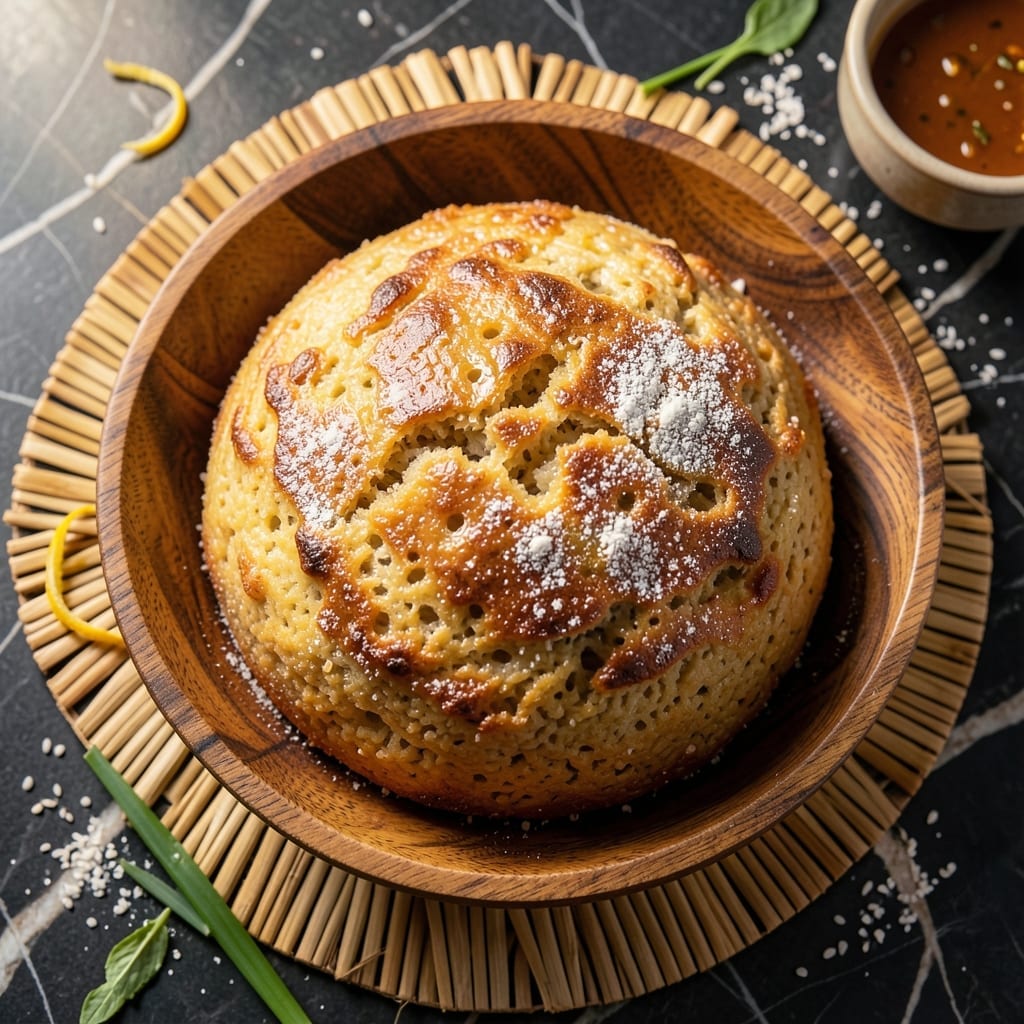
This Liberian staple transforms simple rice flour into a soft, slightly tangy bread that’s a testament to traditional fermentation techniques. The process begins with a natural starter, creating a light yet hearty texture that pairs perfectly with meals.
Unlike conventional bread, this version relies on rice flour, giving it a unique density and mild flavor. The fermentation step is key—it develops depth and ensures the bread rises beautifully without commercial yeast.
Once baked, you’ll have a golden, fluffy loaf with a tender crumb, ideal for soaking up stews or enjoying on its own. The subtle sourness from fermentation makes it irresistibly authentic.
The method is straightforward, but patience is required for the fermentation to work its magic. The result is a bread that’s both nourishing and deeply rooted in Liberian culinary tradition.
Ingredients for Liberian Rice Bread Recipe Youtube
Rice flour, natural starter, and patience create this traditional fermented bread with authentic flavor.
| Ingredient | Amount | Notes |
|---|---|---|
| Rice Flour 🌾 | 4 cups | White or brown rice flour |
| Active Natural Starter 🍞 | 1 cup | Rice-based or wheat-based works |
| Water 💧 | 2 cups | Warm for activating starter |
| Granulated Sugar 🍚 | 2 tbsp | Feeds the fermentation process |
| Salt 🧂 | 1 ½ tsp | Fine sea salt preferred |
| Vegetable Oil 🫒 | 2 tbsp | For greasing bowl and loaf pan |
| All-Purpose Flour 🌾 | ½ cup | Optional for dusting |
| Lukewarm Water 💧 | 1 cup | For adjusting dough consistency |
| Honey 🍯 | 1 tbsp | Optional for slight sweetness |
| Butter 🧈 | 1 tbsp | Optional for brushing baked loaf |
The rice flour is the foundation here. Bob’s Red Mill is a reliable brand for consistent texture, but any finely ground rice flour works. For the starter, if you don’t have a rice-based one, a sourdough starter will do—just ensure it’s active and bubbly. The fermentation is what gives this bread its signature tang, so don’t rush this step. Most natural food stores carry rice flour if your regular supermarket doesn’t stock it.
No natural starter? Commercial yeast at one-quarter the amount can substitute, though the flavor won’t be as complex. Brown rice flour works but yields a denser loaf (add 1-2 tbsp extra water if needed). For sweetness, agave or maple syrup can replace honey. The dough should be sticky but manageable—adjust with lukewarm water as you go.
The dough ferments best in a warm spot (75-80°F). Cover with a damp towel and let it rise 8-12 hours—overnight works. Baked loaves keep 3-4 days at room temperature, wrapped tightly. For longer storage, slice and freeze for up to 1 month.
Why You’ll Love This Recipe
- 5 Ingredient Magic: I just dump rice flour, starter, water, sugar, and salt—no fancy shopping or prep.
- Subtly Sweet: The sugar ferments with the starter giving it this gentle, almost caramel-like warmth that’s just right.
- Breakfast or Snack: Honestly, I’ve served it warm with tea at dawn and packed slices for lunchboxes at noon.
- Stays Fresh: Bake a batch on Sunday, and it’s still soft and tasty by Wednesday’s breakfast rush.
Step-by-Step Instructions for Liberian Rice Bread
Master the fermentation and baking process for a perfectly textured, slightly tangy bread.
Step 1: Activate the Starter and Mix the Dough
Combine the 1 cup Active Natural Starter with the 2 tbsp Granulated Sugar and the 2 cups Water in a large mixing bowl. Stir until the sugar fully dissolves—this feeds the fermentation process and ensures a good rise.
Gradually whisk in the 4 cups Rice Flour and 1.5 tsp Salt until a smooth, thick batter forms. The consistency should resemble pancake batter. Let this mixture rest at room temperature for 1 hour to allow the starter to activate and begin fermenting.
Step 2: Adjust Consistency and Ferment
After the initial rest, check the batter’s thickness. If it appears too dense, slowly incorporate up to 1 cup Lukewarm Water, a few tablespoons at a time, until it reaches a pourable but not runny consistency. For a touch of sweetness, stir in the 1 tbsp Honey at this stage.
Cover the bowl with a clean kitchen towel and let the dough ferment at room temperature for 6-8 hours, or until it has visibly risen and developed a slightly bubbly texture. The longer fermentation enhances the tangy flavor characteristic of this bread.
Step 3: Prepare the Pan and Final Proof
Generously grease a 9×5-inch loaf pan with the 2 tbsp Vegetable Oil, ensuring all surfaces are coated to prevent sticking. If desired, dust the pan lightly with the 0.5 cup All-Purpose Flour for added texture on the crust.
Pour the fermented batter into the prepared pan, smoothing the top with a spatula. Cover again and allow it to proof for an additional 1-2 hours, or until the batter has risen to the top of the pan and looks slightly domed.
Step 4: Bake to Golden Perfection
Preheat the oven to 375°F. Bake the rice bread on the center rack for 45-50 minutes, or until the top is golden brown and a toothpick inserted into the center comes out clean. The bread should pull away slightly from the edges of the pan.
If the top begins to brown too quickly, tent the pan with aluminum foil to prevent over-browning while ensuring the center cooks through completely.
Step 5: Cool and Finish
Remove the bread from the oven and let it cool in the pan for 10 minutes. Then, transfer it to a wire rack to cool completely. This cooling step is crucial to prevent a gummy texture.
Once cooled, brush the top with the 1 tbsp Butter for a glossy finish and added richness. Slice and serve at room temperature for the best flavor and texture.
Pro Tips For Making Liberian Rice Bread Recipe Youtube
- Ferment Longer: Give your starter at least 8-12 hours to work—Liberian rice bread needs that tangy depth, and rushing it leaves the flavor flat.
- Use Fine Rice Flour: Coarse rice flour makes the texture gritty. I learned this the hard way—stick to finely milled for that smooth, soft crumb.
- Skip Cold Water: Warm water activates the starter faster and helps the sugar dissolve evenly, so don’t pull it straight from the fridge.
- Rest Before Cooking: Let the batter sit 15-20 minutes after mixing—it thickens slightly, making it easier to shape and less likely to spread too thin.
Regional Styles of These Flavors
Monrovia Tradition
In Liberia’s capital, this bread often includes palm oil instead of vegetable oil for greasing, adding a subtle earthy note. Households use wooden bowls for fermentation, believing it enhances the natural tang. I learned this method from my grandmother, who always let the dough rise overnight. 💛
Northern Liberia Style
In rural areas, cassava flour is sometimes mixed with rice flour at a 1:3 ratio for a denser, chewier texture. The fermentation time extends to 12-15 hours due to cooler nighttime temperatures. Families often bake it in clay pots for an artisanal touch.
Coastal Variations
Near the coast, coconut milk replaces up to ½ cup water in the batter, adding richness. The bread pairs perfectly with seafood stews. I’ve seen vendors in Harper sell it warm, wrapped in banana leaves for portability. The scent is unforgettable.
Urban Adaptations
Modern Liberian bakeries often add 1 tsp vanilla extract to the batter for a sweeter profile. Some use electric ovens at 350°F for a longer, more even bake. This version is popular at birthday parties and celebrations in Monrovia.
Festive Occasions
For holidays like Independence Day, bakers shape the dough into small rolls instead of loaves. These are brushed with egg wash before baking for a shiny finish. The rolls are served with spicy pepper soup—a combination I still crave. 🌟
Nutrition Facts
Frequently Asked Questions
Can I use all-purpose flour instead of rice flour?
Rice flour is essential for authentic texture, but you can substitute up to 25% with all-purpose flour. The bread will be denser and less traditional. For gluten-free, stick to pure rice flour.
How do I know when the fermentation is complete?
Look for visible bubbles and a slightly sour aroma. The batter should rise by 50% and jiggle when tapped. Warmer kitchens may finish in 6 hours; cooler ones need 12 hours.
Why did my bread turn out gummy inside?
Underbaking or slicing too soon causes gumminess. Ensure the toothpick test comes out clean and cool completely for 1 hour before slicing. Oven temperature should be exact at 375°F.

- Mujadara Rice and Lentils Recipe: Earthy Spiced Lentils With Caramelized Onions - November 1, 2026
- Naija Fried Rice Recipe: Street-Style Spice With Veggie Crunch - November 1, 2026
- Mushy Rice Recipe: Fluffy Grains Transformed in Minutes - November 1, 2026