
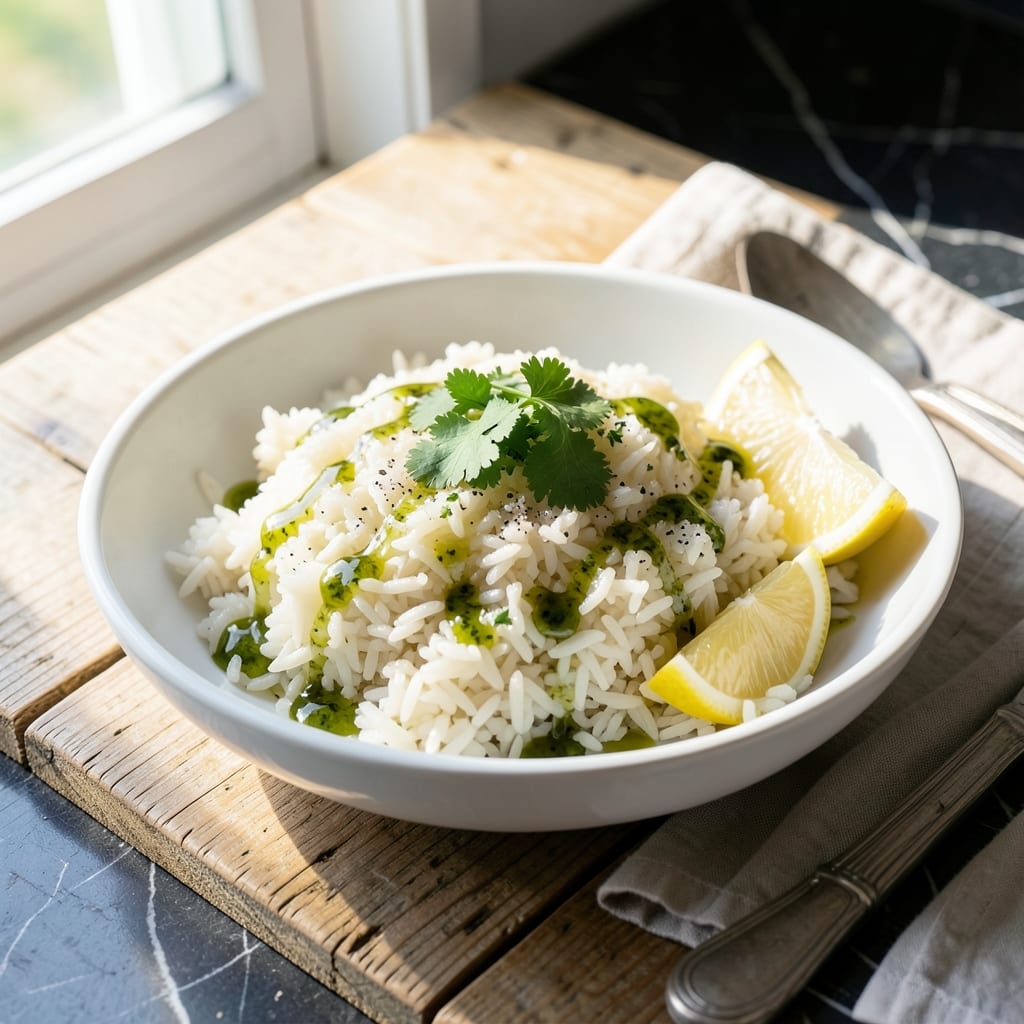
When dietary sensitivities require careful ingredient selection, this rice preparation offers a reliable solution for those managing histamine intolerance. The method focuses on fresh, low-histamine ingredients and controlled cooking to maintain safety without sacrificing flavor or texture.
I developed this approach after witnessing how many struggle to find simple, trustworthy options. White rice serves as the foundation, with precise cooking times and temperatures ensuring consistent results every time. The process eliminates guesswork while delivering fluffy, well-cooked grains.
What sets this apart is its versatility as a base for various meals while adhering to strict dietary needs. The rice remains neutral in taste, allowing it to complement other low-histamine dishes seamlessly. It’s a straightforward yet essential component for sensitive diets.
Perfect for daily meals or batch cooking, this recipe provides peace of mind alongside reliable results.
Ingredients for Low Histamine Rice
Fresh, simple ingredients designed for sensitive diets with minimal histamine impact.
| Ingredient | Amount | Notes |
|---|---|---|
| Jasmine Rice 🌾 | 2 cups | Rinsed thoroughly before cooking |
| Filtered Water 💧 | 4 cups | Use filtered for purity |
| Sea Salt 🧂 | ½ tsp | Fine grain preferred |
| Extra-Virgin Olive Oil 🫒 | 1 tbsp | Optional for serving |
| Fresh Cilantro 🌿 | ¼ cup | Chopped, for garnish |
| Lemon Juice 🍋 | 1 tsp | Freshly squeezed preferred |
| Zucchini 🥒 | 1 whole | Diced, optional additive |
| Carrots 🥕 | 1 whole | Peeled and diced |
| Coconut Oil 🥥 | 1 tsp | For light sautéing |
| Turmeric Powder 🌶️ | ¼ tsp | For color and anti-inflammatory benefits |
| Fresh Ginger 🌿 | ½ tsp | Grated, for aroma |
The rice is the foundation here. Jasmine rice is ideal for its low histamine profile and fluffy texture—basmati works too. Always rinse thoroughly to remove excess starch, which can affect digestion. Filtered water is non-negotiable for those with sensitivities, as tap water may contain additives. I source my rice from Whole Foods or Asian markets, where turnover is high and freshness is guaranteed.
No jasmine rice? White basmati or long-grain rice are safe alternatives. Skip the fresh herbs if they’re a trigger—dried cilantro at half the amount works, though it’s less vibrant. The coconut oil can be swapped for avocado oil, but avoid nut oils if allergies are a concern. For extra flavor, a pinch of turmeric or fresh ginger adds depth without histamine risk.
Cooked rice stays fresh in the fridge for 3-4 days in an airtight container. For longer storage, freeze in portions for up to 3 months. Reheat gently with a splash of water to restore moisture. Always check freshness dates on grains—older rice can develop histamine over time.
Why You’ll Love This Recipe
- Set and Forget: I just toss jasmine rice, water, and a pinch of sea salt in the pot, then walk away—no babysitting required.
- Bright and Fresh: The cilantro on top adds a pop of flavor without any histamine worries.
- Meal Prep MVP: It reheats beautifully, so I make a big batch and pair it with different proteins all week.
- Pantry Staples Only: No special ingredients—just rice, water, salt, and whatever olive oil and cilantro I already have on hand.
Step-by-Step Instructions for Low Histamine Rice
This method ensures optimal digestibility while maintaining the dish’s natural flavors and textures.
Step 1: Rinse and Prepare the Rice
Place the 2 cups Jasmine Rice in a fine-mesh strainer and rinse thoroughly under cold running water. I continue rinsing until the water runs completely clear, which typically takes 2-3 minutes. This step removes surface starch and any potential contaminants that could affect histamine levels.
After rinsing, allow the rice to drain completely for 5 minutes. Shake the strainer gently to remove excess water. Proper draining prevents the rice from becoming gummy during cooking and ensures an even texture throughout each grain.
Step 2: Sauté Aromatics for Enhanced Flavor
Heat the 1 tsp Coconut Oil in a medium saucepan over medium heat. Add the 0.25 tsp Turmeric Powder and 0.5 tsp Fresh Ginger, stirring constantly for 30-45 seconds until fragrant. The turmeric will deepen in color slightly, releasing its earthy aroma.
Be careful not to let the spices burn—this can create bitter flavors. The ginger should soften slightly but retain its bright, fresh character. This brief sautéing step builds a flavor foundation that complements the rice without introducing high-histamine ingredients.
Step 3: Cook the Rice with Precision
Add the drained 2 cups Jasmine Rice to the saucepan and stir to coat the grains with the coconut oil and spices. Pour in the 4 cups Filtered Water and add the 0.5 tsp Sea Salt. Bring to a rolling boil over high heat.
Once boiling, reduce the heat to low, cover the saucepan with a tight-fitting lid, and simmer for 15 minutes. Do not lift the lid during this time—steam is crucial for even cooking. After 15 minutes, turn off the heat and let the rice rest, covered, for an additional 10 minutes.
Step 4: Prepare and Incorporate Vegetables
While the rice cooks, peel and dice the 1 whole Carrots and 1 whole Zucchini into small, uniform pieces. Heat a separate small skillet over medium heat and lightly sauté the diced vegetables in a touch of water for 5-7 minutes until just tender but still vibrant in color.
Once the rice has finished its resting period, gently fold in the sautéed vegetables. This preserves their texture and nutrients while adding a subtle sweetness that pairs well with the rice. The vegetables should be warm and slightly softened but retain a slight crispness.
Step 5: Finish and Serve
Transfer the rice to a serving bowl and drizzle with the 1 tbsp Extra-Virgin Olive Oil. This adds a smooth, rich finish without overpowering the dish. Garnish with the 0.25 cup Fresh Cilantro, chopped, and a squeeze of 1 tsp Lemon Juice just before serving.
The cilantro adds a fresh, bright note, while the lemon juice enhances the flavors without introducing high-histamine elements. Serve immediately while the rice is still warm and the aromas are at their peak. This dish should be light, fluffy, and free from any off-putting odors or flavors.
Pro Tips For Making Low Histamine Rice
- Rinse Thoroughly: Wash the jasmine rice under cold filtered water until the water runs clear—this removes excess starch and reduces potential histamine triggers.
- Use Fresh Water: Always cook the rice in filtered water, not tap, to avoid any additives or contaminants that could affect histamine levels.
- Skip the Soak: Don’t soak the rice beforehand; it can introduce bacteria and raise histamine content, especially in warm kitchens.
- Finish with Cilantro: Stir in fresh cilantro at the very end, just before serving, to preserve its bright flavor and minimize oxidation.
Flavor Customization for This Dish
Herb Variations
Swap fresh cilantro for flat-leaf parsley if you prefer a milder herb flavor. Use ¼ cup chopped parsley for the same vibrant color and fresh finish. I find parsley pairs beautifully with the ginger and turmeric notes. 🌿
Citrus Alternatives
Replace lemon juice with lime juice for a slightly different citrus profile. Use the same 1 tsp measurement to maintain balance. Lime adds a bright, zesty kick that complements the dish’s gentle flavors.
Spice Adjustments
For a warmer touch, increase turmeric powder to ½ tsp or add ¼ tsp ground cumin. Both spices are low-histamine and enhance the rice’s depth without overpowering it. I often add a pinch of cumin for extra warmth.
Vegetable Swaps
Try diced green beans or peeled zucchini instead of carrots for a different texture. Sauté for 5-7 minutes until tender-crisp. Green beans add a subtle crunch, while zucchini brings a delicate sweetness.
Oil Choices
Use avocado oil instead of coconut oil for a neutral flavor. Measure 1 tsp for sautéing the aromatics. Avocado oil has a high smoke point, making it ideal for controlled cooking.
Fresh Additions
Stir in ¼ cup fresh peas after cooking for a pop of color and natural sweetness. Add them during the last 2 minutes of resting to warm through. Peas are low-histamine and add a lovely texture contrast. ✨
Nutrition Facts
Frequently Asked Questions
What type of rice works best?
Jasmine or basmati are ideal due to their low histamine profiles. Both rinse clean and cook up fluffy without releasing excess starch.
Can I use tap water instead of filtered?
Filtered is strongly recommended to avoid additives that may increase histamine. If using tap, let it sit for 24 hours first to allow chlorine to dissipate.
How long will leftovers stay fresh?
Store in an airtight container in the fridge for 3-4 days or freeze for 3 months. Reheat gently with a splash of water.
What common mistakes should I avoid?
Don’t skip rinsing the rice or lift the lid while cooking. Both can lead to gummy texture or uneven doneness.

- Lump Rice Recipe Sri Lanka: Traditional Island-Style Texture - November 4, 2026
- Laos Sticky Rice Recipe: Traditional Steamed Perfection - November 4, 2026
- Magic Rice Recipe: One-Pot Aromatic Wonder - November 4, 2026