
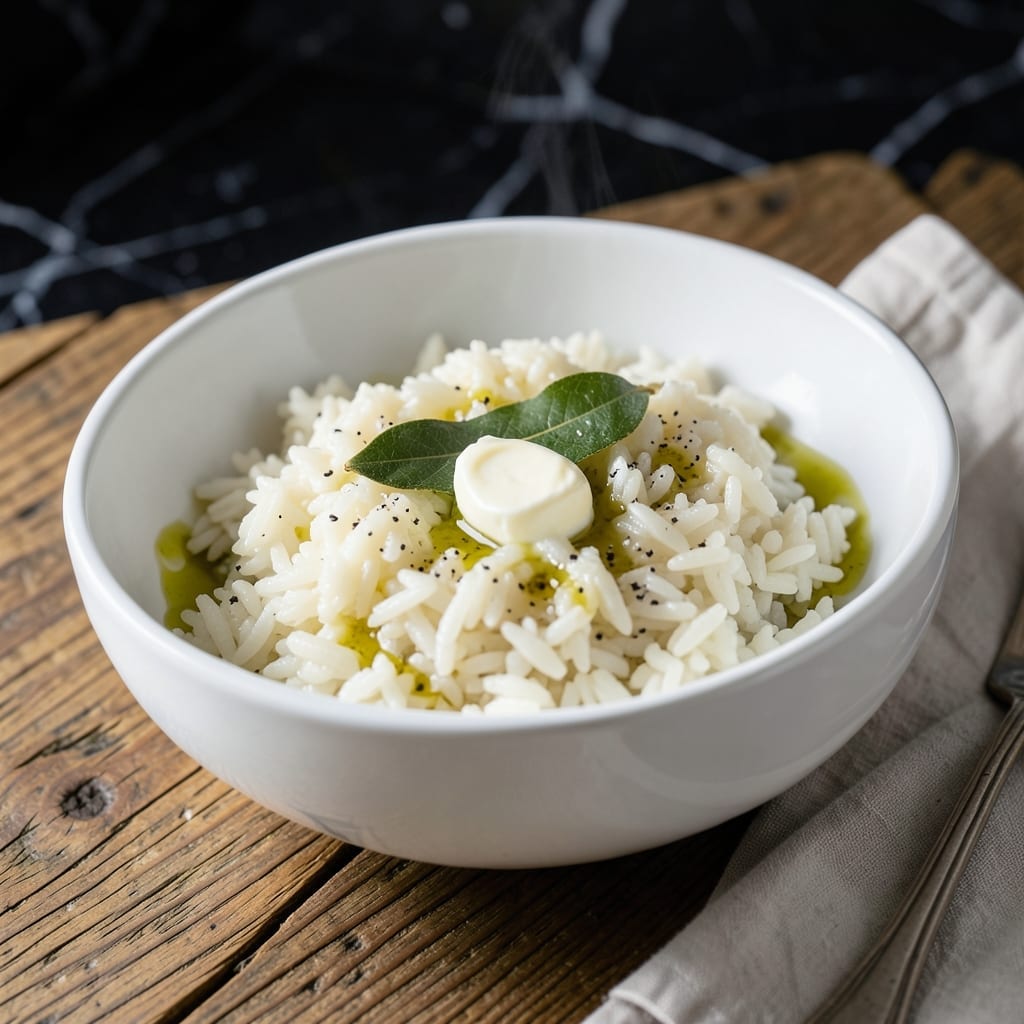
Achieving light and fluffy rice every time starts with the right technique and precise ratios. This method works perfectly with Mahatma white rice, delivering consistent results for any meal.
The key is using a 1:2 rice-to-water ratio and bringing it to a boil before covering and simmering. This ensures even cooking and prevents mushy or underdone grains.
After simmering for 15 minutes, the rice will absorb all the water, resulting in separate, tender grains. Letting it rest off the heat for 5 minutes completes the process.
Serve this versatile side with your favorite proteins, vegetables, or as a base for stir-fries and bowls. It’s simple, reliable, and always satisfying.
Ingredients for Mahatma White Rice
Nine ingredients for perfect rice every time. Simple yet precise for best results.
| Ingredient | Amount | Notes |
|---|---|---|
| Mahatma White Rice 🍚 | 2 cups | Long-grain, rinsed until clear |
| Water 💧 | 4 cups | Filtered or tap, at room temperature |
| Kosher Salt 🧂 | 1 tsp | Diamond Crystal preferred for consistency |
| Unsalted Vegan Butter 🧈 | 1 tbsp | Optional, for finishing |
| Extra-Virgin Olive Oil 🫒 | ½ tbsp | For toasting rice grains |
| Bay Leaf 🌿 | 1 whole | Optional, for subtle aroma |
| Garlic Cloves 🧄 | 2 cloves | Peeled, lightly crushed |
| Fresh Parsley 🌿 | 2 tbsp | Finely chopped, for garnish |
| Lemon Zest 🍋 | ½ tsp | Optional, for brightness |
| Black Pepper 🌶️ | ¼ tsp | Freshly ground preferred |
The rice quality is non-negotiable here. Mahatma long-grain white rice delivers the consistent texture this method requires. Look for the enriched version in any major supermarket—it’s widely available and reliable. Rinsing removes excess starch, which is critical for achieving those separate, fluffy grains. Skip this step and you risk a gummy result. The water ratio is exact: 2 cups water per 1 cup rice, no exceptions.
No Mahatma on hand? Jasmine or basmati work but reduce water by 1-2 tbsp per cup—they absorb less. Vegan butter can be swapped for coconut oil or omitted entirely. Bay leaf and garlic are optional but add depth. If using garlic, lightly crush the cloves to infuse flavor without overpowering. Fresh parsley is ideal, but dried works at one-third the amount.
Uncooked rice stores indefinitely in a cool, dry place. Once cooked, it keeps 4-5 days refrigerated in an airtight container. For longer storage, freeze in portions for up to 3 months. Reheat with a splash of water to restore moisture.
Why You’ll Love This Recipe
- Set and Forget: I just dump the rice, water, and a pinch of salt in a pot, then walk away—no stirring, no fuss.
- Buttery Comfort: The vegan butter and olive oil give it this rich, almost luxurious taste that’s way better than plain rice.
- Meal Prep Hero: It’s my base for bowls, stir-fries, or burritos all week long—reheats like a dream.
- Budget Stretch: A pound of Mahatma rice feeds my family for days, and it costs less than a coffee.
Step-by-Step Instructions for Mahatma White Rice
Master this technique for consistently perfect results with every grain separate and fluffy.
Step 1: Rinse and Prepare the Rice
Place the 2 cups Mahatma White Rice in a fine-mesh strainer and rinse under cold running water until the water runs clear. This removes excess starch that would otherwise make the rice gummy. I rinse for 30-45 seconds, swirling the grains with my hand to ensure thorough cleaning.
Drain the rice completely, then let it sit in the strainer for 2-3 minutes to remove any residual moisture. You want the grains dry to the touch before cooking—this prevents them from clumping together during the toasting step.
Step 2: Toast the Rice with Aromatics
Heat the 0.5 tbsp Extra-Virgin Olive Oil in a medium saucepan over medium heat. Add the 2 cloves Garlic Cloves, the 1 whole Bay Leaf, and the drained rice. Stir constantly for 1-2 minutes until the rice grains turn slightly translucent at the edges and the garlic becomes fragrant.
This toasting step enhances the nutty flavor of the rice and blooms the aromatics. Watch carefully—you want the rice to become just barely golden, not brown. The garlic should sizzle but not burn, as burnt garlic will impart a bitter taste to the dish.
Step 3: Cook the Rice with Salt
Add the 4 cups Water and 1 tsp Kosher Salt to the saucepan. Stir once to distribute the rice evenly, then bring to a rolling boil over high heat. As soon as it boils, reduce the heat to low, cover the pot with a tight-fitting lid, and set a timer for 15 minutes.
It’s crucial not to lift the lid during cooking—steam is what cooks the rice evenly. You’ll know it’s working when you see steam escaping from under the lid and hear a gentle simmer. Resist the temptation to peek, as this releases valuable steam and can result in unevenly cooked rice.
Step 4: Rest and Finish the Rice
After 15 minutes, turn off the heat and let the rice sit, covered, for an additional 10 minutes. This resting period allows the grains to absorb any remaining moisture and finish cooking through carryover heat. The rice should be tender with no hard center when tested.
Remove the lid and discard the Bay Leaf and Garlic Cloves. Fluff the rice gently with a fork to separate the grains. Stir in the 1 tbsp Unsalted Vegan Butter if using, along with the 0.5 tsp Lemon Zest and 0.25 tsp Black Pepper. The butter adds a subtle richness, while the lemon zest brightens the overall flavor.
Step 5: Garnish and Serve Immediately
Transfer the rice to a serving bowl and sprinkle with the 2 tbsp Fresh Parsley. The parsley adds a pop of color and freshness that complements the rice beautifully. Serve immediately while hot—the rice will begin to dry out as it cools.
For best texture, avoid packing the rice down when serving. Instead, use a fork to lift and fluff portions onto each plate. This maintains the light, airy quality you’ve worked to achieve.
Pro Tips For Making Mahatma White Rice
- Rinse the Rice: Always rinse Mahatma white rice under cold water until the water runs clear—this removes excess starch and prevents gummy, sticky grains.
- Use the Right Ratio: For perfectly fluffy rice, stick to a 1:1.5 ratio of rice to water—1 cup Mahatma rice to 1.5 cups water works every time.
- Let It Steam: After the water absorbs, turn off the heat and let it sit covered for 10 minutes—this final step guarantees light, separate grains.
- Stir in Butter Late: Mix the unsalted vegan butter and olive oil in at the very end so it doesn’t break down during cooking, keeping the rice rich and fragrant.
Common Mistakes When Making Great mahatma white rice
Skipping the Rinse
I see this mistake often—skipping the rinse leads to starchy, gummy rice. Rinsing removes excess starch, which is critical for achieving separate, fluffy grains. Use a fine-mesh strainer and rinse until the water runs clear, about 30-45 seconds. Trust me, it’s worth the extra effort. 💪
Incorrect Water Ratio
Using too much or too little water throws off the entire cook. Stick to the 1:2 rice-to-water ratio—2 cups rice to 4 cups water. Measuring precisely ensures even absorption. A kitchen scale helps if you want to be extra accurate.
Peeking During Cooking
Lifting the lid releases steam, which disrupts the cooking process. Once you cover the pot after boiling, leave it alone for the full 15 minutes. The steam trapped inside is what cooks the rice evenly. Resist the urge to check—patience pays off here.
Over-Toasting the Rice
Toasting the rice adds nutty flavor, but it’s easy to go too far. Cook it just until the edges turn translucent, about 1-2 minutes. If it browns, it’ll taste bitter. Keep the heat at medium and stir constantly to prevent burning.
Skipping the Rest
Resting is just as important as cooking. After 15 minutes of simmering, turn off the heat and let it sit, covered, for 10 minutes. This allows the grains to absorb residual moisture and finish cooking evenly. 🔥
Using Cold Water
Cold water slows the cooking process and can lead to uneven results. Always use room temperature water to ensure consistent absorption. This small detail makes a big difference in achieving perfectly cooked grains every time.
Nutrition Facts
Frequently Asked Questions
What’s the best water-to-rice ratio?
Use a 1:2 ratio of rice to water—2 cups rice to 4 cups water. This ensures perfect absorption for fluffy results every time.
How long should I rinse the rice?
Rinse under cold water for 30-45 seconds until the water runs clear. This removes excess starch to prevent gumminess.
Can I use other rice varieties?
Yes, but adjust water slightly. For jasmine or basmati, reduce water by 1-2 tbsp per cup as they absorb less.
Why do I need to rest the rice?
Resting for 10 minutes after cooking lets grains absorb residual moisture and finish evenly. This step guarantees light, separate grains.

- Mujadara Rice and Lentils Recipe: Earthy Spiced Lentils With Caramelized Onions - November 1, 2026
- Naija Fried Rice Recipe: Street-Style Spice With Veggie Crunch - November 1, 2026
- Mushy Rice Recipe: Fluffy Grains Transformed in Minutes - November 1, 2026