
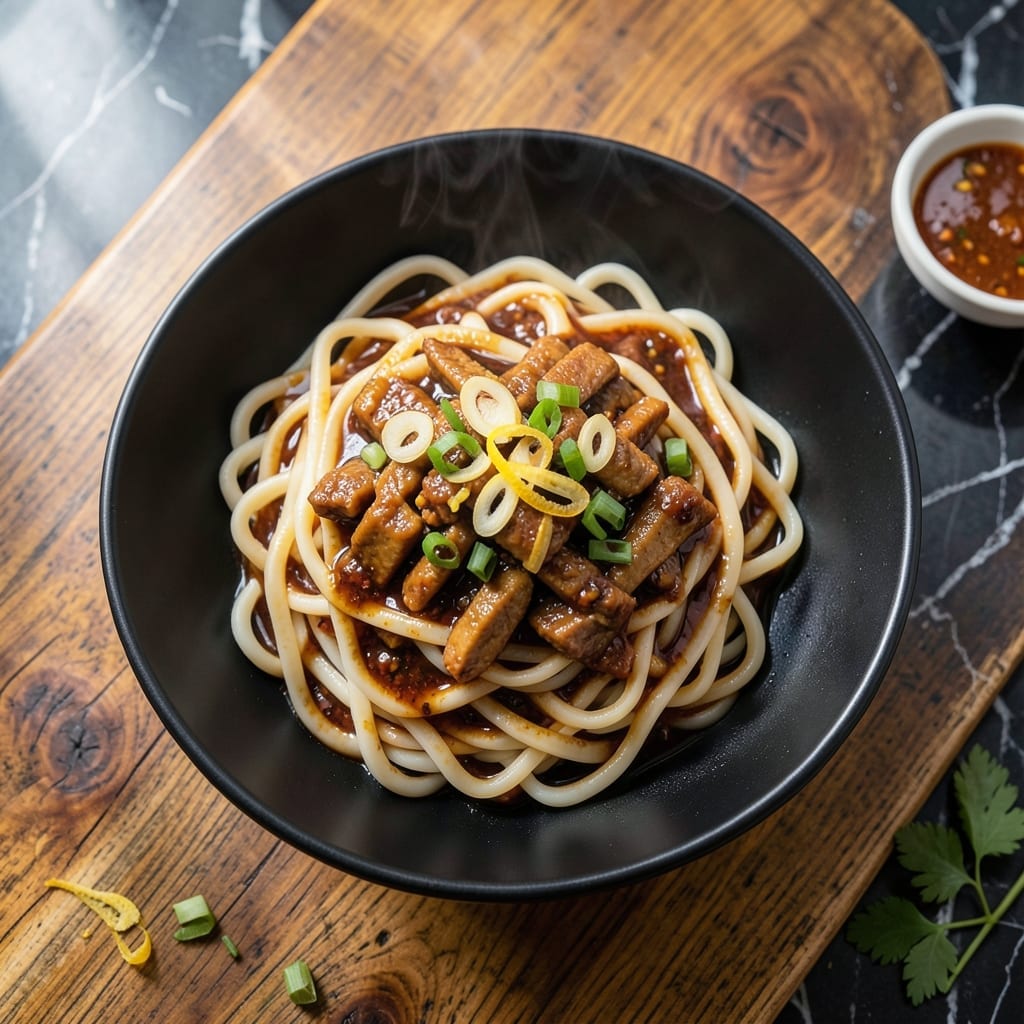
There’s nothing quite like the sizzle of rice noodles hitting a hot wok, releasing that unmistakable aroma of street food magic. This dish captures the essence of Malaysian hawker stalls with a balance of sweet, savory, and umami flavors.
The secret lies in the quick, high-heat cooking that keeps the noodles tender-crisp while allowing the sauce to cling perfectly. A handful of simple ingredients—soy sauce, garlic, and fresh herbs—come together in minutes for an authentic taste.
What you’ll get is a plate of wok-tossed noodles with layers of flavor in every bite. The dish is light yet satisfying, with a texture that’s both chewy and slightly charred from the wok.
Perfect for a quick weeknight meal or when you crave bold, vibrant flavors. Here’s how to bring the streets of Malaysia to your kitchen.
Ingredients for Malaysian Rice Noodles
Flat rice noodles, bold sauces, and fresh herbs bring street food magic to your kitchen.
| Ingredient | Amount | Notes |
|---|---|---|
| Rice Noodles 🍜 | 8 oz | Flat, wide variety preferred |
| Dark Soy Sauce 🫙 | 3 tbsp | For deep color and flavor |
| Light Soy Sauce 🫙 | 2 tbsp | For saltiness and balance |
| Oyster Sauce 🫙 | 2 tbsp | Vegan oyster sauce if needed |
| Garlic Cloves 🧄 | 4 cloves | Minced finely for even flavor |
| Shallot 🧅 | 1 whole | Thinly sliced for sweetness |
| Red Chili Pepper 🌶️ | 1 whole | Sliced thin, seeds removed |
| Fresh Cilantro 🌿 | ½ cup | Chopped, for garnish and freshness |
| Lime 🍋 | 1 whole | Cut into wedges for serving |
| Bean Sprouts 🌱 | 1 cup | Rinsed and drained well |
| Green Onions 🧅 | 3 whole | Sliced thin on diagonal |
| Peanut Oil 🫒 | ¼ cup | High smoke point for stir-frying |
| Sesame Oil 🫒 | 1 tsp | Toasted, for finishing aroma |
| Sugar 🧈 | 1 tsp | White or brown for balance |
| White Pepper 🌶️ | ½ tsp | Ground, for subtle heat |
The noodles are everything here. Look for flat, wide rice noodles (sometimes labeled as pad Thai noodles) at Asian markets or the international aisle at Whole Foods. Brands like Thai Kitchen or Annie Chun’s work well. Soak them just until pliable—not mushy—before hitting the wok. The soy sauces are non-negotiable: dark for depth, light for salt. Pearl River Bridge is my go-to brand for both (find it at H Mart).
No oyster sauce? Vegetarian mushroom sauce (like Lee Kum Kee) gets you close. Fresh cilantro is ideal but Thai basil works too—just tear the leaves. Red chili can be swapped for sriracha or chili flakes (start with half the amount). If shallots are MIA, red onion in a pinch. Short on time? Buy pre-sliced bean sprouts (check the label for freshness date).
Store dry rice noodles in a cool, dark place for up to 1 year. Once soaked, cook immediately—they don’t hold well. Sauces keep in the fridge for 6 months once opened. Fresh herbs last 5 days wrapped in damp paper towels in a bag. Lime wedges cut the morning of will taste brightest.
Why You’ll Love This Recipe
- One-Pot Wonder: I toss everything in a single pan—noodles, sauces, garlic—and it’s done in 15 minutes flat.
- Umami Bomb: That mix of dark soy, light soy, and oyster sauce hits all the right notes, rich and deeply savory.
- Meals for Days: Makes enough for lunch tomorrow, and honestly, it tastes even better reheated.
- Pantry Hero: Rice noodles and those sauces are cheap staples I always have on hand for emergencies.
Step-by-Step Instructions for Malaysian Rice Noodles
Here’s how I create that authentic street food magic in my own kitchen.
Step 1: Soften and Prep the Rice Noodles
Soak the 8 oz Rice Noodles in warm water for 15-20 minutes until they’re pliable but still slightly firm. I use a large bowl with enough water to fully submerge them. Drain thoroughly and set aside—this prevents them from sticking together when stir-fried.
While the noodles soak, mince the 4 cloves Garlic Cloves and thinly slice the 1 whole Shallot. Thinly slice the 1 whole Red Chili Pepper after removing seeds for heat control. Chop the 0.5 cup Fresh Cilantro and slice the 3 whole Green Onions on a diagonal for presentation.
Step 2: Stir-Fry Aromatics and Vegetables
Heat ¼ cup Peanut Oil in a wok or large skillet over high heat until it shimmers. Add the minced garlic and sliced shallot, stir-frying for 30 seconds until fragrant but not browned. Immediately add the sliced red chili pepper and cook for another 15 seconds.
Add the 1 cup Bean Sprouts and stir-fry for 1-2 minutes until they begin to soften slightly but retain their crispness. Push everything to one side of the pan to make room for the noodles.
Step 3: Combine Noodles and Sauces
Add the drained rice noodles to the wok, spreading them out to catch the heat. Pour 3 tbsp Dark Soy Sauce, 2 tbsp Light Soy Sauce, and 2 tbsp Oyster Sauce over the noodles. Sprinkle in the 1 tsp Sugar and ½ tsp White Pepper.
Using tongs, toss everything together for 2-3 minutes until the noodles are evenly coated and heated through. The noodles should be tender with a slight chew, and the sauce should glaze the strands without pooling in the pan.
Step 4: Finish and Serve
Remove from heat and drizzle with 1 tsp Sesame Oil, tossing once more to distribute. The sesame oil adds a fragrant finish that ties all the flavors together. Taste and adjust seasoning if needed.
Transfer to serving plates and top with the chopped cilantro and sliced green onions. Serve immediately with lime wedges on the side for squeezing over the top. The lime’s acidity brightens all the rich, savory flavors.
Pro Tips For Making Malaysian Rice Noodles
- Soak Noodles Right: Cover rice noodles with warm water for 8-10 minutes until pliable but still firm—I learned this the hard way after ending up with mushy strands more than once.
- Bloom the Garlic: Cook minced garlic in oil on medium-low for 30 seconds until fragrant, not brown. After burning three batches, I finally figured out that bitter garlic ruins the sauce.
- Balance Your Sauces: Use a 2:1:1 ratio of light to dark soy sauce to oyster sauce for depth without overpowering saltiness. My grandmother swore by this, and she was right.
- Skip the Overcrowding: Stir-fry noodles in batches if needed—about 2 tablespoons of oil per batch. Sounds weird, but it works for even charring without steaming.
Serving Suggestions for This Recipe
Garnish like a Pro
Fresh toppings make all the difference. I always finish with a generous sprinkle of chopped cilantro and sliced green onions for color and freshness. The contrast of bright green against the dark soy-glazed noodles is visually stunning. 🌟
Lime is Essential
Never skip the lime wedges—they cut through the richness and elevate every flavor. I squeeze ½ lime over my portion and let everyone adjust to taste. The acidity balances the umami perfectly.
Add Some Crunch
For texture contrast, I love adding crushed roasted peanuts or toasted cashews on top. Just 2 tablespoons per serving gives that satisfying crunch. You can also include extra bean sprouts for freshness.
Protein Pairings
This dish works beautifully with proteins. I often serve with grilled shrimp or chicken satay skewers on the side. For a heartier meal, add sliced char siu pork directly to the wok at the end.
Family-Style Service
Present on a large platter for sharing. I arrange the noodles in the center, surrounded by lime wedges, extra herbs, and small bowls of sriracha or chili oil for customizing heat levels. 💛
Beverage Match
An ice-cold Asian lager like Singha or Tiger Beer pairs perfectly, cutting through the savory flavors. For non-alcoholic options, jasmine iced tea with a squeeze of lime is refreshing.
Nutrition Facts
Frequently Asked Questions
Can I use regular spaghetti instead of rice noodles?
Rice noodles have a unique chewy texture that spaghetti can’t replicate. For best results, stick with flat rice noodles. If you must substitute, use udon noodles as they’re closer in texture.
How do I prevent the noodles from sticking together?
Soak them in warm water for exactly 15-20 minutes, then drain and rinse with cold water. Toss with a little oil before stir-frying to keep them separated.
What can I use instead of oyster sauce?
For a similar flavor, use vegetarian mushroom sauce or a mix of hoisin sauce and soy sauce. Start with 1 tablespoon and adjust to taste.
Why are my noodles mushy?
This usually means they were over-soaked. Next time, check them at 15 minutes – they should be pliable but still firm. Stir-fry immediately after draining to prevent further softening.

- Mujadara Rice and Lentils Recipe: Earthy Spiced Lentils With Caramelized Onions - November 1, 2026
- Naija Fried Rice Recipe: Street-Style Spice With Veggie Crunch - November 1, 2026
- Mushy Rice Recipe: Fluffy Grains Transformed in Minutes - November 1, 2026