
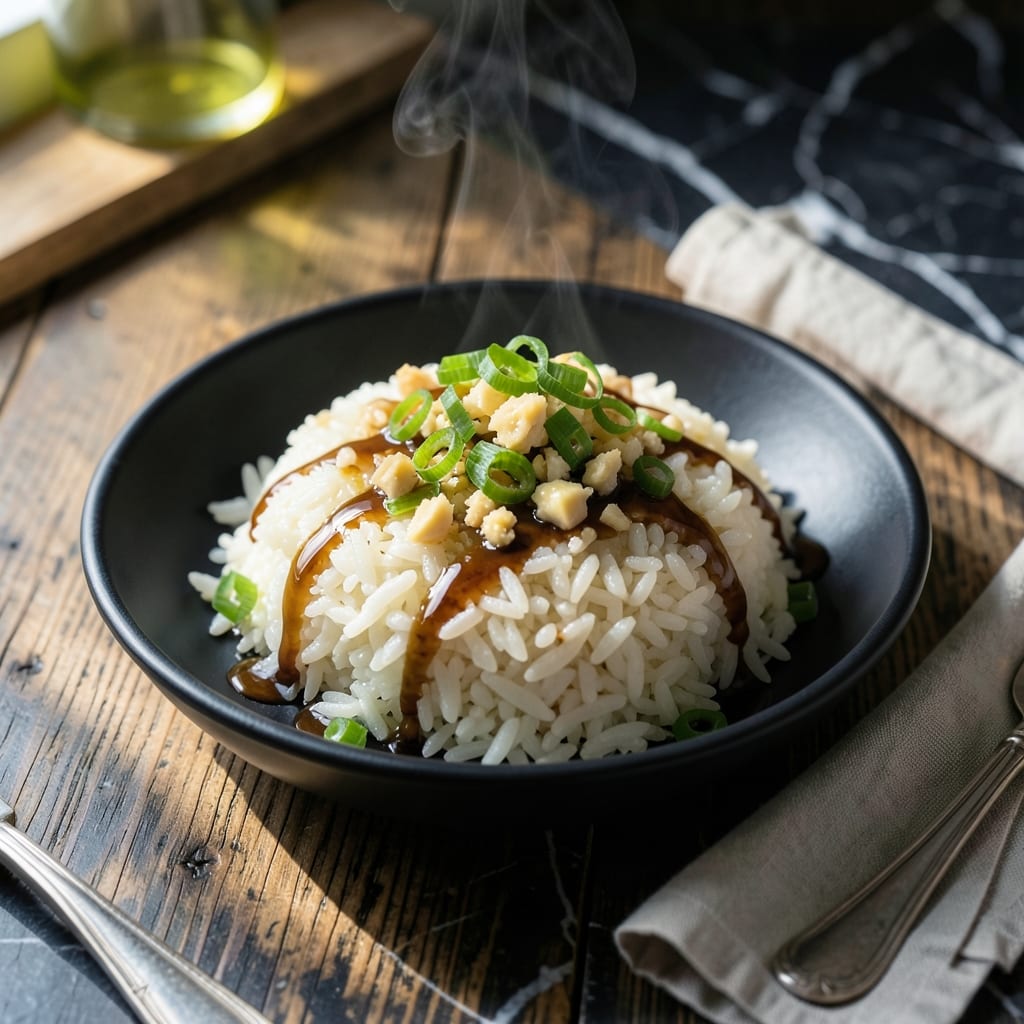
This recipe transforms ordinary rice into an Asian-inspired side dish that pairs perfectly with any main course. I developed this version after studying Ming Tsai’s approach to layering flavors in simple staples.
The key is using a precise ratio of rice to liquid and infusing the cooking water with aromatics. A quick toast of the grains in oil before adding liquid creates a nutty depth that elevates the final result.
What emerges is fluffy, fragrant rice with distinct grains that absorb just enough seasoning. The technique ensures consistent texture every time, whether serving four or fourteen.
This method works with white or brown rice, and leftovers reheat beautifully for meals throughout the week.
Ingredients for Ming Tsai House Rice
Precision meets simplicity in this aromatic Asian-style rice with layered flavors and perfect texture.
| Ingredient | Amount | Notes |
|---|---|---|
| Jasmine Rice 🌾 | 2 cups | Rinsed until water runs clear |
| Vegetable Oil 🫒 | 2 tbsp | Neutral flavor, high smoke point |
| Garlic Cloves 🧄 | 3 cloves | Minced finely for even distribution |
| Fresh Ginger Root 🌿 | 1 tbsp | Peeled and grated |
| Green Onions 🧅 | 4 whole | Thinly sliced, white and green parts separated |
| Low-Sodium Soy Sauce 💧 | 2 tbsp | Tamari for gluten-free option |
| Sesame Oil 🫒 | 1 tsp | Toasted variety for depth |
| Chicken Broth 🍲 | 3 cups | Low-sodium preferred for control |
| Salt 🧂 | ½ tsp | Diamond Crystal kosher preferred |
| White Pepper 🌶️ | ¼ tsp | Ground for subtle heat |
| Shaoxing Wine 🍶 | 1 tbsp | Dry sherry as substitute |
| Water 💧 | 1 cup | Adjust based on rice absorption |
The rice foundation demands quality. Jasmine rice from Thai or Vietnamese brands offers authentic fragrance. Vegetable oil with a neutral profile (think avocado or grapeseed) prevents burning during the crucial toasting phase. For the aromatics, fresh ginger and garlic are non-negotiable—pre-minced versions lack the vibrant punch needed to infuse the grains properly during cooking.
Need a gluten-free version? Swap soy sauce for tamari. Missing Shaoxing wine? Dry sherry at equal volume works beautifully. The broth can be vegetable-based for vegetarian diets. Brown jasmine rice is an acceptable substitute (increase liquid by 25% and extend cooking time). The sesame oil adds finish—don’t skip it, but toasted peanut oil offers a pleasant variation.
Cooked rice holds in the fridge for 5 days in an airtight container. The flavors actually deepen overnight. For longer storage, freeze in portions for up to 3 months. Reheat with a splash of water and a tight lid to restore moisture and prevent drying out.
Why You’ll Love This Recipe
- One-Pot Wonder: I love that this comes together in a single pot—just rice, oil, and aromatics, no fancy equipment.
- Garlic-Ginger Magic: The sizzle of fresh ginger and garlic in hot oil makes the whole kitchen smell incredible, and the taste is even better.
- Weeknight Sidekick: It pairs with everything from stir-fry to grilled chicken, and I’ve served it at casual dinners and holiday meals alike.
- Budget Stretcher: Jasmine rice is affordable, and a little goes a long way—leftovers taste just as good the next day.
Step-by-Step Instructions for Asian-Style House Rice
Master the technique behind this aromatic rice dish with precise timing and layering of flavors.
Step 1: Rinse and Toast the Jasmine Rice
Place the 2 cups Jasmine Rice in a fine-mesh strainer and rinse under cold water until the water runs completely clear. This removes excess starch and prevents gummy rice. Shake the strainer vigorously to remove all surface water.
In a medium pot with a tight-fitting lid, heat the 2 tbsp Vegetable Oil over medium-high heat. Add the drained rice and stir for 1-2 minutes until the grains turn slightly opaque and you catch a light, nutty aroma. This toasting step enhances the rice’s natural flavor before liquid is added.
Step 2: Sauté Aromatics for Depth of Flavor
Reduce heat to medium and add the 3 cloves Garlic Cloves and 1 tbsp Fresh Ginger Root to the pot. Stir constantly for 30-45 seconds until the mixture becomes fragrant but hasn’t browned. Garlic and ginger burn easily, so keep them moving.
Add the white parts of the 4 whole Green Onions and cook for another 30 seconds. The goal is to bloom these aromatics in the oil, creating a foundation of flavor that will infuse every grain of rice as it cooks.
Step 3: Deglaze and Season the Rice Base
Pour in the 1 tbsp Shaoxing Wine and stir for 15 seconds to deglaze the pot, scraping up any browned bits from the bottom. This adds complexity and ensures no flavor is left behind.
Add the 2 tbsp Low-Sodium Soy Sauce, 1 tsp Sesame Oil, 0.5 tsp Salt, and 0.25 tsp White Pepper. Stir to coat the rice evenly with these seasonings. The soy sauce provides umami depth, while the sesame oil adds its distinctive toasted note.
Step 4: Cook with Broth and Water
Pour in the 3 cups Chicken Broth and 1 cup Water. Stir once to distribute the rice and aromatics evenly, then bring to a boil over high heat. As soon as it reaches a rolling boil, reduce the heat to low, cover the pot, and simmer undisturbed for 15 minutes.
Resist the urge to lift the lid during this time—releasing steam disrupts the cooking process and can result in unevenly cooked rice. The liquid should be fully absorbed and the rice tender when done.
Step 5: Rest and Garnish for Service
Remove the pot from heat and let it sit, covered, for 10 minutes. This resting period allows the rice to steam in its own residual heat, ensuring every grain is perfectly cooked and fluffy.
Gently fluff the rice with a fork, then fold in the green parts of the 4 whole Green Onions. The residual heat will soften them slightly while keeping their bright color and fresh flavor. Serve immediately while hot and fragrant.
Pro Tips For Making Ming Tsai House Rice
- Toast the Garlic: Cook the minced garlic in oil over medium-low until just golden—about 30 seconds. Burnt garlic turns bitter, and I learned this the hard way after ruining two batches.
- Rinse the Jasmine: Wash the rice until the water runs clear to remove excess starch. Skipping this makes the finished rice gummy instead of light and fluffy.
- Grate the Ginger: Use a microplane for the ginger to get the fine, even texture the recipe needs. Chunky pieces can be overpowering and ruin the balance.
- Rest Before Serving: Let the rice sit covered for 10 minutes off the heat. I was skeptical until I tried it—this guarantees the grains absorb all the flavor from the garlic and ginger.
Serving Suggestions for Leftovers
Plating Techniques
Use a rice paddle or wide spatula to transfer the fluffed rice to a warm serving bowl. I prefer a shallow, wide bowl to showcase the individual grains. Press lightly into the center to create a slight dome, then sprinkle the green onion tops in a circular pattern for visual appeal. 💫
Pairing with Proteins
This rice shines alongside grilled salmon glazed with teriyaki or stir-fried chicken in hoisin sauce. For a vegetarian option, serve with tofu and mixed vegetables in a savory garlic sauce. The rice absorbs all the delicious juices while maintaining its distinct texture.
Vegetable Accompaniments
Steamed bok choy or baby pac choi with a drizzle of oyster sauce makes a simple, elegant side. I also love blistered shishito peppers—toss 6-8 peppers in 1 tbsp oil and sear until charred. Their smoky flavor contrasts beautifully with the rice’s aroma.
Sauce Drizzles
A light drizzle of chili oil or sriracha adds heat for those who want it. For a milder touch, mix 1 tbsp soy sauce with 1 tsp honey and a splash of lime juice. This creates a sweet-tangy glaze that enhances the rice’s savory notes.
I always keep extra toasted sesame oil on hand for guests to add at the table.
Garnish Ideas
Fresh cilantro leaves add a pop of color and citrusy brightness. For crunch, sprinkle with toasted sesame seeds or crushed peanuts. A few thin red chili slices provide visual contrast and subtle heat without overpowering the dish.
Nutrition Facts
Frequently Asked Questions
What type of rice works best?
Use jasmine rice for authentic fragrance and texture. Thai or Vietnamese brands deliver the best results. Brown jasmine works too—increase liquid by 25% and extend cook time.
Can I substitute the Shaoxing wine?
Yes, dry sherry works perfectly at equal volume. Skip it entirely if needed, but the wine adds depth during deglazing. The alcohol cooks off completely.
How do I prevent mushy rice?
Rinse until water runs clear and resist lifting the lid while cooking. 15 minutes of undisturbed simmering plus 10 minutes resting ensures fluffy, separate grains.
What’s the best way to reheat leftovers?
Sprinkle 1-2 tbsp water over rice, cover tightly, and microwave for 1-2 minutes. Stir and repeat if needed. Stovetop works too with a splash of broth.

- Peri Peri Rice Recipe: Spicy Portuguese One-Pot Harmony - November 6, 2026
- Mexican Flavoured Rice Recipe: Authentic Spice-Infused One-Pot Meal - November 6, 2026
- Lao Gan Ma Fried Rice Recipe: Spicy Wok-Tossed Perfection - November 6, 2026