
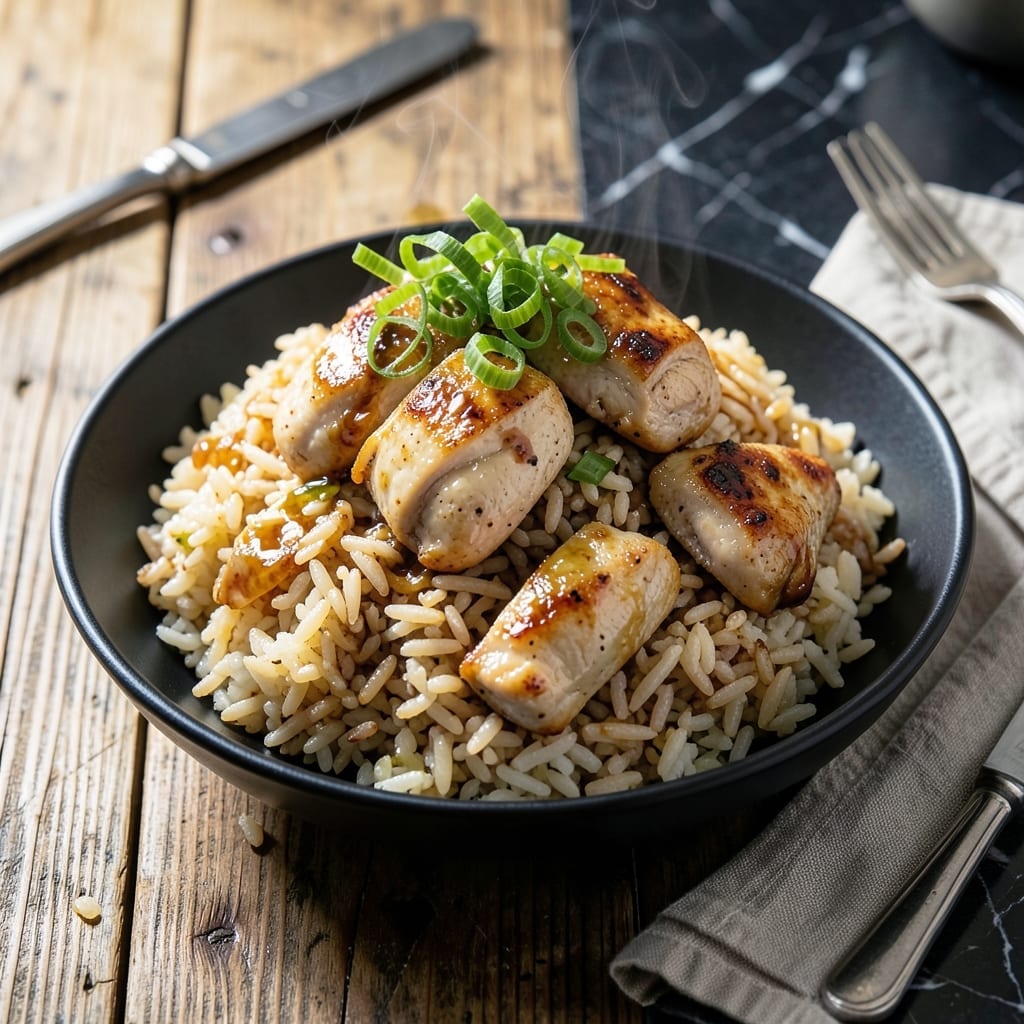
There’s a reason Japanese home cooks swear by this style of fried rice—it delivers umami-packed flavor in every bite. I’ve refined this method over years of testing, focusing on the perfect balance of savory, sweet, and smoky notes.
The secret lies in using day-old rice and a high-heat wok technique that creates that signature slightly crispy texture. A touch of soy sauce, mirin, and dashi builds layers of depth, while fresh scallions and a drizzle of sesame oil finish it.
You’ll end up with a dish that’s both comforting and complex—tender grains with just the right amount of chew, each bite bursting with rich, savory flavor. It’s the kind of meal that tastes like it came from a Tokyo kitchen.
Customize it with your choice of protein or vegetables, but keep the core technique the same. Here’s how to make it.
Ingredients for Miyabi Fried Rice
Day-old rice and bold Japanese flavors create a restaurant-worthy dish at home with these ingredients.
| Ingredient | Amount | Notes |
|---|---|---|
| Day-Old Cooked Rice 🍚 | 4 cups | Jasmine or short-grain preferred |
| Soy Sauce 🫙 | 3 tbsp | Low-sodium for control |
| Mirin 🍶 | 2 tbsp | Sweet cooking rice wine |
| Dashi Stock 🥣 | ½ cup | Or substitute chicken stock |
| Scallions 🧅 | 4 whole | Thinly sliced, green parts only |
| Sesame Oil 🫒 | 2 tsp | Toasted for aroma |
| Vegetable Oil 🫒 | 2 tbsp | High smoke point needed |
| Garlic Cloves 🧄 | 3 cloves | Minced for even flavor |
| Fresh Ginger 🌿 | 1 tbsp | Grated for zing |
| Carrot 🥕 | 1 whole | Small dice for texture |
| Frozen Peas 🌱 | ½ cup | Thawed before cooking |
| Large Eggs 🥚 | 2 whole | Beaten for scrambling |
| Boneless Chicken Thighs 🍗 | ½ lb | Diced into small pieces |
| Salt 🧂 | ½ tsp | Adjust to taste |
| Black Pepper 🌶️ | ¼ tsp | Freshly ground preferred |
The rice is non-negotiable—day-old, fully cooled rice fries up with that perfect texture. Jasmine or short-grain rice are traditional, but any leftover rice works if it’s dry. For dashi, instant dashi granules (like Hondashi) are a pantry staple at most Asian markets or the international aisle. The mirin is key for that sweet-savory balance, so avoid cheap imitations with added sugar.
No dashi? Chicken or vegetable stock with a pinch of MSG gets surprisingly close. Short on mirin? 1 tbsp sugar plus 1 tbsp water per tablespoon of mirin works in a pinch. The chicken can be swapped for shrimp or tofu—just pat it dry first so it browns properly. For extra umami, a splash of fish sauce (or vegan fish sauce) deepens the flavor without overpowering.
Prep everything before you start—the cooking moves fast once the wok heats up. Leftover fried rice keeps 3-4 days in the fridge and reheats beautifully. For best results, store in an airtight container and sprinkle with a little water before microwaving to refresh.
Why You’ll Love This Recipe
- One Pan Wonder: I just dump the day-old rice, soy sauce, and a splash of dashi into my wok—no prep, no fuss.
- Umami Bomb: The mirin and dashi hit that perfect sweet-savory balance I crave every single time.
- Weeknight Hero: Honestly, it’s my 15-minute dinner after soccer practice when the fridge is nearly bare.
- Zero Waste Win: I always use up leftover rice and wilted scallions, so nothing goes to waste.
Step-by-Step Instructions for Miyabi Fried Rice
Master the technique for this dish with precision timing and layering of flavors.
Step 1: Prepare and Cook the Protein and Aromatics
Heat 2 tbsp Vegetable Oil in a large wok or skillet over medium-high heat. Add the 0.5 lb Boneless Chicken Thighs diced into small pieces, seasoned with 0.5 tsp Salt and 0.25 tsp Black Pepper. Cook for 4-5 minutes until lightly browned and cooked through.
Push the chicken to one side and add the 3 cloves Garlic Cloves minced, 1 tbsp Fresh Ginger grated, and 4 whole Scallions thinly sliced. Stir-fry for 30-45 seconds until the aromatics release their fragrance. Remove everything from the pan and set aside.
Step 2: Scramble the Eggs
In the same pan, add a bit more Vegetable Oil if needed. Pour in the 2 whole Large Eggs beaten and scramble quickly over medium heat for 1-2 minutes until just set but still slightly runny.
Remove the eggs from the pan and add them to the chicken mixture. The residual heat will continue cooking the eggs, so don’t overcook them in the pan—this ensures they stay tender and blend seamlessly into the dish.
Step 3: Stir-Fry the Vegetables
Add the 1 whole Carrot small diced and 0.5 cup Frozen Peas thawed to the pan. Stir-fry for 2-3 minutes over medium-high heat until the carrots begin to soften and the peas are heated through.
The carrots should retain a slight bite for texture contrast. If the pan looks dry, add a splash of Dashi Stock to deglaze and prevent sticking while building layers of flavor.
Step 4: Combine and Season the Fried Rice
Add the 4 cups Day-Old Cooked Rice to the pan, breaking up any clumps with your spatula. Pour in the 3 tbsp Soy Sauce, 2 tbsp Mirin, and remaining 0.5 cup Dashi Stock. Stir-fry for 3-4 minutes until the rice is heated through and evenly coated.
The rice should be slightly crispy in spots, absorbing all the liquid. Return the chicken, eggs, and aromatics to the pan, then drizzle with 2 tsp Sesame Oil. Toss everything together for 1-2 minutes until fully integrated and glossy.
Pro Tips For Making Miyabi Fried Rice
- Use Cold Rice: Day-old rice from the fridge works best—it’s drier and fries up fluffier. I learned this the hard way after making mushy fried rice with fresh rice.
- High Heat Only: Crank the heat to max and keep the rice moving. After burning two batches, I finally figured out that medium heat just steams the rice instead of frying it.
- Pre-Mix Sauces: Combine the soy sauce, mirin, and dashi stock in a small bowl before cooking. Sounds weird, but it works—no frantic measuring while the rice is in the pan.
- Slice Scallions Thin: Cut them on a sharp diagonal for better texture and distribution. My grandmother swore by this, and she was right: it makes every bite more flavorful.
Creative Variations of This miyabi fried rice
Kimchi Spicy Twist
Add ½ cup chopped kimchi with the vegetables for a tangy, spicy kick. I also mix in 1 tbsp gochujang with the soy sauce for extra heat. The fermentation adds complexity that pairs perfectly with the umami base. 🌶️
Seafood Luxe Version
Swap chicken for ½ lb shrimp or scallops, cooking them just until opaque (2-3 minutes). A splash of 1 tsp fish sauce enhances the oceanic flavors. Garnish with nori strips for a restaurant-worthy touch.
Vegetarian Delight
Replace chicken with 1 cup cubed tofu (pressed and dried). Add ½ cup shiitake mushrooms with the carrots for meaty texture. A sprinkle of toasted sesame seeds finishes it beautifully.
Pineapple Sweetness
Stir in ½ cup diced pineapple with the peas for a Hawaiian-inspired twist. The sweetness balances the savory soy perfectly. I love how the juicy bits contrast with the crispy rice. 💛
Curry Powder Fusion
Add 1 tsp Japanese curry powder when cooking the aromatics. This warm, fragrant variation reminds me of Tokyo street food. A dollop of tonkatsu sauce on top takes it over the top.
Breakfast Style
Double the eggs and add ½ cup diced bacon. Cook the bacon first, then use the rendered fat to fry the rice. The smoky-salty combo is unbeatable for brunch.
Nutrition Facts
Frequently Asked Questions
Can I use freshly cooked rice instead of day-old?
Day-old rice works best because it’s drier. Fresh rice is too moist and will turn mushy when stir-fried. If you must, spread freshly cooked rice on a baking sheet to dry for 30 minutes in the fridge first.
What’s the best way to reheat leftovers?
Sprinkle with 1-2 tsp water and microwave covered for 1-2 minutes. For crispier results, reheat in a skillet over medium heat with a little oil, stirring occasionally.
Can I make this gluten-free?
Swap regular soy sauce for tamari and ensure your dashi is gluten-free. All other ingredients are naturally gluten-free. Double-check labels to be safe.
Why does my fried rice turn out soggy?
This usually happens from overcrowding the pan or using too much sauce. Cook in batches if needed and let the rice crisp up before adding liquids. Also, make sure your pan is very hot before adding ingredients.

- Peri Peri Rice Recipe: Spicy Portuguese One-Pot Harmony - November 6, 2026
- Mexican Flavoured Rice Recipe: Authentic Spice-Infused One-Pot Meal - November 6, 2026
- Lao Gan Ma Fried Rice Recipe: Spicy Wok-Tossed Perfection - November 6, 2026