
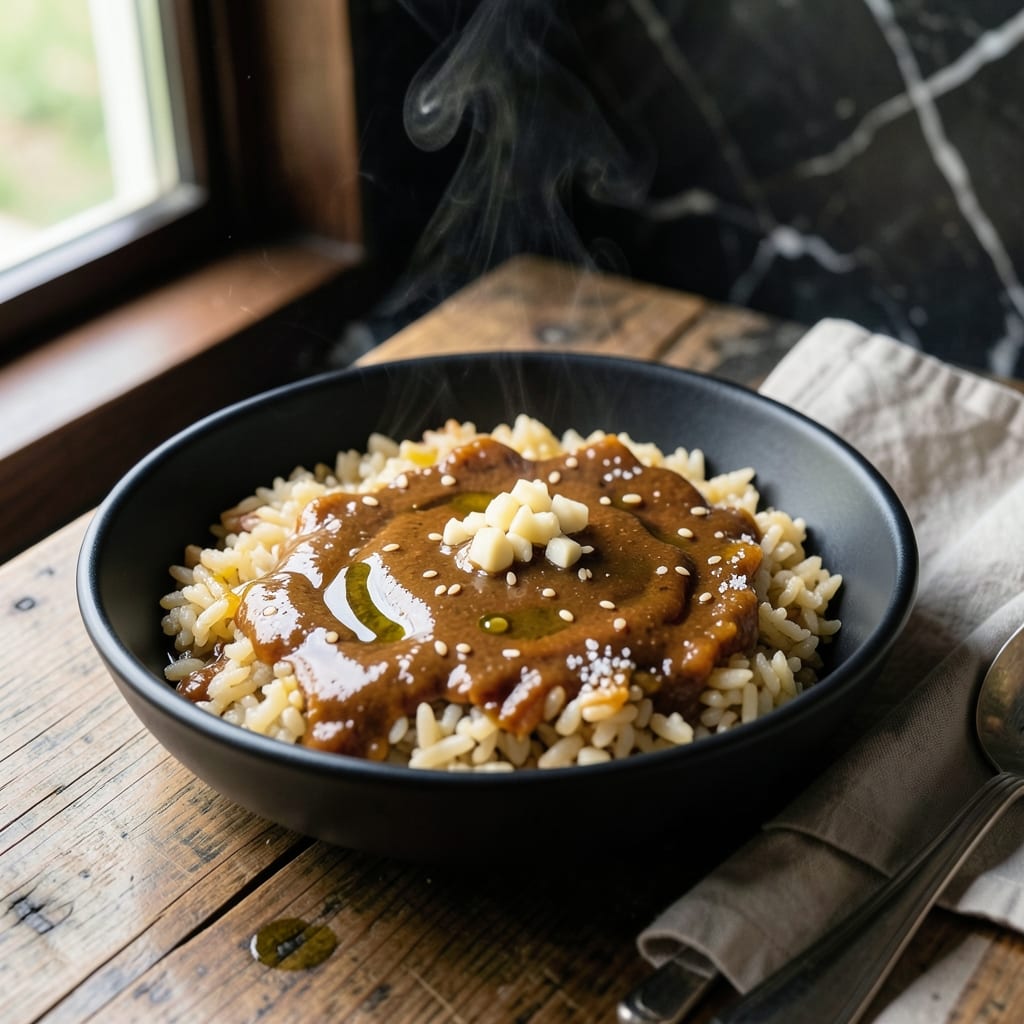
This sauce transforms ordinary fried rice into a restaurant-quality dish with its deep, complex umami flavor. I developed this blend after years of perfecting wok techniques at my Atlanta kitchen.
The combination of soy sauce, oyster sauce, and aromatic seasonings creates a perfectly balanced base. It’s the secret weapon that ties all the ingredients together without overpowering them.
Use this as your foundation for any fried rice variation. The sauce clings to each grain, delivering consistent flavor in every bite.
Make a batch to keep on hand for quick weeknight meals. It stores well and maintains its bold character for weeks.
Ingredients for Pork Fried Rice Sauce
Nine ingredients. Deep, complex umami in every drop. Restaurant-quality at home.
| Ingredient | Amount | Notes |
|---|---|---|
| Low-Sodium Soy Sauce 🫒 | ½ cup | For balanced saltiness |
| Oyster Sauce 🐚 | ¼ cup | Essential for umami depth |
| Sesame Oil 🫒 | 1 tbsp | Toasted variety preferred |
| Rice Vinegar 🍚 | 2 tbsp | Balances the richness |
| Granulated Sugar 🍚 | 1 tbsp | Rounds out the flavors |
| Minced Garlic 🧄 | 2 tbsp | Freshly minced for best aroma |
| Minced Ginger 🌿 | 1 tbsp | Freshly grated recommended |
| Ground White Pepper 🌶️ | ½ tsp | Authentic wok flavor |
| Chinese Five-Spice Powder 🌿 | ¼ tsp | Warm aromatic complexity |
The oyster sauce is non-negotiable here—Lee Kum Kee or Maekrua are my go-tos. You’ll find them in the Asian aisle at any Kroger or Publix in Atlanta. Soy sauce should be low-sodium to keep the salt in check, but don’t skip the full-fat oyster sauce (that’s where the magic lives). Sesame oil? Always toasted—the dark, nutty kind. If you’re at Buford Highway, grab it from one of the Korean markets for the freshest stuff.
No oyster sauce? Vegan oyster sauce or hoisin works in a pinch (though the flavor shifts slightly). Out of rice vinegar? Apple cider vinegar at half the amount—it’s sharper, so go easy. The ginger and garlic must be fresh (those jars just don’t cut it). Want more heat? A pinch of red pepper flakes won’t hurt. Short on five-spice? A dash of cinnamon plus star anise can fake it.
This keeps for 3-4 weeks in the fridge—just give it a shake before using. For longer storage, freeze in ice cube trays (perfect for single servings). The flavors actually deepen over time, so make a double batch. Always use a clean spoon to avoid contamination.
Why You’ll Love This Recipe
- 5-Minute Mix: I just whisk these five ingredients together—no cooking, no fuss, and it’s ready before the rice even finishes reheating.
- Umami Bomb: The oyster sauce and soy sauce combo hits that salty-sweet depth I crave, while sesame oil adds this warm, nutty finish.
- Meal Prep Hero: Between us, this sauce keeps for a week, so I can prep it Sunday and toss with leftover rice and pork all week long.
- Pantry Staples: Honestly, I always have these bottles on hand, so it’s a last-minute lifesaver when I need dinner in a flash.
Step-by-Step Instructions for Pork Fried Rice Sauce
This method ensures balanced, complex flavors with minimal effort on your part.
Step 1: Bloom the Aromatics in Sesame Oil
Heat a small saucepan over medium-low heat and add the 1 tbsp Sesame Oil. I always use toasted sesame oil here—the nutty depth it adds is irreplaceable. Let it warm for 30 seconds until it becomes fragrant but doesn’t smoke.
Add the 2 tbsp Minced Garlic and 1 tbsp Minced Ginger to the oil. Stir constantly for 1-2 minutes until the garlic turns light golden brown and the ginger releases its pungent aroma. Don’t let the garlic darken too much or it will turn bitter. This blooming step unlocks the full potential of your aromatics.
Step 2: Combine the Liquid Foundation
Pour in the 0.5 cup Low-Sodium Soy Sauce and 0.25 cup Oyster Sauce. The soy sauce provides the salty backbone, while the oyster sauce contributes that essential umami depth that makes this sauce so addictive. Stir well to combine.
Add the 2 tbsp Rice Vinegar and 1 tbsp Granulated Sugar. The vinegar’s acidity will brighten all the other flavors, while the sugar rounds out the sharp edges. Bring the mixture to a gentle simmer over medium heat.
Step 3: Incorporate the Spice Blend
Sprinkle in the 0.5 tsp Ground White Pepper and 0.25 tsp Chinese Five-Spice Powder. The white pepper delivers that authentic wok flavor, while the five-spice adds warm, aromatic complexity. Stir vigorously to ensure these dry ingredients fully dissolve.
Here’s the thing—these spices need a moment to bloom in the warm liquid. Let the sauce simmer gently for 3-4 minutes so the flavors meld completely. You’ll notice the sauce darken slightly and become more fragrant as the spices infuse.
Step 4: Reduce and Concentrate the Flavors
Reduce the heat to low and let the sauce simmer uncovered for 8-10 minutes. This reduction step is crucial—it concentrates all those beautiful flavors into a sauce that will properly coat your fried rice without making it soggy.
The sauce should thicken slightly, coating the back of a spoon, and develop a glossy sheen. Taste and adjust the balance if needed, though with these proportions, it should be perfect. Remove from heat and let it cool slightly before using—it will thicken a bit more as it cools.
Pro Tips For Making Pork Fried Rice Sauce
- Bloom the Sauces: Heat the oyster sauce and soy sauce together in the pan for 30 seconds before adding other ingredients—this deepens the flavor and prevents a raw, thin taste.
- Balance the Sugar: Dissolve the granulated sugar in the rice vinegar first; it distributes evenly and stops those annoying undissolved grains from sticking to the pork.
- Skip the Over-Reduce: I learned this the hard way—pull the sauce off the heat as soon as it coats the back of a spoon, or it’ll turn gluey and overpower the dish.
- Finish with Sesame: Stir in the sesame oil at the very end, off the heat. Adding it early makes it bitter—sounds weird, but it works.
Creative Variations of These Flavors
Thai Basil Twist
Add ¼ cup finely chopped Thai basil and 1 tbsp fish sauce to the base recipe. This variation brings bright, herbal notes that pair beautifully with pork. The fish sauce intensifies the umami while the basil adds freshness. 🌿
Spicy Sichuan Style
Stir in 1 tbsp chili garlic sauce and ½ tsp Sichuan peppercorns (lightly crushed). This creates a numbing heat that’s authentic to Sichuan cuisine. I use Lee Kum Kee chili garlic sauce for consistent quality.
Sweet & Tangy
Replace the sugar with 2 tbsp honey and add 1 tbsp lime juice. This variation works wonderfully with char siu pork. The honey adds depth while the lime brightens the overall profile.
Mushroom Umami Bomb
Simmer ½ cup finely minced shiitake mushrooms in the sauce for 5 minutes before using. This adds an extra layer of earthy umami. I often use dried shiitakes, rehydrated and minced, for more concentrated flavor.
Citrus Ginger Zing
Increase ginger to 2 tbsp and add 1 tsp orange zest. The citrus lifts the richness, making it perfect for lighter pork dishes. Use a microplane for the finest zest texture. ✨
Smoky BBQ Fusion
Mix in 1 tbsp smoked paprika and 1 tsp liquid smoke. This variation nods to my Southern roots while keeping the Asian essence. Great for grilled pork fried rice.
Nutrition Facts
Frequently Asked Questions
How long does the sauce last in the fridge?
It stays fresh for 3-4 weeks when stored in an airtight container. The flavors actually deepen over time, making it taste even better after a few days.
Can I make this sauce gluten-free?
Yes! Swap soy sauce for tamari and ensure your oyster sauce is labeled gluten-free. Most Asian markets carry these alternatives.
Why does my sauce taste too salty?
You may have used regular soy sauce instead of low-sodium. To fix, add 1 tsp sugar or a splash of vinegar to balance the saltiness.
Should I add the sauce before or after cooking the rice?
Add it at the end to preserve its bold flavors. Cook your pork and rice first, then stir in the sauce during the final 1-2 minutes of cooking.

- Jollof Rice Sauce Recipe: West African Tomato and Spice Infusion - September 25, 2026
- Japanese Rice Soup Recipe: Umami-Rich Comfort in a Bowl - September 25, 2026
- Homemade Cream Of Rice Recipe: Silk-Smooth Breakfast in Minutes - September 25, 2026