
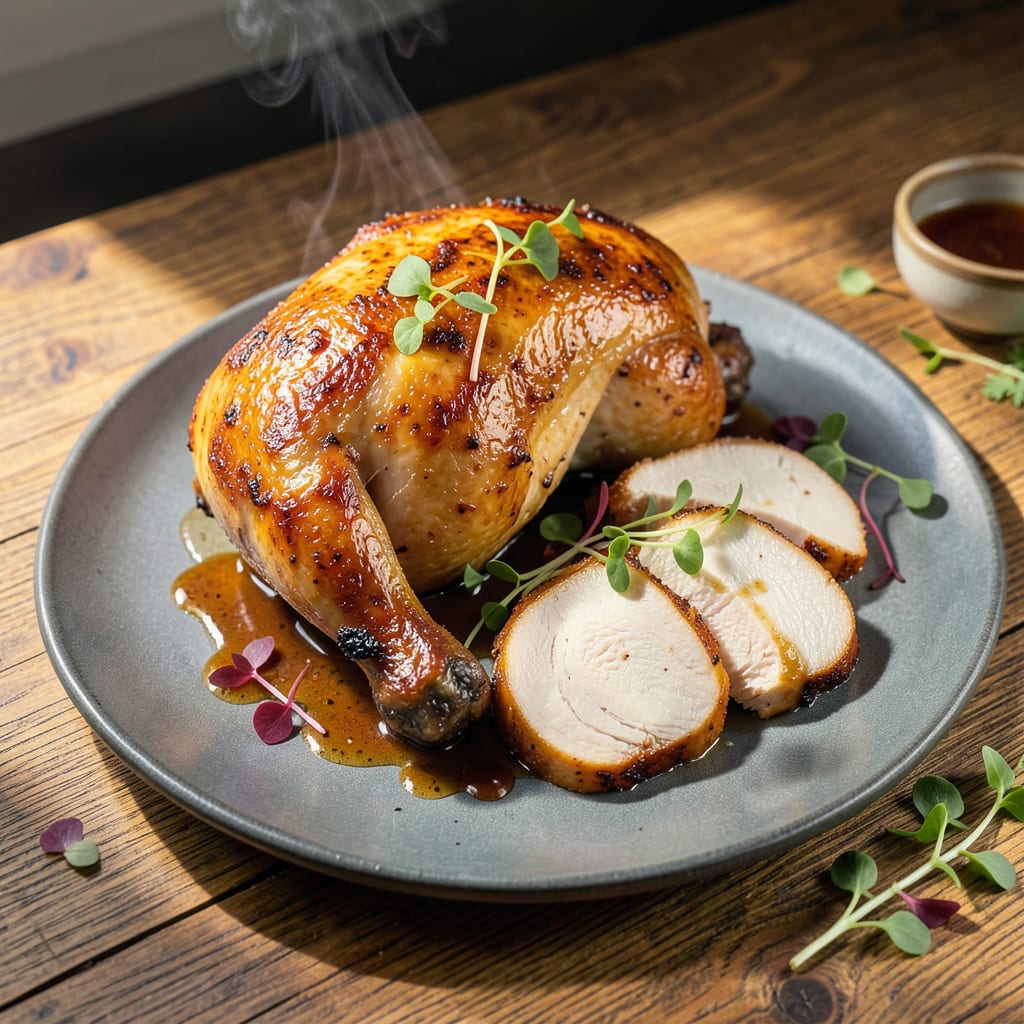
The chicken thigh stands out as the best part for its perfect balance of rich, juicy flavor and tender texture, thanks to higher fat content and connective tissue that breaks down beautifully when cooked. Versatile for grilling, braising, or frying, it stays moist even if slightly overcooked.
I’ve tested every cut, and thighs consistently deliver the most satisfying eating experience. The secret lies in their marbling—that intramuscular fat that bastes the meat from within as it cooks. Unlike leaner cuts that dry out quickly, thighs maintain their succulence whether you’re doing a quick weeknight stir-fry or a slow Sunday braise. 🔥
What really sets thighs apart is their forgiveness in the kitchen. You can push them 10-15°F beyond perfect doneness and they’ll still taste incredible, while breasts turn to sawdust with the slightest overcooking. This makes thighs ideal for beginners and busy cooks who need reliable results every time. ✨
💡 In This Article
- Why Chicken Thighs Outperform Other Cuts in Flavor and Texture
- Top 5 Ways to Cook Chicken Thighs for Maximum Potential
Why Chicken Thighs Outperform Other Cuts in Flavor and Texture
The magic of chicken thighs starts with their fat composition—they contain about 10-12% fat compared to just 1-2% in breasts. This intramuscular fat (marbling) melts during cooking at around 160°F, continuously basting the meat from within. Unlike breasts that rely on external moisture, thighs self-baste, creating that signature juiciness that makes every bite satisfying.
The fat also carries flavor compounds, amplifying the natural chicken taste. 🔥
Collagen content sets thighs apart from other cuts. They contain 3-5 times more connective tissue than breasts, which breaks down into gelatin when cooked low and slow (ideally between 165-195°F). This transformation creates a silky mouthfeel and rich body that leaner cuts simply can’t match.
Think of it like built-in sauce—when you braise thighs for 1.5-2 hours, that collagen renders into liquid gold that coats each fiber. ✨
The muscle structure explains why thighs stay tender even when slightly overcooked. Thigh muscles are dark meat with more myoglobin (the protein that gives them their color), which helps retain moisture. These muscles work harder during the chicken’s life, developing more elastic fibers that resist toughening.
While a breast becomes dry at 165°F, thighs remain luscious up to 185°F—giving you a 20°F forgiveness window. 💛
Chefs consistently choose thighs for their flavor depth. The higher fat content acts as a flavor magnet, absorbing marinades and spices more effectively than lean cuts. When seared, the fat renders out and creates fond (those delicious browned bits), which forms the base for incredible pan sauces.
This is why thighs shine in global cuisines—from Japanese karaage to Moroccan tagines—they carry complex flavors beautifully. 🌟
Texture contrasts make thighs particularly satisfying. The skin crisps perfectly when cooked at 375-425°F (thanks to that fat layer), while the meat underneath stays juicy. Compare this to wings where you get mostly skin and bone, or breasts that often turn mealy. The thigh’s ratio of skin-to-meat-to-bone is ideal for both presentation and eating experience.
💫
Nutritional analysis reveals thighs offer more than just great taste. They provide 25% more iron and 30% more zinc than breasts, along with higher levels of B vitamins. The fat in thighs is also more stable for high-heat cooking than the polyunsaturated fats found in chicken skin, making them healthier for frying applications.
This nutritional profile explains why traditional cultures worldwide have prized thigh meat for centuries. ⚡
What most home cooks don’t realize is that thighs actually cost less per pound than breasts in most markets, despite offering superior eating quality. This price-to-value ratio comes from consumer misperceptions about “healthy” lean meat.
Smart shoppers and professional chefs know thighs deliver more flavor, better texture, and greater cooking flexibility—all at a lower price point. That’s what I call a culinary win-win. 💥

- Jollof Rice Sauce Recipe: West African Tomato and Spice Infusion - September 25, 2026
- Japanese Rice Soup Recipe: Umami-Rich Comfort in a Bowl - September 25, 2026
- Homemade Cream Of Rice Recipe: Silk-Smooth Breakfast in Minutes - September 25, 2026