
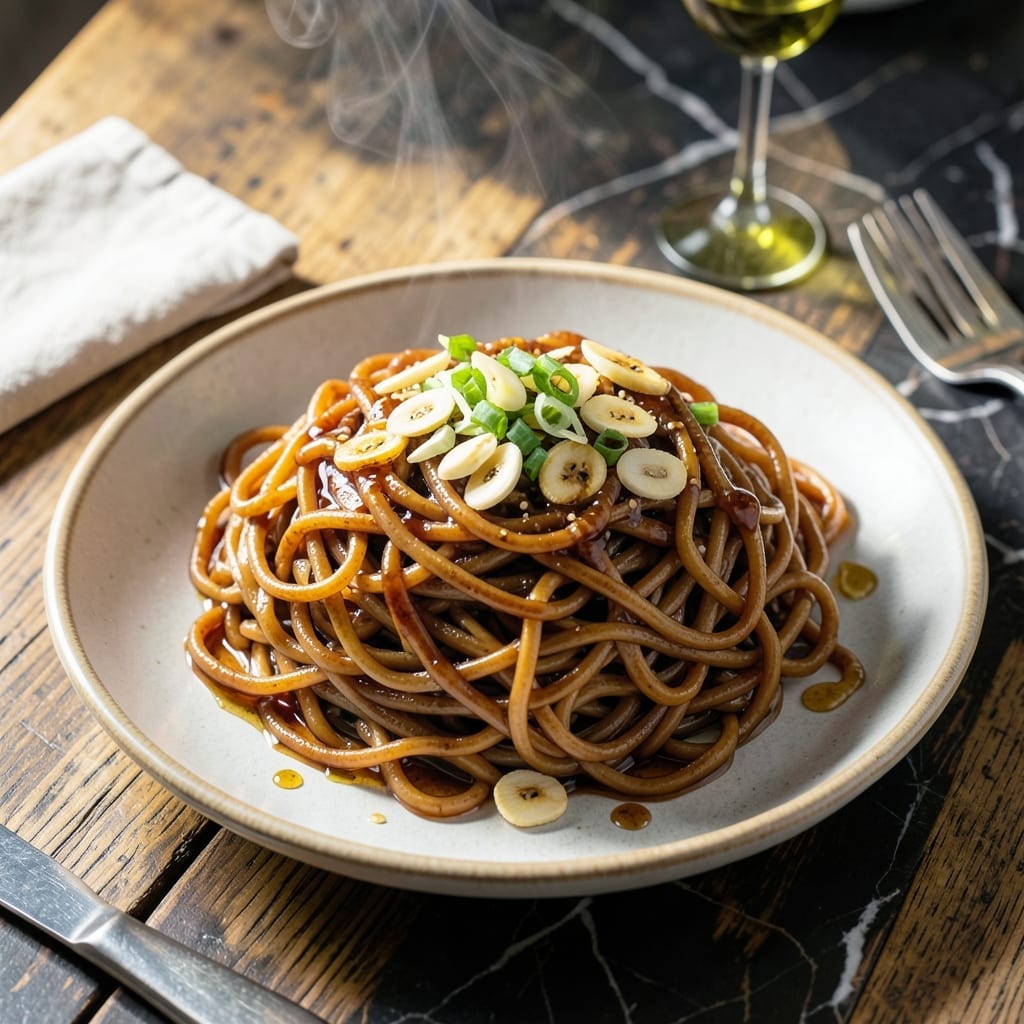
This brown rice noodle dish delivers gluten-free satisfaction without sacrificing flavor or texture. After years of testing various noodle types, I developed this method for achieving perfectly tender yet chewy results every time.
The key is pre-soaking the noodles before cooking, which prevents them from turning mushy. A hot wok and quick tossing ensure even cooking and maximum flavor absorption from the sauce and vegetables.
You’ll end up with a dish that’s as satisfying as traditional wheat noodles—savory, aromatic, and packed with texture. The noodles hold up beautifully to bold sauces and fresh vegetables, making it a versatile base for any meal.
Perfect for weeknight dinners or impressive enough for guests. Here’s how to make it right.
Ingredients for Brown Rice Noodle
Gluten-free noodles meet vibrant vegetables and bold sauce for a wok-tossed masterpiece.
| Ingredient | Amount | Notes |
|---|---|---|
| Brown Rice Noodles 🍜 | 8 oz | Dried, gluten-free verified |
| Tamari Sauce 🥢 | 3 tbsp | Gluten-free soy alternative |
| Sesame Oil 🫒 | 1 tbsp | Toasted for depth of flavor |
| Rice Vinegar 🍚 | 1 tbsp | Unseasoned variety preferred |
| Maple Syrup 🍁 | 1 tbsp | Vegan sweetener alternative |
| Garlic Cloves 🧄 | 4 cloves | Minced finely for sauce |
| Fresh Ginger Root 🌿 | 1 tbsp | Peeled and grated |
| Red Bell Pepper 🌶️ | 1 whole | Thinly sliced for texture |
| Carrots 🥕 | 2 whole | Julienned for even cooking |
| Green Onions 🧅 | 4 whole | Sliced thin, whites and greens separated |
| Cremini Mushrooms 🍄 | 8 oz | Sliced thinly for quick cooking |
| Sesame Seeds 🌰 | 1 tbsp | Toasted for garnish |
| Red Pepper Flakes 🔥 | ½ tsp | Adjust to heat preference |
| Cornstarch 🌾 | 1 tsp | For thickening sauce if needed |
The brown rice noodles are non-negotiable here—look for the gluten-free certification on the package to avoid cross-contamination. Lotus Foods or Tinkyada brands are reliable and widely available at Whole Foods or natural grocers. The tamari sauce must also be gluten-free (many soy sauces contain wheat), and San-J makes an excellent version. For the vegetables, organic produce ensures no unwanted additives in your dish.
No tamari? Coconut aminos work in a pinch (use one-third less due to saltiness). Swap red bell pepper for any color, or use snap peas for crunch. Mushrooms not your thing? Zucchini or cabbage hold up well to stir-frying. The maple syrup can be replaced with agave nectar, but avoid honey to keep it strictly vegan. Fresh ginger is ideal, but ground ginger at half the amount works if necessary.
Pre-soaked noodles can sit in water for up to 30 minutes before cooking. Store leftovers in an airtight container for 4-5 days in the fridge. The dish reheats well in a dry pan over medium heat—add a splash of water to refresh the noodles if needed.
Why You’ll Love This Recipe
- One Pot Wonder: I just boil the noodles, toss with tamari and sesame oil, and we’re eating. No extra pans, no fuss.
- Sweet-Savory Balance: The maple syrup and rice vinegar hit that spot—sweet with a tangy kick that keeps me reaching for more.
- Meal Prep Magic: I make a big batch on Sunday and it tastes even better cold for lunches all week.
- Budget Friendly: Brown rice noodles and pantry staples mean I spend less than ten dollars for four servings.
Step-by-Step Instructions for Brown Rice Noodle Stir-Fry
Master the wok technique for perfectly textured noodles and vibrant vegetables in every bite.
Step 1: Prepare the Noodles and Sauce Base
Cook the 8 oz Brown Rice Noodles according to package instructions until al dente. Drain immediately and rinse under cold water to stop the cooking process and prevent sticking. I always reserve ¼ cup of the cooking water for adjusting the sauce consistency later.
While the noodles cook, whisk together the 3 tbsp Tamari Sauce, 1 tbsp Sesame Oil, 1 tbsp Rice Vinegar, 1 tbsp Maple Syrup, and 1 tsp Cornstarch in a small bowl. This creates a balanced, glossy sauce that clings beautifully to the noodles. The cornstarch ensures a velvety texture rather than a thin, watery consistency.
Step 2: Stir-Fry the Aromatics and Vegetables
Heat a wok or large skillet over high heat until a drop of water sizzles and evaporates immediately. Add the remaining 1 tbsp Sesame Oil (if you haven’t used it all in the sauce) and swirl to coat. Add the minced 4 cloves Garlic Cloves and grated 1 tbsp Fresh Ginger Root, stirring constantly for 30 seconds until fragrant but not browned.
Immediately add the thinly sliced 1 whole Red Bell Pepper, julienned 2 whole Carrots, and sliced 8 oz Cremini Mushrooms. Stir-fry for 4-5 minutes until the vegetables are tender-crisp and the mushrooms release their moisture. The high heat should create a slight char on the edges for depth of flavor.
Step 3: Combine Noodles and Vegetables with Sauce
Add the cooked and drained Brown Rice Noodles to the wok along with the whites of the 4 whole Green Onions. Pour the sauce mixture over everything and toss vigorously with tongs for 2-3 minutes until the noodles are evenly coated and the sauce thickens slightly.
If the mixture seems dry, add a splash of the reserved noodle cooking water, 1 tablespoon at a time, until it reaches your desired consistency. The sauce should glaze the noodles without pooling at the bottom of the wok. Taste and adjust seasoning if needed, though the tamari should provide sufficient saltiness.
Step 4: Finish with Garnishes and Serve
Remove the wok from heat and stir in the 0.5 tsp Red Pepper Flakes for a subtle kick of heat. Sprinkle the sliced greens of the 4 whole Green Onions and 1 tbsp Sesame Seeds over the top, reserving a pinch of sesame seeds for garnish.
Transfer to a serving platter and garnish with the remaining sesame seeds. The dish should have a vibrant color contrast between the deep brown noodles, bright vegetables, and the dark flecks of sesame. Serve immediately while the noodles are still slightly chewy and the vegetables retain their crispness.
Pro Tips For Making Brown Rice Noodle
- Soak the Noodles: Brown rice noodles can turn gummy if cooked straight from the package—I learned this the hard way. Soak them in warm water for 5-7 minutes before boiling to guarantee even cooking.
- Warm the Tamari: Sounds weird, but it works: gently heat the tamari sauce with the sesame oil and maple syrup before tossing with noodles. It blends better and coats every strand.
- Skip the Overcook: These noodles go from perfect to mush in seconds. Pull them off the heat when they’re just tender, then rinse under cold water to stop the cooking.
- Toss While Warm: The noodles drink up the sauce best when they’re still warm. I used to wait and wondered why my dish tasted bland—mix everything together right after draining.
Common Mistakes When Making brown rice noodle
Overcooking the Noodles
Brown rice noodles turn mushy fast. I always pull them from the water 1-2 minutes before full doneness since they’ll finish cooking in the wok. Test frequently and remember they continue softening as they cool. 💡
Skipping the Pre-Soak
These noodles need a 10-minute soak in warm water before boiling to prevent uneven cooking. I learned this the hard way after many batches of crunchy centers. Just cover them in hot tap water while you prep your vegetables.
Overcrowding the Wok
Cook in batches if needed. A crowded wok steams instead of stir-frying, leaving you with soggy vegetables. I use my 14-inch wok for this recipe to give everything room to sizzle properly.
Sauce Separation
Always mix your sauce ingredients before adding to the wok. The cornstarch needs to be fully dissolved in the tamari and maple syrup to prevent clumping. I whisk vigorously for 30 seconds to ensure a smooth texture.
Cold Ingredients
Room temperature ingredients cook more evenly. I take my tamari sauce and sesame oil out of the fridge 15 minutes before starting. This small step makes a noticeable difference in flavor absorption.
Ignoring the Garnish
The green onions and sesame seeds aren’t just for looks—they add freshness and crunch. I toast my sesame seeds in a dry pan for 1-2 minutes until fragrant before sprinkling them on top. 🔥
Nutrition Facts
Frequently Asked Questions
Do I need to soak the noodles first?
Yes, a 10-minute soak in warm water prevents uneven cooking. Skipping this step often results in crunchy centers and mushy outsides.
Can I use regular soy sauce instead of tamari?
Only if gluten isn’t a concern. Tamari is gluten-free, while most soy sauces contain wheat. For a safe alternative, try coconut aminos using one-third less.
How do I prevent the noodles from sticking?
Rinse them under cold water immediately after draining. Use a well-heated wok with enough oil, and toss frequently during cooking.
What if my sauce is too thin?
Mix 1 tsp cornstarch with 1 tbsp cold water and stir into the wok. Cook for 1-2 minutes until thickened.

- Jollof Rice Sauce Recipe: West African Tomato and Spice Infusion - September 25, 2026
- Japanese Rice Soup Recipe: Umami-Rich Comfort in a Bowl - September 25, 2026
- Homemade Cream Of Rice Recipe: Silk-Smooth Breakfast in Minutes - September 25, 2026