
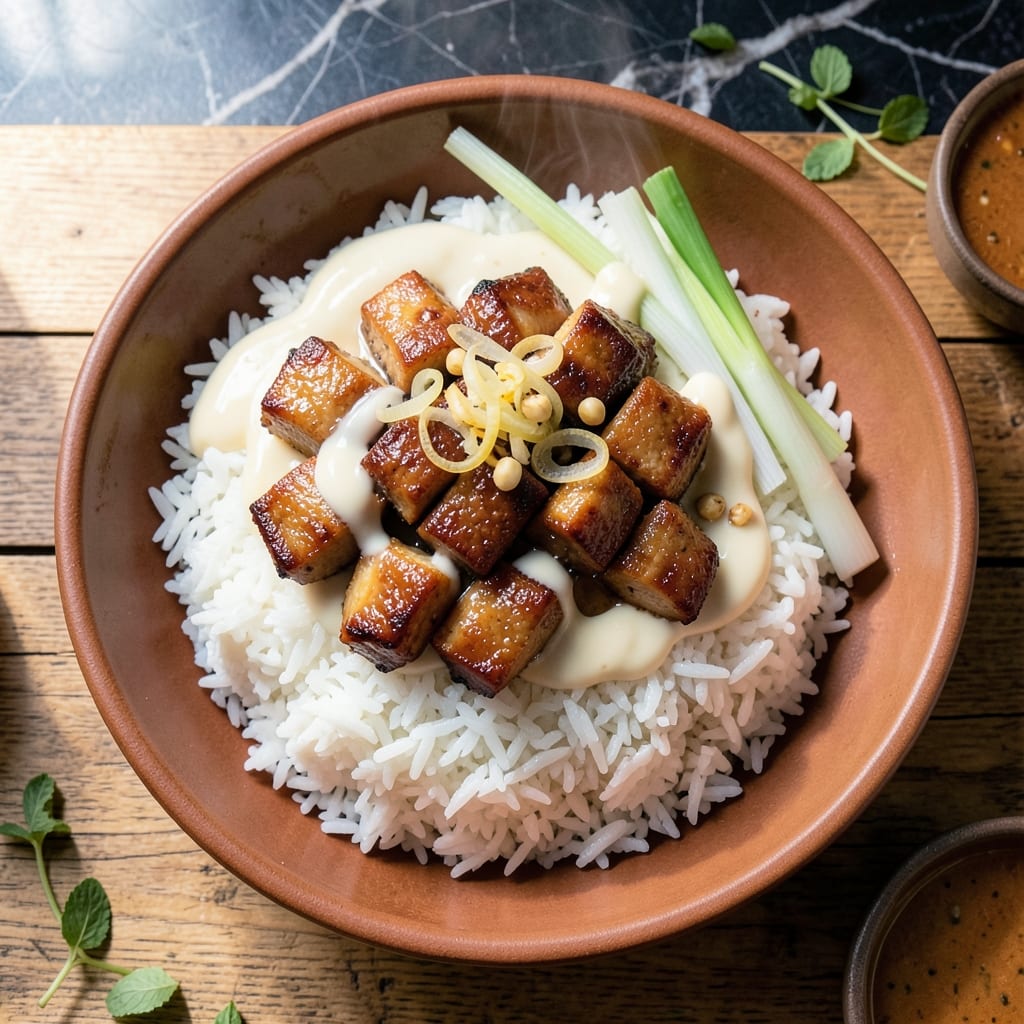
This Cambodian dish brings together tender pork and fluffy rice in a fragrant symphony of lemongrass and coconut. The combination of fresh herbs and rich spices creates a balanced flavor profile that’s both comforting and exotic.
I developed this recipe to capture the authentic taste of Cambodia, using simple techniques that home cooks can easily master. The pork is marinated in a blend of lemongrass, garlic, and coconut milk, ensuring every bite is packed with depth.
The rice absorbs the aromatic broth, making it fragrant and slightly sticky, perfect for soaking up the sauce. This dish is a celebration of bold flavors and cultural tradition, served family-style for sharing.
Ready in under 1 hour, it’s a satisfying meal that transports you to Southeast Asia with every mouthful.
Ingredients for Cambodian Pork and Rice
Tender pork, fragrant rice, and bold herbs come together for a taste of Cambodia.
| Ingredient | Amount | Notes |
|---|---|---|
| Pork Shoulder 🍖 | 1 ½ lb | Cut into bite-sized pieces |
| Jasmine Rice 🍚 | 2 cups | Uncooked, rinsed well |
| Lemongrass Stalks 🌿 | 3 whole | Bruised, cut into 3-inch pieces |
| Coconut Milk 🥥 | 1 can | Full-fat for richness |
| Garlic Cloves 🧄 | 6 cloves | Minced for marinade |
| Shallots 🧅 | 3 whole | Thinly sliced |
| Fish Sauce 🫒 | 3 tbsp | For umami depth |
| Palm Sugar 🧈 | 2 tbsp | Or substitute brown sugar |
| Fresh Kaffir Lime Leaves 🍃 | 5 whole | Torn, for aroma |
| Thai Chili Peppers 🌶️ | 2 whole | Sliced, adjust to taste |
| Fresh Cilantro 🌿 | ½ cup | Chopped, for garnish |
| Fresh Thai Basil 🌿 | ½ cup | Loosely packed leaves |
| Vegetable Oil 🫒 | 2 tbsp | For sautéing pork |
| Water 💧 | 2 cups | For cooking rice |
| Salt 🧂 | 1 tsp | To taste |
The pork is the star here. Pork shoulder gives you that melt-in-your-mouth texture—avoid lean cuts like tenderloin. Asian markets often have pre-cut pieces, or grab a whole shoulder from Costco and cube it yourself. The lemongrass is non-negotiable (frozen works in a pinch). Look for vibrant green stalks at the store—avoid any that are dried out or brown.
No fish sauce? Soy sauce with a pinch of sugar gets you close. Missing kaffir lime leaves? Lime zest plus a bay leaf works. Thai basil is ideal, but regular basil or mint can stand in. Palm sugar can be tricky to find—brown sugar or coconut sugar are great substitutes. The chili peppers add heat, but you can skip them if you prefer a milder dish.
This keeps well—actually tastes better the next day once the flavors meld. Store leftovers in the fridge for up to 4 days or freeze for 3 months. Reheat gently to keep the pork tender.
Why You’ll Love This Recipe
- One Pot Magic: I toss everything—the pork, jasmine rice, lemongrass, and coconut milk—into one pot and let it simmer. No complicated steps, just set it and forget it.
- Aromatic Heaven: The lemongrass and garlic infuse the pork with this bright, citrusy depth that makes every bite irresistible. Honestly, it smells like a Cambodian kitchen in here.
- Meal Prep Hero: This dish tastes even better the next day, so I make a big batch for lunches. It reheats like a dream, and the flavors just deepen.
- Budget Stretcher: Pork shoulder is so affordable, and a little goes a long way with the rice and coconut milk. I feed my family of four without breaking the bank.
Step-by-Step Instructions for Cambodian Pork and Rice
Here’s the method I swear by for building layers of authentic Cambodian flavor.
Step 1: Marinate the Pork Shoulder
Cut the 1.5 lb Pork Shoulder into bite-sized pieces and place in a large bowl. Add the minced 6 cloves Garlic Cloves, 3 tbsp Fish Sauce, 2 tbsp Palm Sugar, and 1 tsp Salt. Use your hands to massage these into the pork until every piece is well coated.
The palm sugar should start dissolving into the fish sauce, creating a slightly sticky marinade. Let this sit for 15 minutes at room temperature. This short marinade time allows the flavors to penetrate without making the pork mushy.
Step 2: Sear and Simmer the Pork
Heat the 2 tbsp Vegetable Oil in a large pot or Dutch oven over medium-high heat. Add the 3 whole Shallots, sliced thin, and cook for 2 minutes until they begin to soften and turn translucent. This builds the aromatic base for your dish.
Add the marinated pork and cook for 5-7 minutes, stirring occasionally, until the pieces are browned on all sides. Pour in the 1 can Coconut Milk, then add the 3 whole Lemongrass Stalks, 5 whole Fresh Kaffir Lime Leaves (torn), and 2 whole Thai Chili Peppers (sliced). Reduce heat to low and let it simmer for 40 minutes, stirring occasionally.
The pork is done when it’s fork-tender and the coconut milk has reduced slightly, creating a rich, fragrant sauce.
Step 3: Cook the Jasmine Rice
While the pork simmers, rinse the 2 cups Jasmine Rice thoroughly under cold water until the water runs clear. This removes excess starch and ensures fluffy, separate grains. Drain well in a fine-mesh strainer.
Combine the rice and 2 cups Water in a medium saucepan. Bring to a boil over high heat, then reduce to low, cover, and simmer for 15 minutes. Remove from heat and let it sit, covered, for another 10 minutes. The rice should be tender and all the water absorbed.
Step 4: Finish and Garnish
Once the pork is tender, taste the sauce and adjust seasoning if needed. The flavors should be balanced—sweet from the palm sugar, salty from the fish sauce, and aromatic from the lemongrass and kaffir lime leaves. Remove the lemongrass stalks and lime leaves before serving.
Fluff the jasmine rice with a fork and divide it among shallow bowls. Spoon the pork and its rich coconut sauce over the rice. Garnish generously with the 0.5 cup Fresh Cilantro and 0.5 cup Fresh Thai Basil. The herbs add a fresh, bright finish to the dish.
Serve immediately while the pork is hot and the rice is steaming. The contrast of the tender pork, creamy coconut sauce, and fluffy rice makes every bite satisfying.
Pro Tips For Making Cambodian Pork And Rice
- Bruise the Lemongrass: Smash the lemongrass stalks with the side of your knife before adding them—this releases way more aroma than leaving them whole.
- Brown the Pork: Sear the pork shoulder in batches until deeply browned; it adds a rich base flavor that simmering in coconut milk can’t replicate.
- Use Full-Fat Coconut Milk: I learned this the hard way—light coconut milk makes the sauce thin and bland. Stick with full-fat for that creamy, rich texture.
- Rest Before Serving: Let the pork sit in the warm sauce for 10 minutes off the heat so it soaks up all that lemongrass-garlic flavor.
Dietary Considerations for This Recipe
Gluten-Free Friendly
This dish is naturally gluten-free, as it relies on rice and pork without any wheat-based ingredients. Always double-check your fish sauce label—some brands add wheat, but Red Boat or Three Crabs are safe gluten-free options. 💪
Dairy-Free and Vegan Adaptations
For a dairy-free version, simply stick to the original recipe—it contains no dairy. To make it vegan, swap pork for 1.5 lb mushrooms or tofu, and use soy sauce instead of fish sauce. The coconut milk keeps it rich and satisfying.
Low-Carb Option
Reduce the jasmine rice to ½ cup and bulk up your plate with extra pork and a side of steamed bok choy or green beans. This cuts carbs while keeping the dish flavorful and filling. You’ll still enjoy the aromatic sauce without the rice.
Allergen Awareness
Watch for shellfish allergies—some fish sauce brands are processed in facilities that handle shellfish. For a nut-free version, ensure your coconut milk is from a dedicated facility, like Native Forest or Thai Kitchen. 🌱
Sodium Considerations
Fish sauce is high in sodium, so if you’re monitoring intake, reduce it to 1 tbsp and supplement with 1 tbsp lime juice for acidity. Taste as you go—you can always add more, but you can’t take it out!
Paleo-Friendly Tweaks
This recipe aligns well with paleo guidelines if you skip the palm sugar or replace it with 1 tbsp honey. Use coconut aminos instead of fish sauce for a paleo-compliant umami boost.
Nutrition Facts
Frequently Asked Questions
Can I use a different cut of pork?
Yes, but pork shoulder is ideal for tenderness. Pork butt works similarly, while lean cuts like tenderloin may dry out. For best results, stick with well-marbled pieces that hold up to 40 minutes of simmering.
What if I can’t find kaffir lime leaves?
Substitute with 1 tsp lime zest plus a bay leaf. While not identical, this adds the citrusy aroma that balances the coconut and lemongrass beautifully.
How do I know when the pork is done?
It’s ready when fork-tender and the coconut sauce has thickened slightly. The pork should pull apart easily after 40 minutes of simmering on low heat.
Can I make this ahead of time?
The flavors deepen overnight. Store in the fridge for up to 4 days or freeze for 3 months. Reheat gently to maintain the pork’s tenderness.

- Jollof Rice Sauce Recipe: West African Tomato and Spice Infusion - September 25, 2026
- Japanese Rice Soup Recipe: Umami-Rich Comfort in a Bowl - September 25, 2026
- Homemade Cream Of Rice Recipe: Silk-Smooth Breakfast in Minutes - September 25, 2026