
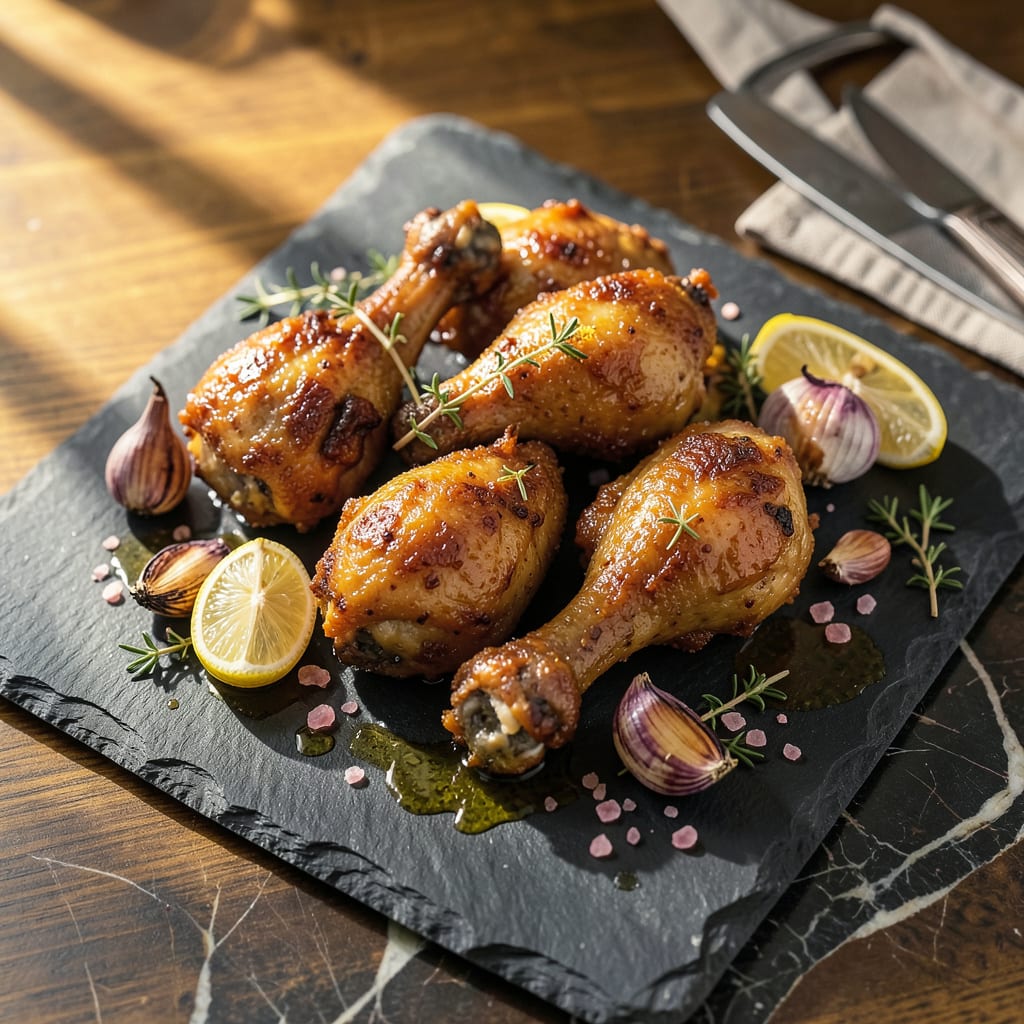
Yes, you can fry chicken without breading by relying on the skin’s natural crispiness. Pat the skin dry, season well, and fry at 350–375°F until golden and cooked through. The result is juicy meat with a crackling exterior.
This method unlocks a whole new level of flavor by letting the chicken’s natural textures shine. The secret lies in how the skin’s fat renders during frying, creating that coveted crunch without any coating. 🔥 I’ve found that bone-in, skin-on cuts like thighs work best—they stay moist while developing a deep golden crust. What’s fascinating is how the Maillard reaction (the same process that browns steaks) transforms the skin into something almost cracker-like when done right.
You’ll want to focus on two critical factors: moisture control and temperature consistency. Even a little dampness on the skin can sabotage crispiness, which is why I always air-dry the chicken uncovered in the fridge for an hour before cooking. And don’t skimp on the seasoning—salt not only flavors but also helps draw out excess moisture for maximum crunch. ✨
💡 In This Article
- Science Behind Crispy Skin Without Breading
- Step-by-Step Guide to Frying Naked Chicken Perfectly
Science Behind Crispy Skin Without Breading
The magic happens through three key processes: moisture evaporation, fat rendering, and the Maillard reaction. When chicken skin hits 350-375°F oil, water rapidly escapes as steam, creating microscopic pockets that later crisp up. Meanwhile, the fat beneath the skin melts and fries the skin from within, transforming it into a delicate, glass-like structure.
This is why thoroughly drying the skin beforehand is non-negotiable—any residual moisture creates steam barriers that soften instead of crisp. 🔥
The Maillard reaction kicks in around 300°F, where amino acids and reducing sugars in the skin undergo complex chemical changes. This produces over 100 different flavor compounds that give fried chicken its irresistible aroma and deep golden color.
Unlike breading that relies on starch for browning, naked chicken skin develops a more concentrated, meaty flavor profile. The reaction accelerates between 350-375°F, which is why maintaining precise oil temperature is critical—too low and you get greasy skin; too high and it burns before cooking through. ⚡
Seasoning plays a dual role beyond just flavor. Salt draws out surface moisture through osmosis when applied 12-24 hours ahead, while also breaking down proteins to create more browning sites. I’ve found that kosher salt (with its larger crystals) works better than table salt for this purpose.
The seasoning also forms a thin crust with the rendered fat, adding another layer of texture. This is why simply salted skin can develop more complex crispiness than unseasoned skin, even without breading. 💫
Temperature control becomes especially important with naked chicken because there’s no breading buffer. Dark meat like thighs (with ~10% fat) can handle 375°F beautifully, while leaner breasts benefit from slightly lower temps (350°F) to prevent drying.
The fat content in different cuts affects how aggressively the Maillard reaction occurs—thigh skin will darken faster than breast skin at the same temperature. This is why I always use a thermometer to monitor both oil and internal meat temps simultaneously. ✨
Here’s what most home cooks overlook: the resting period after frying is just as crucial as the cooking itself. As the chicken cools slightly, the skin continues to crisp up while the juices redistribute throughout the meat. Skipping this step (I recommend 5-10 minutes on a wire rack) means you’ll lose that final textural perfection.
The science shows that the skin actually becomes 15-20% crispier during this resting phase as residual moisture evaporates. 🌟
For comparison, breaded chicken relies on starch gelatinization and surface dehydration for crispiness, while naked chicken depends entirely on protein coagulation and fat rendering. This fundamental difference explains why naked fried chicken has a more delicate, shatter-like crispness compared to the thicker crunch of breaded versions.
The absence of breading also means the chicken flavor isn’t diluted by absorbant coatings—a bonus for purists who want the meat to shine. 💛

- Jollof Rice Sauce Recipe: West African Tomato and Spice Infusion - September 25, 2026
- Japanese Rice Soup Recipe: Umami-Rich Comfort in a Bowl - September 25, 2026
- Homemade Cream Of Rice Recipe: Silk-Smooth Breakfast in Minutes - September 25, 2026