
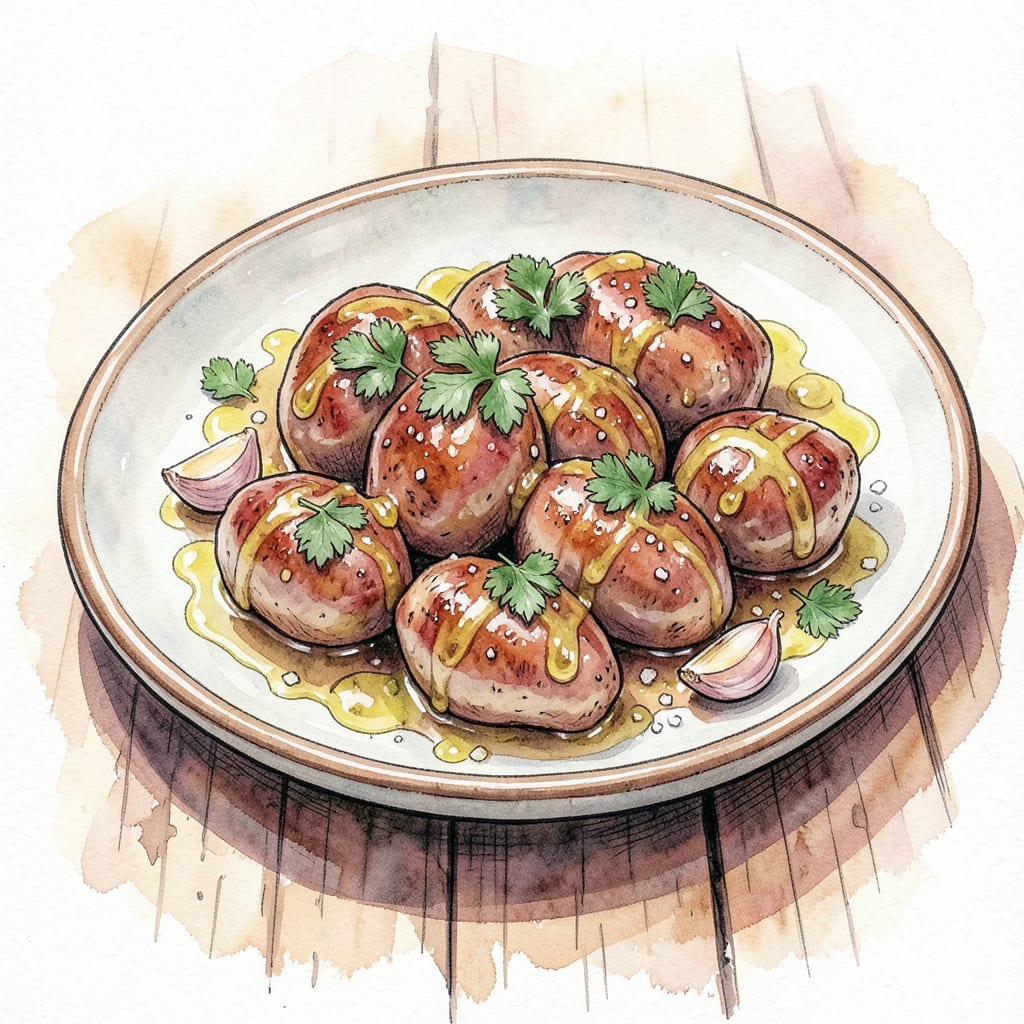
Pan-seared chicken hearts offer a tender, flavorful experience that’s surprisingly easy to achieve at home. With proper technique, you can create a restaurant-quality dish that impresses even the most discerning palates.
Cooking chicken hearts to perfection requires attention to temperature and timing. By searing them at the right heat and cooking them just until tender, you’ll achieve a delightful texture that’s both tender and satisfying.
Ingredients for Chicken Hearts
Restaurant-quality chicken hearts start with these simple, high-quality ingredients and precise techniques.
| Ingredient | Amount | Notes |
|---|---|---|
| Chicken Hearts 🍗 | 1 lb | Trimmed, cleaned, membrane removed |
| Olive Oil 🫒 | 2 tbsp | Extra-virgin for richness |
| Garlic Cloves 🧄 | 4 cloves | Minced, fresh preferred |
| Fresh Parsley 🌿 | ¼ cup | Chopped, for garnish |
| Lemon Juice 🍋 | 2 tbsp | Freshly squeezed |
| Salt 🧂 | 1 tsp | Kosher or sea salt |
| Black Pepper 🌶️ | ½ tsp | Freshly ground preferred |
| Red Pepper Flakes 🔥 | ¼ tsp | Optional, for heat |
| Butter 🧈 | 2 tbsp | Unsalted, for finishing |
| White Wine 🍷 | ¼ cup | Dry white wine, optional |
| Fresh Thyme 🌿 | 2 sprigs | Fresh, for flavor |
| Shallots 🧅 | 2 whole | Finely chopped |
For the best results, source fresh chicken hearts from a reputable butcher or quality supermarket. Look for hearts with minimal connective tissue and a vibrant red color. If you’re having trouble finding them, try Whole Foods or a local butcher shop. I usually grab mine from Costco when I’m doing a big batch.
No white wine? Chicken broth is a fine substitute. Fresh thyme is ideal, but dried thyme at one-third the amount works too. If you can’t find shallots, red onion is a decent backup. For an extra kick, add a pinch of red pepper flakes. The lemon juice adds brightness, so don’t skip it.
These keep for 3-4 days in the fridge. Reheat gently in a pan with a bit of butter to restore that just-cooked texture. You can also freeze them for up to 3 months—just thaw overnight in the fridge before reheating. I like to portion them into containers so I can grab a quick lunch or dinner.
Step-by-Step Instructions for Pan-Seared Chicken Hearts
Let’s get started with cooking these delicious chicken hearts to perfection every time.
Step 1: Prepare the Chicken Hearts
Start by rinsing the 1 lb Chicken Hearts under cold water, then pat them dry with paper towels. I like to remove any excess membrane or connective tissue at this stage to ensure they cook evenly. Season the chicken hearts with 1 tsp Salt, 0.5 tsp Black Pepper, and 0.25 tsp Red Pepper Flakes if you like a bit of heat. Make sure they’re evenly coated.
The key here is to get them as dry as possible so they sear properly in the pan. I always take a moment to inspect them closely and remove any remaining membrane or blood vessels.
Step 2: Sear the Chicken Hearts
Heat 2 tbsp Olive Oil in a large skillet over medium-high heat. Once the oil shimmers, add the chicken hearts in a single layer, being careful not to overcrowd the pan. You may need to cook them in batches depending on the size of your skillet. Sear the chicken hearts for 2-3 minutes per side until they’re golden brown and cooked through.
You’ll know they’re done when they reach an internal temperature of 165°F. Remove the cooked chicken hearts from the pan and set them aside on a plate, tenting them loosely with foil to keep warm.
Step 3: Cook the Aromatics and Finish the Dish
In the same skillet, reduce the heat to medium and add 2 tbsp Butter. Once melted, add the 2 whole Shallots and 4 cloves Garlic Cloves, cooking until they’re softened and fragrant, about 2-3 minutes. If using 0.25 cup White Wine, pour it into the skillet, scraping up any browned bits from the bottom. Let it simmer for 1-2 minutes until slightly reduced.
Stir in 2 tbsp Lemon Juice and add back the chicken hearts. Toss everything together to coat the chicken hearts in the sauce. Finally, sprinkle with 0.25 cup Fresh Parsley and a few sprigs of Fresh Thyme for garnish.
Step 4: Serve
Serve the pan-seared chicken hearts hot, garnished with additional parsley if desired. They’re perfect as an appetizer or main course. The combination of the crispy exterior and tender interior, along with the flavorful sauce, will make this dish a hit.
I like to serve them immediately while the sauce is still warm and fragrant. Enjoy your perfectly cooked chicken hearts!
Regional Styles of These Flavors
Spanish-Style Cazuela
In Spain, chicken hearts are often cooked in a rich cazuela with smoked paprika and chorizo. The combination creates a deep, complex flavor profile that’s both spicy and smoky. I add 1/2 cup white wine and 1/4 cup chicken broth to create a delicious sauce.
Japanese Yakitori
For a Japanese-inspired dish, skewer the chicken hearts and grill them over medium-high heat. Brush with a mixture of 2 tbsp soy sauce, 1 tbsp sake, and 1 tbsp mirin during cooking. The result is a beautifully caramelized exterior with a tender interior. Serve with a sprinkle of sesame seeds and a side of steamed rice.
Indian-Style Curry
In India, chicken hearts are often used in curries with rich coconut milk and warm spices. I sauté 1 onion and 2 cloves garlic in ghee, then add 1 tsp curry powder and 1/2 tsp turmeric. The chicken hearts simmer in this aromatic sauce until tender, served with steamed basmati rice.
Middle Eastern Grilled Hearts
For a Middle Eastern twist, marinate the chicken hearts in a mix of olive oil, lemon juice, and sumac, then grill them over medium heat. The sumac adds a tangy, slightly sour flavor that pairs perfectly with the richness of the hearts. Serve with a side of grilled vegetables and warm pita bread.
Mexican-Style Tacos
In Mexico, chicken hearts are often used in tacos, cooked with chipotle peppers and onions. I sauté the hearts with 1/2 cup diced onion and 2 chipotle peppers in adobo sauce, then serve them in warm tortillas with fresh cilantro and lime wedges. The smoky heat from the chipotles adds a bold flavor.
Greek-Style Grilled Hearts
For a Greek-inspired dish, marinate the chicken hearts in a mix of olive oil, lemon juice, and oregano, then grill them over medium heat. The oregano adds a pungent, earthy flavor that pairs well with the hearts. Serve with a side of roasted vegetables and a dollop of tzatziki sauce. 🌟
Nutrition Facts
Frequently Asked Questions
Are chicken hearts healthy to eat?
Yes, chicken hearts are nutritious and rich in protein, vitamins, and minerals. They’re an excellent source of iron and zinc, making them a great addition to a balanced diet. When cooked properly, they can be a healthy and delicious meal option.
How do I prepare chicken hearts for cooking?
Start by rinsing the chicken hearts under cold water, then pat them dry with paper towels. Remove any excess membrane or connective tissue to ensure they cook evenly. This step is crucial for achieving tender and flavorful results.
Can I use frozen chicken hearts for this recipe?
Yes, you can use frozen chicken hearts, but
What’s the best way to store leftover chicken hearts? Store leftover chicken hearts in an airtight container in the refrigerator for up to 3-4 days. Reheat them gently in a pan with a bit of butter to restore their tender texture. You can also freeze them for up to 3 months.

- Jollof Rice Sauce Recipe: West African Tomato and Spice Infusion - September 25, 2026
- Japanese Rice Soup Recipe: Umami-Rich Comfort in a Bowl - September 25, 2026
- Homemade Cream Of Rice Recipe: Silk-Smooth Breakfast in Minutes - September 25, 2026