
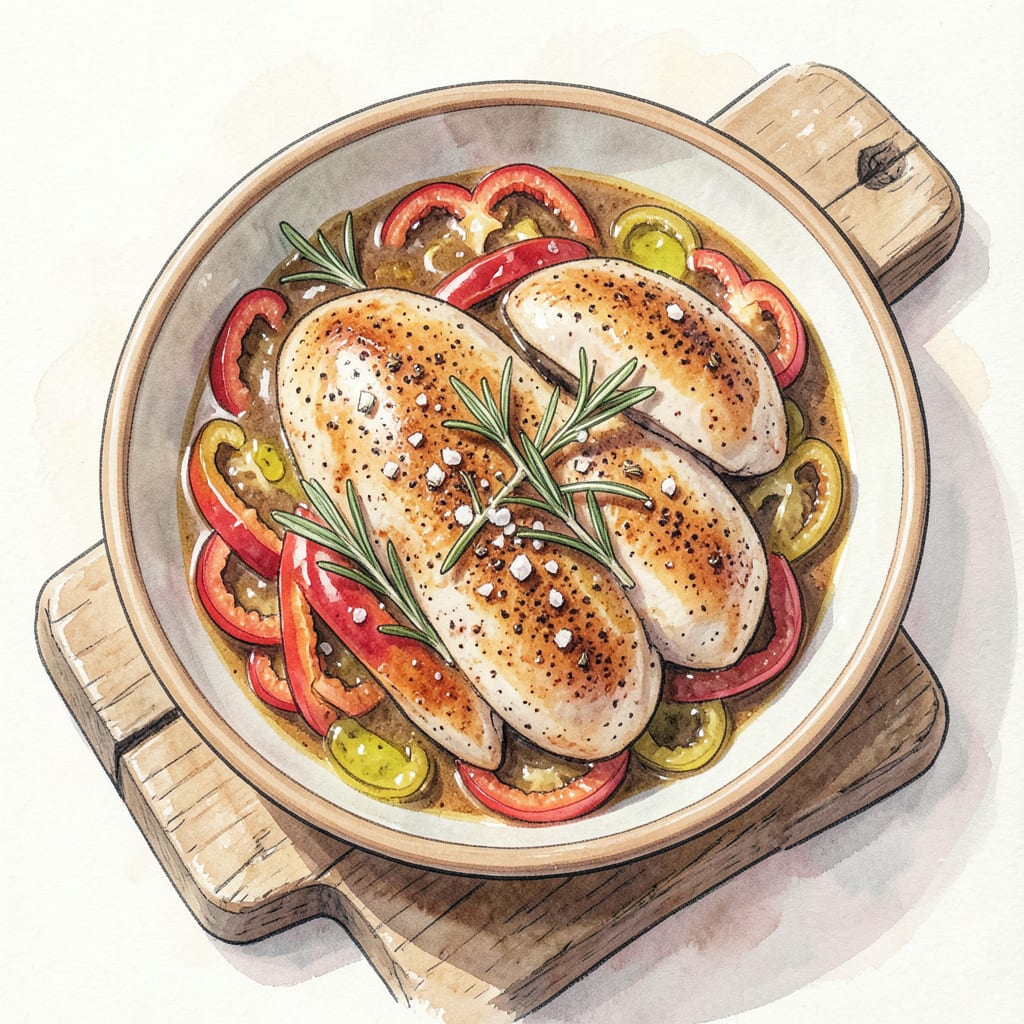
I’ve perfected my homemade chicken in a bag seasoning recipe, delivering that perfect flavor every time. This dry spice blend combines essential herbs and spices to elevate your chicken dishes without any artificial additives or preservatives.
With just a few simple ingredients measured in tablespoons and teaspoons, you’ll create a homemade seasoning mix that transforms ordinary chicken into something special. Store it in an airtight container and use as needed for consistently delicious results.
Ingredients for Chicken in a Bag Seasoning
Eight spices come together to create this perfect homemade chicken seasoning blend.
| Ingredient | Amount | Notes |
|---|---|---|
| Paprika 🌶️ | 2 tbsp | Smoked or sweet variety |
| Garlic Powder 🧄 | 1 tbsp | Not garlic salt |
| Onion Powder 🧅 | 1 tbsp | Fresh ground preferred |
| Dried Thyme 🌿 | 2 tsp | Crushed between fingers |
| Dried Rosemary 🌿 | 1 tsp | Finely chopped |
| Salt 🧂 | 1 tsp | Kosher or sea salt |
| Black Pepper 🌶️ | ½ tsp | Freshly ground preferred |
| Cayenne Pepper 🔥 | ¼ tsp | Adjust for heat preference |
The quality of spices matters here. I recommend Penzeys or bulk bins at natural food stores for freshness. Look for vibrant color and strong aroma when selecting spices. Smoked paprika adds depth, but sweet works too if that’s what you have on hand.
No dried thyme? Italian seasoning at double the amount is a decent substitute. For rosemary, start with half the amount if using fresh—mince it finely before measuring. The cayenne is optional, so adjust to taste or omit entirely if you prefer mild seasoning.
Store this blend in an airtight glass jar away from light. It stays potent for about 6 months. I make a double batch and keep one jar in the pantry, freeze the other to preserve freshness for later use.
Step-by-Step Instructions for Homemade Chicken in a Bag Seasoning
Creating this perfect blend is straightforward and rewarding – let’s get started with the process.
Step 1: Combine the Base Spices
Begin by measuring out the 2 tbsp Paprika, 1 tbsp Garlic Powder, and 1 tbsp Onion Powder into a small bowl. I like to use a digital scale for precision, especially with the paprika – it makes a big difference in the final flavor. Make sure to level off your measurements for accuracy.
Mix these base spices together thoroughly using a small whisk or fork until they’re evenly distributed. You’ll notice how the different textures combine into a uniform mixture. This step is crucial for ensuring consistent flavor in every use.
Step 2: Add the Aromatic Herbs and Seasoning
Add the 2 tsp Dried Thyme and 1 tsp Dried Rosemary to the bowl. I always crush the thyme between my fingers before adding it to release its essential oils – this enhances the overall aroma of the blend. Make sure to break up any clumps in the rosemary to ensure even distribution.
Mix these herbs into the base spice mixture until they’re fully incorporated. The combination of thyme and rosemary gives this seasoning its characteristic depth and complexity. Take a moment to appreciate the fragrance that’s developing – it’s a great indicator of the final product’s quality.
Step 3: Finish with Salt and Peppers
Add the 1 tsp Salt, 0.5 tsp Black Pepper, and 0.25 tsp Cayenne Pepper to the mixture. I use freshly ground black pepper whenever possible for the best flavor. If you’re sensitive to heat, you can adjust the cayenne pepper amount to your taste – or omit it entirely if preferred.
Mix everything together one final time until you have a uniform blend. The salt will help to distribute all the other flavors evenly throughout the mixture. Take a pinch and rub it between your fingers – the texture should be consistent and the aroma complex.
Step 4: Store Your Homemade Seasoning
Transfer the finished spice blend to an airtight container, preferably one that’s both moisture and light resistant. I like to use glass jars with tight-fitting lids for this purpose. Label the container with the date and contents so you can easily identify it later.
Store your homemade chicken in a bag seasoning in a cool, dark place. The blend will retain its potency for several months when stored properly. If you notice the aroma fading over time, simply give it a quick stir before using.
Pro Cooking Tips for Great chicken in a bag seasoning
Perfecting Your Seasoning Blend
The key to a great chicken in a bag seasoning is balance between the base spices and aromatic herbs. I start with 2 tbsp paprika as the foundation, which provides both color and depth. The 1 tbsp garlic powder and 1 tbsp onion powder add savory complexity without the texture of fresh ingredients. 🔥
Maximizing Herb Potency
When adding 2 tsp dried thyme and 1 tsp dried rosemary, I always crush the thyme between my fingers to release its essential oils. This simple step makes a noticeable difference in the final aroma. For rosemary,
Seasoning with Precision
The 1 tsp kosher salt and 0.5 tsp freshly ground black pepper enhance all the other flavors while the 0.25 tsp cayenne pepper adds a subtle kick. Adjust the cayenne to your heat preference or omit it entirely for a milder blend. I find that freshly ground pepper makes a significant difference in the overall flavor profile.
Storage Best Practices
Transfer your finished seasoning blend to an airtight glass jar and store it in a cool, dark place. Properly stored, this blend retains its potency for about 6 months. I recommend making a double batch: store one jar in the pantry and freeze the other to preserve maximum freshness.
Customizing Your Blend
Nutrition Facts
Frequently Asked Questions
How long does homemade chicken in a bag seasoning last?
When stored properly in an airtight glass jar away from light, this blend retains its potency for about 6 months. For maximum freshness, consider making a double batch and freezing half.
Can I adjust the spice level in this recipe?
Yes, you can easily customize the heat level. The 0.25 tsp cayenne pepper adds a subtle kick, but you can adjust it to your taste or omit it entirely for a milder blend.
What’s the best way to store this seasoning blend?
Transfer the finished spice blend to an airtight container, preferably one that’s both moisture and light resistant. Glass jars with tight-fitting lids work well for this purpose. Store in a cool, dark place for optimal preservation.
Can I use fresh herbs instead of dried?
While you can use fresh herbs, it’s not recommended for this dry spice blend. If you want to use fresh rosemary or thyme, start with half the amount called for in the recipe and mince it finely before adding. Keep in mind that using fresh herbs will affect the blend’s shelf life.

- Jollof Rice Sauce Recipe: West African Tomato and Spice Infusion - September 25, 2026
- Japanese Rice Soup Recipe: Umami-Rich Comfort in a Bowl - September 25, 2026
- Homemade Cream Of Rice Recipe: Silk-Smooth Breakfast in Minutes - September 25, 2026