
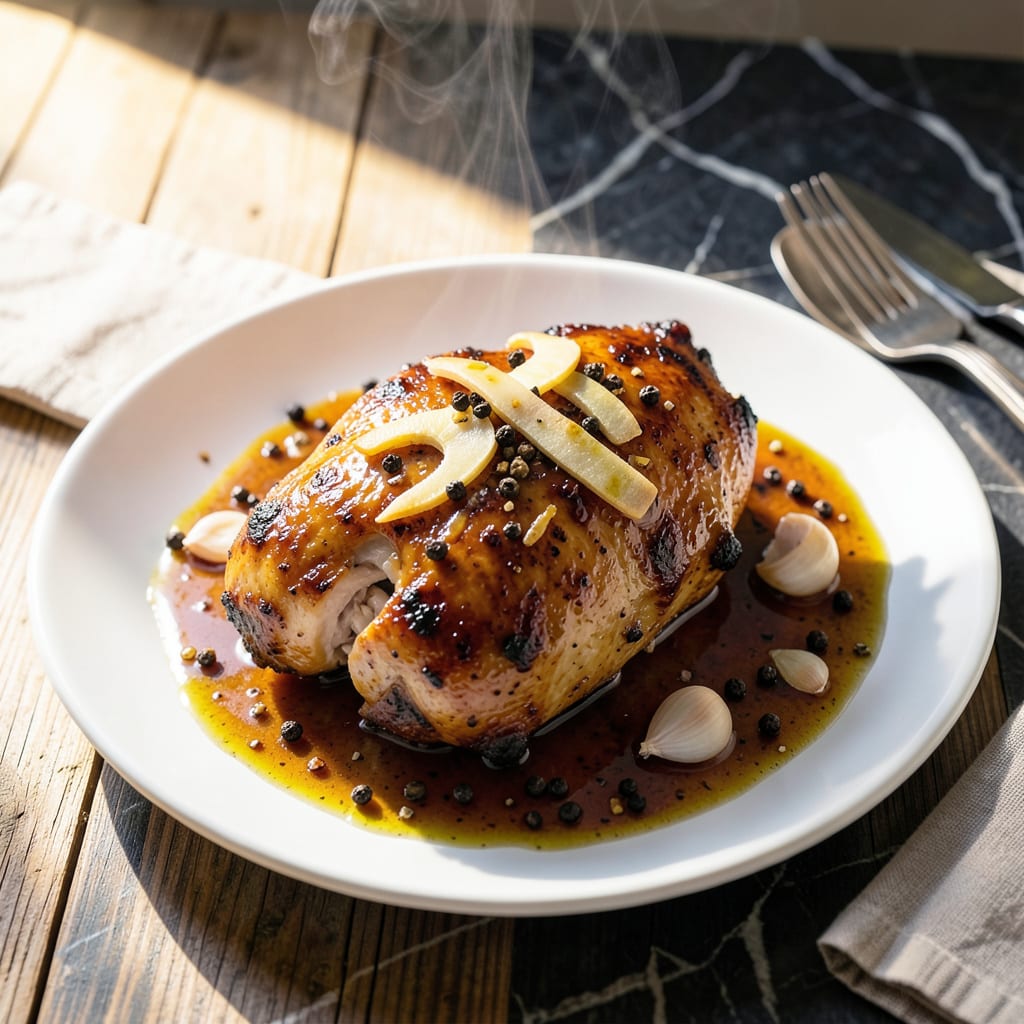
This tangy coconut vinegar marinade captures the essence of Filipino chicken inasal with its perfect balance of sour, sweet, and savory. A foolproof blend of vinegar, citrus, garlic, and spices creates an authentic basting sauce.
The sauce develops deep flavor as it caramelizes on grilled meats, making it a game-changer for any barbecue. Simple ingredients come together quickly for a versatile condiment that elevates every dish.
Ingredients for Chicken Inasal Basting Sauce
Nine ingredients create this vibrant Filipino basting sauce with perfect balance.
| Ingredient | Amount | Notes |
|---|---|---|
| Coconut Vinegar 🥥 | 1 cup | White or clear variety preferred |
| Calamansi Juice 🍋 | ½ cup | Or substitute lime juice |
| Soy Sauce 🫙 | ¼ cup | Regular or light variety |
| Brown Sugar 🍚 | ½ cup | Packed, for sweetness |
| Garlic Cloves 🧄 | 8 cloves | Peeled and minced |
| Fresh Ginger 🌿 | 2 tbsp | Peeled and grated |
| Black Peppercorns 🌶️ | 1 tbsp | Freshly cracked preferred |
| Annato Powder 🌶️ | 1 tsp | For authentic color |
| Salt 🧂 | 1 tsp | Kosher or sea salt |
[recipeingredientscaler]
The coconut vinegar is non-negotiable for authentic flavor—Filipino or Asian markets carry it, but apple cider vinegar works in a pinch (just add a splash of coconut water for depth). Look for white coconut vinegar for the cleanest taste. Calamansi is traditional, but fresh lime juice with a touch of orange zest gets you 90% there. The annato powder, found at Latin markets, gives that signature golden hue.
No calamansi? Lime or lemon juice at a 1:1 ratio works fine. For a deeper umami, swap half the soy sauce for fish sauce (though this breaks vegetarian diets). Brown sugar can be replaced with coconut sugar for a richer caramel note. The ginger can be doubled if you love that warm, spicy kick—just don’t skip the garlic, as it’s the backbone of the marinade.
This sauce keeps beautifully in the fridge for up to 2 weeks in a sealed jar. For longer storage, freeze in ice cube trays—thaw only what you need. Always stir before using, as the spices settle. The flavors deepen over 24 hours, so make it ahead if possible.
Why You’ll Love This Recipe
- 5-Minute Mix: I just dump all the ingredients—coconut vinegar, calamansi, soy sauce, brown sugar, garlic—into a bowl and stir. No fancy steps.
- Tangy Sweet Kick: The calamansi and brown sugar balance each other out, while the garlic in the basting sauce gives it that deep, savory punch I can’t get enough of.
- Grill or Stovetop: Honestly, I use this sauce for chicken thighs on the grill, but it works just as well for pan-fried pieces or even roasted veggies.
- Stretches Far: One batch covers enough chicken for a family dinner, and the leftovers taste even better the next day—if they last that long.
Step-by-Step Instructions for Chicken Inasal Basting Sauce
This method ensures a perfectly balanced marinade with authentic Filipino flavors.
Step 1: Toast and Prepare the Spices
In a dry skillet over medium heat, toast the 1 tablespoon Black Peppercorns for 2-3 minutes until fragrant. Remove from heat and crack them coarsely using a mortar and pestle or the bottom of a heavy pan. This releases their aromatic oils, which are essential for depth of flavor in the sauce.
In a small bowl, combine the cracked peppercorns with the 1 teaspoon Annato Powder and 1 teaspoon Salt. The annato, also known as achuete, will give the sauce its signature vibrant orange-red hue, a hallmark of traditional inasal marinades.
Step 2: Combine the Liquid Ingredients
In a medium saucepan, combine the 1 cup Coconut Vinegar, 0.5 cup Calamansi Juice, and 0.25 cup Soy Sauce. The coconut vinegar provides a tangy base that tenderizes the meat, while the calamansi adds a bright, citrusy note unique to Filipino cuisine.
Stir in the 0.5 cup Brown Sugar, ensuring it is packed to achieve the right level of sweetness. This balances the acidity of the vinegar and calamansi, creating a harmonious flavor profile that defines the basting sauce.
Step 3: Infuse with Aromatics
Add the 8 cloves Garlic Cloves, which should be peeled and minced, and the 2 tablespoons Fresh Ginger, peeled and grated, to the saucepan. These aromatics form the backbone of the sauce, adding pungent and zesty layers that complement the tangy and sweet elements.
Bring the mixture to a gentle simmer over medium-low heat. Let it cook for 5-7 minutes, stirring occasionally, until the sugar fully dissolves and the aromatics infuse the liquid. Avoid boiling, as this can cause the vinegar to become overly sharp.
Step 4: Simmer and Reduce
Reduce the heat to low and let the sauce simmer for an additional 10-12 minutes. This step allows the flavors to meld together while the sauce thickens slightly. You’ll notice the liquid reducing and becoming more syrupy, which helps it cling to the chicken during basting.
Stir in the toasted peppercorn, annato, and salt mixture, ensuring it is fully incorporated. Taste the sauce and adjust seasoning if necessary, though the measured ingredients should provide a well-balanced flavor. The sauce should have a glossy appearance and a complex, tangy-sweet aroma.
Step 5: Cool and Strain
Remove the sauce from the heat and allow it to cool to room temperature. This step is crucial, as applying a hot marinade to raw chicken can begin cooking the meat prematurely, leading to a tough texture.
Once cooled, strain the sauce through a fine-mesh sieve to remove the solid pieces of garlic, ginger, and peppercorns. This ensures a smooth consistency, ideal for basting. Transfer the strained sauce to a clean jar or bowl. It is now ready to use as a marinade or basting sauce for chicken inasal.
Pro Tips For Making Chicken Inasal Basting Sauce
- Balance the Tang: I learned this the hard way—too much calamansi juice can overpower the sauce. Start with 2 parts coconut vinegar to 1 part calamansi, then adjust to taste.
- Bloom the Garlic: Crush the garlic cloves and let them sit in warm oil for 30 seconds before adding liquids. This mellows the bite and deepens the flavor.
- Skip the Boil: Resist the urge to boil the sauce—just simmer it gently for 5-7 minutes. Boiling makes the brown sugar caramelize too fast and turn bitter.
- Strain for Smoothness: After cooking, strain out the garlic if you want a silky basting sauce. Sounds weird, but it works—no one wants chunks sticking to their chicken.
Creative Variations of This chicken inasal basting sauce
Spicy Kick Variation
Add 1-2 chopped siling labuyo (Filipino bird’s eye chili) or ½ tsp red pepper flakes while simmering for heat lovers. The chili infuses the sauce during cooking, creating a balanced spicy-sweet profile that lingers beautifully on grilled chicken.
Creamy Coconut Style
Stir in ½ cup coconut milk after removing from heat for a richer, creamier version. This variation works wonderfully as both a marinade and finishing sauce. I love how the coconut milk mellows the acidity while adding depth.
Extra Tangy Twist
Increase the calamansi to ¾ cup and reduce brown sugar to ⅓ cup for a brighter, more citrus-forward sauce. Perfect for those who prefer a sharper basting sauce that cuts through rich meats. 💫
Sweet and Smoky
Replace ¼ cup brown sugar with ¼ cup pineapple juice and add ½ tsp smoked paprika for a tropical smokiness. This version pairs exceptionally well with pork dishes too.
Quick Pickle Version
Skip the simmering and combine all ingredients raw for a fresh, pickling-style basting sauce. Let it sit for at least 2 hours before using to allow flavors to develop. This method preserves the bright, raw garlic and ginger notes.
Herb-Infused
Add 2 tbsp chopped lemongrass and 5 kaffir lime leaves during simmering for an aromatic twist. Strain thoroughly before using. This variation brings a sophisticated, restaurant-quality depth to your dish. 🌿
Nutrition Facts
Frequently Asked Questions
Can I use apple cider vinegar instead of coconut vinegar?
Yes, but add a splash of coconut water for authentic depth. Apple cider vinegar works in a pinch, though the flavor will be slightly different.
How long can I store this basting sauce?
It keeps in the fridge for up to 2 weeks in a sealed jar. For longer storage, freeze in ice cube trays and thaw as needed.
What if I don’t have calamansi juice?
Substitute with lime or lemon juice at a 1:1 ratio. A touch of orange zest can mimic calamansi’s unique citrus note.
Can I make this sauce ahead of time?
The flavors deepen over 24 hours. Make it a day in advance for the best results.

- Jollof Rice Sauce Recipe: West African Tomato and Spice Infusion - September 25, 2026
- Japanese Rice Soup Recipe: Umami-Rich Comfort in a Bowl - September 25, 2026
- Homemade Cream Of Rice Recipe: Silk-Smooth Breakfast in Minutes - September 25, 2026