
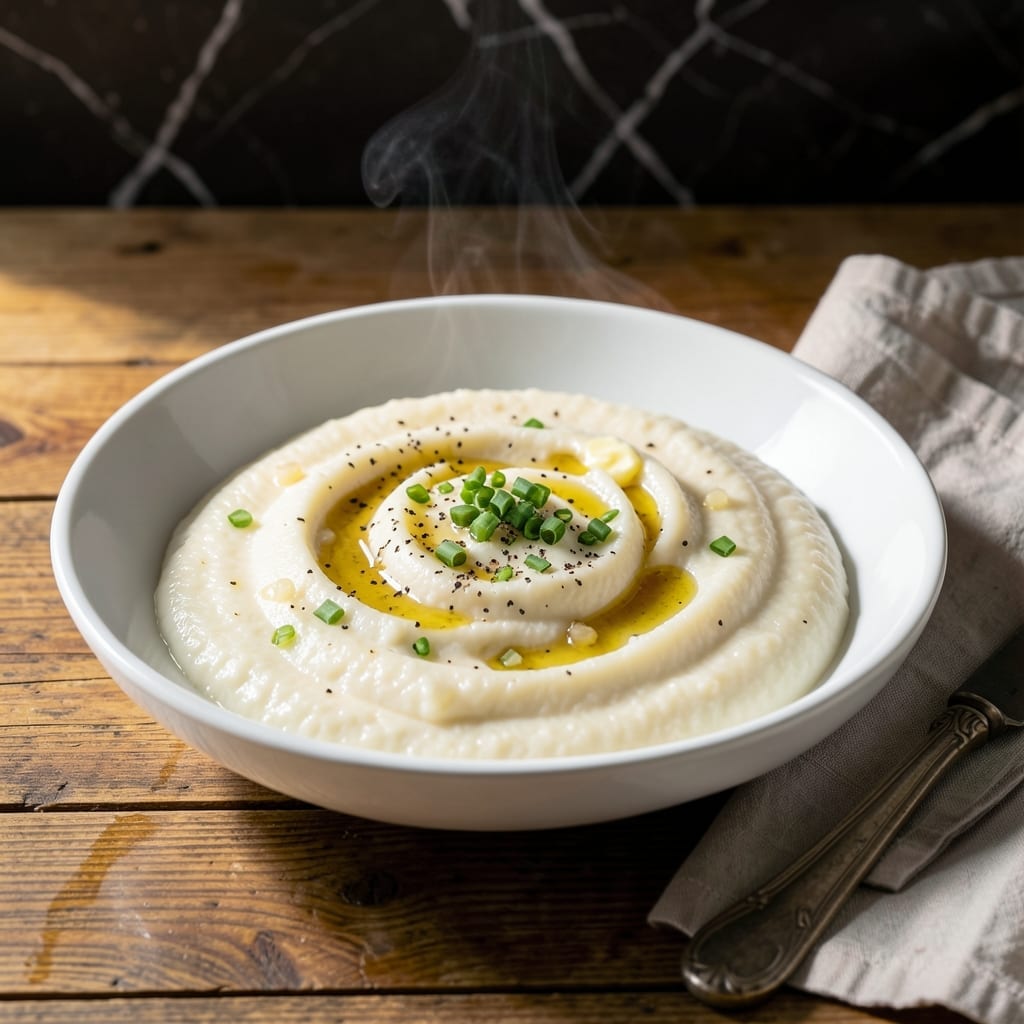
This chicken puree delivers the silky smooth texture that makes meals effortless and enjoyable. I developed this method to create a versatile base that works for everything from quick dinners to elegant plates.
The secret is in the cooking and blending technique, which transforms simple ingredients into a velvety, lump-free puree. It takes less than 30 minutes from start to finish, with minimal hands-on time.
You’ll end up with a rich, creamy chicken puree that’s packed with flavor yet light enough for everyday meals. It’s the perfect solution for busy weeknights or when you need something gentle yet satisfying.
Use it as a base for soups, a topping for toast, or a filling for pastries. This recipe keeps its promise of simplicity without sacrificing quality.
Ingredients for Chicken Puree
A handful of quality ingredients transforms into a velvety, versatile chicken puree base.
| Ingredient | Amount | Notes |
|---|---|---|
| Boneless, Skinless Chicken Breasts 🍗 | 1 ½ lb | Trimmed of excess fat |
| Chicken Stock 🥣 | 2 cups | Low-sodium preferred for control |
| Heavy Cream 🥛 | ½ cup | Full-fat for creaminess |
| Unsalted Butter 🧈 | 2 tbsp | European-style for richness |
| Yellow Onion 🧅 | 1 whole | Medium-sized, finely diced |
| Garlic Cloves 🧄 | 3 cloves | Freshly peeled and minced |
| All-Purpose Flour 🌾 | 2 tbsp | For thickening the puree |
| Kosher Salt 🧂 | 1 tsp | Diamond Crystal brand preferred |
| Freshly Ground Black Pepper 🌶️ | ½ tsp | Coarse grind for texture |
| Fresh Thyme Sprigs 🌿 | 3 whole | Leaves stripped and chopped |
| Nutmeg 🌰 | ¼ tsp | Freshly grated for best flavor |
| Lemon Juice 🍋 | 1 tbsp | Freshly squeezed for brightness |
The chicken quality directly impacts the final texture. Opt for air-chilled, hormone-free breasts from Whole Foods or Costco—they yield a more consistent puree. Avoid pre-ground chicken as it lacks the necessary binding properties. For the stock, homemade or high-quality brands like Bonafide Provisions provide depth without artificial aftertastes.
Heavy cream can be swapped for half-and-half with a slight texture difference. No fresh thyme? Use dried at one-third the amount. The nutmeg is subtle but essential—Penzeys offers excellent whole nutmeg for grating. For a gluten-free version, replace the flour with cornstarch at half the quantity. Butter substitutes like ghee work but may alter the flavor profile slightly.
The puree keeps well in an airtight container for 3-4 days in the fridge. For longer storage, freeze in 1-cup portions for up to 3 months. Reheat gently with a splash of stock to restore the silky consistency. Always bring to room temperature before blending for optimal texture.
Why You’ll Love This Recipe
- One Pot Magic: I just toss the chicken, onion, and stock in a pot and let it simmer—no fancy techniques, no stress.
- Velvety Dream: The heavy cream and butter blend into this ridiculously smooth, rich texture that’s pure comfort in a spoonful.
- Baby’s First Meal: Between us, this is my go-to for starting solids—gentle, mild, and packed with protein for tiny tummies.
- Freezer’s Best Friend: I double the batch, freeze half, and pull it out on those “what’s for dinner?” panic nights. Honestly, it’s saved me more than once.
Step-by-Step Instructions for Chicken Puree
This method delivers a velvety texture with minimal effort and maximum flavor.
Step 1: Sauté Aromatics and Chicken
Heat a large saucepan over medium heat and add the 2 tbsp unsalted butter. Once melted, add the finely diced yellow onion and cook for 5-6 minutes until translucent and soft, stirring occasionally to prevent browning.
Add the minced garlic cloves and chopped fresh thyme sprigs, cooking for an additional 1 minute until fragrant. Immediately add the 1.5 lb boneless, skinless chicken breasts, searing lightly for 2 minutes per side until they turn opaque on the outside.
Step 2: Simmer and Infuse Flavors
Pour in the 2 cups chicken stock, ensuring it covers the chicken completely. Add the 1 tsp kosher salt, 0.5 tsp freshly ground black pepper, and 0.25 tsp nutmeg. Bring the mixture to a gentle simmer, then reduce heat to low.
Cover and let it cook for 15-20 minutes until the chicken is fully cooked through and tender enough to shred easily with a fork. The stock should be lightly infused with the thyme and garlic, creating a fragrant base.
Step 3: Shred and Thicken the Mixture
Remove the chicken from the saucepan and shred it using two forks or a hand mixer. Return the shredded chicken to the pot. Sprinkle the 2 tbsp all-purpose flour over the mixture and stir well to combine, ensuring no lumps remain.
Cook for an additional 2-3 minutes over medium-low heat to allow the flour to thicken the liquid slightly. The mixture should coat the back of a spoon but still have a loose consistency.
Step 4: Blend to Silky Smoothness
Transfer the mixture to a blender or use an immersion blender directly in the pot. Add the 0.5 cup heavy cream and 1 tbsp lemon juice. Blend until completely smooth, pausing to scrape down the sides as needed.
The puree should be velvety and uniform in texture, with no visible chunks of chicken or onion. If it’s too thick, add a splash of additional chicken stock to reach your desired consistency.
Step 5: Adjust and Serve
Taste and adjust seasoning if necessary, though the initial measurements should provide a balanced flavor. For a lighter texture, thin with a bit more stock. For extra richness, stir in an additional splash of heavy cream.
Serve warm for the smoothest experience. This puree works beautifully as a base for soups, a filling for pies, or a nutritious addition to meals for those needing easy-to-swallow textures.
Pro Tips For Making Chicken Puree
- Poach, Don’t Boil: Simmer the chicken breasts in stock at a gentle 180-190°F—any higher and they’ll turn rubbery. I learned this the hard way after pulling out dry, stringy meat from a rolling boil.
- Strain the Stock: After poaching, strain the stock through a fine-mesh sieve to remove onion bits and stray fibers. It’s an extra 2 minutes but guarantees a silky puree without weird textures.
- Skip Cold Cream: Warm the heavy cream slightly before blending—cold cream can cause the puree to seize up or look grainy. Sounds fussy, but it actually changes the outcome.
- Butter Last: Fold in the butter at the very end, off the heat, to emulsify into the puree. Does it look weird? Yes. Does it work? Every single time.
Regional Styles of This chicken puree
French Classic Style
In France, this style often includes 1 tbsp Dijon mustard and 2 tbsp crème fraîche for a tangy depth. I add a pinch of herbes de Provence during simmering for authentic flavor. The result is richer and more aromatic. 💛
British Comfort Version
British cooks often blend in ½ cup cooked leeks and a splash of double cream for extra silkiness. I like adding 1 tsp English mustard powder for a subtle kick. This variation feels hearty and traditional.
Mediterranean Twist
For a Mediterranean flair, I stir in ¼ cup roasted red peppers and 1 tsp smoked paprika before blending. A drizzle of extra virgin olive oil at the end adds a luxurious finish. The smoky notes pair beautifully with the creamy base.
Asian-Inspired Variation
Swap thyme for 1 tbsp fresh ginger and 1 stalk lemongrass during cooking. Add 1 tbsp coconut milk and 1 tsp fish sauce to the blend. This version is fragrant and slightly exotic, perfect for soups or dumpling fillings. ✨
Latin American Flavor
Incorporate 1 diced chipotle pepper in adobo and 1 tsp ground cumin while simmering. Finish with 2 tbsp chopped cilantro and a squeeze of lime. The smoky heat makes it ideal for tacos or empanadas.
Nutrition Facts
Frequently Asked Questions
Can I use chicken thighs instead of breasts?
Yes, thighs work well and add richer flavor. Boneless, skinless thighs require the same 15-20 minutes simmering time. They may yield a slightly darker puree but with more depth.
How do I fix a lumpy texture?
Strain through a fine-mesh sieve after blending, then re-blend. For stubborn lumps, add 1-2 tbsp warm stock and blend again. Always ensure chicken is fully cooked before blending.
What’s the best way to store leftovers?
Transfer to an airtight container and refrigerate for up to 3-4 days. For longer storage, freeze in 1-cup portions for 3 months. Thaw overnight in the fridge.
Can I make this dairy-free?
Replace heavy cream with coconut milk and butter with olive oil. The texture will be slightly different but still smooth. Add a pinch of nutmeg to compensate for richness.

- Jollof Rice Sauce Recipe: West African Tomato and Spice Infusion - September 25, 2026
- Japanese Rice Soup Recipe: Umami-Rich Comfort in a Bowl - September 25, 2026
- Homemade Cream Of Rice Recipe: Silk-Smooth Breakfast in Minutes - September 25, 2026