
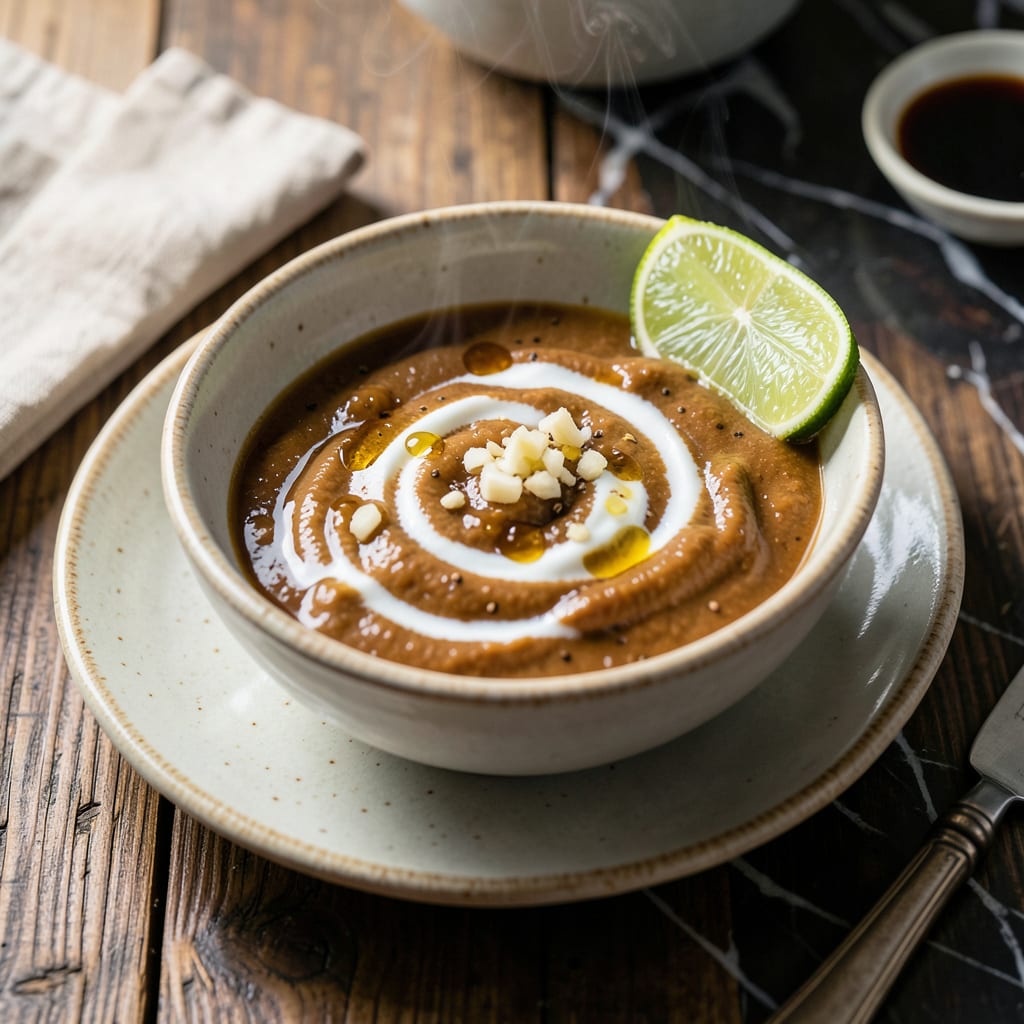
This dipping sauce transforms simple chicken satay into a restaurant-quality experience. The blend of creamy peanut butter and rich coconut milk creates a smooth, velvety texture that clings perfectly to grilled skewers.
Balanced with tangy lime juice, savory soy sauce, and warm spices, this sauce delivers complex flavor in every bite. It comes together in 10 minutes and keeps well for up to a week.
Ingredients for Chicken Satay Dipping Sauce
Nine ingredients blend into a sauce that elevates satay to restaurant-quality in minutes.
| Ingredient | Amount | Notes |
|---|---|---|
| Creamy Peanut Butter 🥜 | ¾ cup | Unsweetened, smooth variety |
| Coconut Milk 🥥 | ½ cup | Full-fat, canned preferred |
| Lime Juice 🍋 | 3 tbsp | Freshly squeezed preferred |
| Soy Sauce 💧 | 2 tbsp | Low-sodium if preferred |
| Honey 🍯 | 2 tbsp | Or agave for vegan option |
| Garlic Cloves 🧄 | 2 cloves | Minced or pressed |
| Fresh Ginger 🌿 | 1 tbsp | Peeled and grated |
| Ground Cumin 🌶️ | ½ tsp | Toasted for deeper flavor |
| Red Pepper Flakes 🔥 | ¼ tsp | Adjust to heat preference |
[recipeingredientscaler]
The peanut butter and coconut milk are the foundation here. Use natural, unsweetened peanut butter—Jif or Skippy work fine, but avoid the sugar-loaded versions. Full-fat coconut milk (like Thai Kitchen or Goya) gives you that luxurious texture. For the soy sauce, Kikkoman is a reliable choice, but any brand will do in a pinch. The lime juice needs to be fresh—bottled just doesn’t cut it.
No honey? Agave or maple syrup work as direct swaps. Short on ginger? Ground ginger at one-quarter the amount gets you close. If you don’t have fresh garlic, garlic powder at half the amount works. Red pepper flakes can be swapped for sriracha or cayenne—just adjust to taste. The cumin is key, but if you’re out, a pinch of curry powder adds similar warmth.
This sauce keeps beautifully. Store it in an airtight container in the fridge for up to 1 week. It thickens as it chills, so let it sit at room temp for 10 minutes before serving. Freezing isn’t recommended—it can separate.
Why You’ll Love This Recipe
- I’ll be real: it tastes even better the next day, and a batch lasts me all week in the fridge.
- One-Bowl Wonder: I just dump peanut butter, coconut milk, lime, soy, and honey in a bowl and whisk—no fuss, no blender, no stress.
- Flavor Bomb: That creamy-salty-sweet-tangy combo hits all the right notes, and the lime cuts through the richness perfectly.
- Party or Lunchbox: Honestly, it works for game day spreads or as a desk lunch upgrade with leftover chicken strips.
Step-by-Step Instructions for Chicken Satay Dipping Sauce
This straightforward method ensures a perfectly balanced sauce with rich peanut flavor and just the right amount of heat.
Step 1: Toast the Spices and Aromatics
Heat a small saucepan over medium heat. Add the 0.5 tsp Ground Cumin and toast for 30-45 seconds until fragrant. This deepens the cumin’s earthy notes and prevents a raw taste in the finished sauce.
Next, add the 2 cloves Garlic Cloves and 1 tbsp Fresh Ginger. Sauté for 1 minute, stirring constantly, until the garlic is light golden and the ginger releases its aroma. Be careful not to burn the garlic—it turns bitter quickly.
Step 2: Combine the Wet Ingredients
Lower the heat to medium-low and pour in the 0.75 cup Creamy Peanut Butter and 0.5 cup Coconut Milk. Stir continuously with a whisk or wooden spoon until the mixture is smooth and fully combined. The peanut butter will initially resist blending, but persistence is key.
Add the 2 tbsp Soy Sauce and 2 tbsp Honey, stirring until both are fully incorporated. The soy sauce adds umami depth, while the honey balances the acidity and saltiness with natural sweetness.
Step 3: Finish with Lime and Heat
Pour in the 3 tbsp Lime Juice and stir well. The acidity brightens the rich peanut and coconut base, creating a harmonious balance. Taste and adjust lime if needed, but remember the flavors will meld further as it cools.
Finally, stir in the 0.25 tsp Red Pepper Flakes. Let the sauce simmer for 2-3 minutes on low heat, stirring occasionally. This allows the flavors to marry and the sauce to thicken slightly. If it becomes too thick, add a splash of warm water to reach your desired consistency.
Step 4: Cool and Serve
Remove the sauce from heat and let it cool to room temperature. As it cools, it will thicken further, coating the back of a spoon. This step is crucial—the sauce should be smooth, creamy, and glossy, not thin or runny.
Transfer to a serving bowl and garnish with a sprinkle of additional red pepper flakes if desired. Serve alongside chicken satay or as a dip for fresh vegetables. The sauce keeps in an airtight container in the refrigerator for up to 5 days.
Pro Tips For Making Chicken Satay Dipping Sauce
- Warm the peanut butter: Microwave the peanut butter for 20-30 seconds before mixing—it blends into the coconut milk smoothly instead of clumping. I learned this the hard way after stirring cold peanut butter for 10 minutes.
- Balance the lime: Add lime juice gradually and taste as you go; too much can overpower the peanut flavor. Sounds weird, but a 1:2 ratio of lime to honey keeps it bright without being sour.
- Skip the chunky: Use creamy peanut butter, not chunky—those bits don’t dissolve and leave a gritty texture in the sauce. This isn’t the prettiest method, but it’s the tastiest.
- Simmer gently: Heat the sauce on low-medium for 5-7 minutes, stirring often—high heat can separate the coconut milk. After burning one batch, I finally figured out patience is the thing that matters most.
Perfect Pairings for This Recipe
Protein Pairings
Beyond chicken satay, this sauce elevates grilled shrimp to new heights—the peanut butter clings beautifully to each piece. I also love it with tofu satay, where the creamy texture contrasts perfectly with crispy tofu. 🍤
Fresh Vegetables
Raw veggies provide a crisp counterpoint to the rich sauce. Try cucumber slices, bell pepper strips, or carrot sticks. The cool freshness balances the warmth of the cumin and red pepper flakes beautifully.
Rice and Noodles
Serve with jasmine rice or rice noodles for a complete meal. The sauce drizzled over steamed rice creates a flavorful base for any protein. I often toss cold soba noodles with leftover sauce for a quick lunch.
Bread and Wraps
Use as a spread in Vietnamese summer rolls or as a dip for naan bread. The sauce also works wonderfully in lettuce wraps with shredded chicken and fresh herbs. It adds moisture and flavor to every bite.
Beverage Pairings
A cold Thai iced tea complements the sauce’s richness with its sweet, creamy profile. For beer lovers, a crisp pilsner or wheat beer cuts through the peanut butter’s density. I personally enjoy it with a Sauvignon Blanc. 🍺
Nutrition Facts
Frequently Asked Questions
Can I make this ahead of time?
The sauce actually tastes better after 24 hours as flavors meld. Store in an airtight container in the fridge for up to 5 days. Stir well before serving as it thickens when chilled.
What if my sauce is too thick?
Thin it with warm water, 1 tablespoon at a time, until it reaches your desired consistency. Avoid adding cold water, as it can cause the peanut butter to seize up. The ideal texture should coat the back of a spoon.
Can I make it spicier?
Easily! Add more red pepper flakes or a dash of sriracha to taste. For deeper heat, include 1 chopped Thai chili with the garlic and ginger.

- Jollof Rice Sauce Recipe: West African Tomato and Spice Infusion - September 25, 2026
- Japanese Rice Soup Recipe: Umami-Rich Comfort in a Bowl - September 25, 2026
- Homemade Cream Of Rice Recipe: Silk-Smooth Breakfast in Minutes - September 25, 2026