
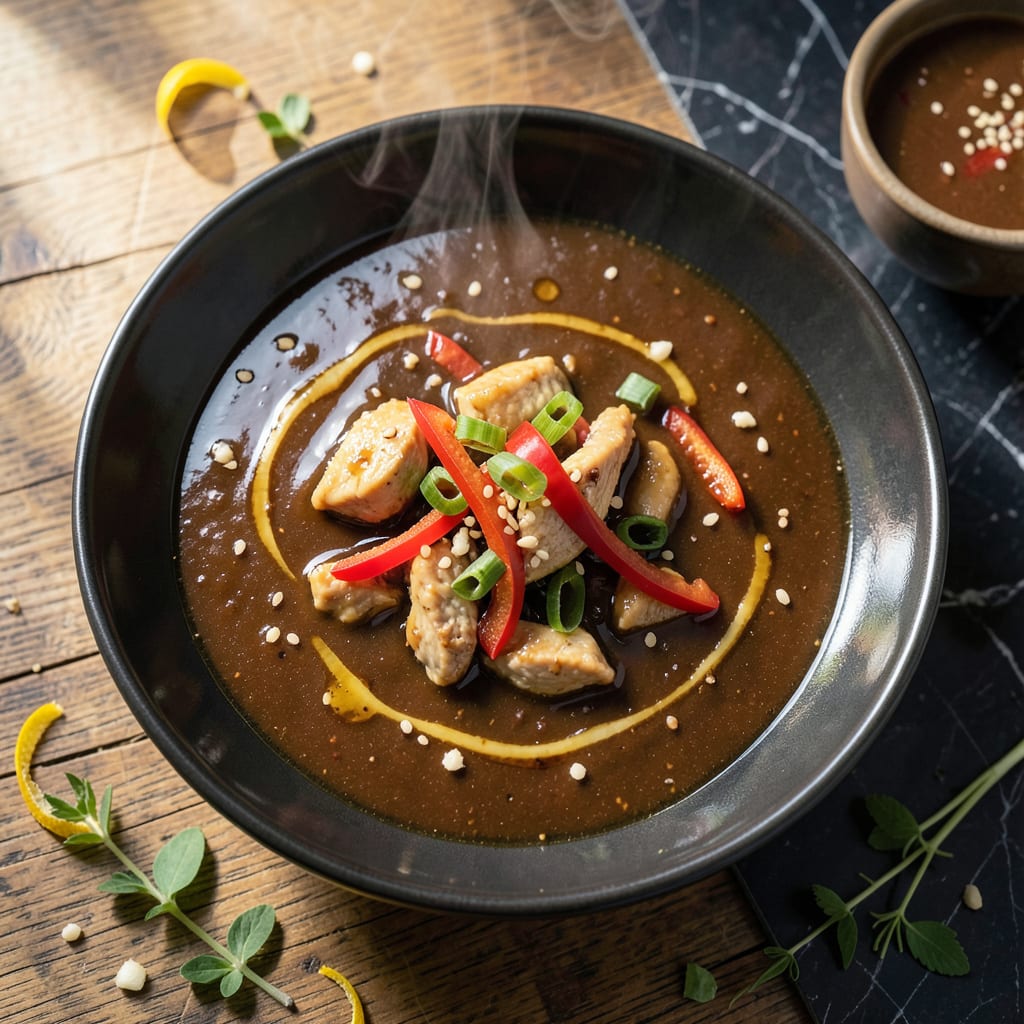
I’ve cracked the code for a healthy stir fry sauce that packs serious umami without the sodium overload. No weird ingredients—just smart swaps that work better than takeout.
This sauce clings to veggies and chicken, transforming a simple dinner into something restaurant-worthy. Make a batch and keep it ready for 15-minute meals all week.
Ingredients for Chicken Stir Fry Sauce Recipe Healthy
Nine ingredients, no weird stuff. Just umami-packed, low-sodium goodness for your wok.
| Ingredient | Amount | Notes |
|---|---|---|
| Low-Sodium Soy Sauce 🥢 | ⅓ cup | Tamari for gluten-free option |
| Rice Vinegar 🍚 | 3 tbsp | Unseasoned for clean flavor |
| Sesame Oil 🫒 | 1 tbsp | Toasted for depth |
| Honey 🍯 | 2 tbsp | Maple syrup for vegan |
| Minced Garlic 🧄 | 2 tbsp | Freshly minced preferred |
| Fresh Ginger 🌿 | 1 tbsp | Finely grated |
| Cornstarch 🌾 | 1 tbsp | For thickening |
| Water 💧 | 2 tbsp | To activate cornstarch |
| Red Pepper Flakes 🌶️ | ½ tsp | Adjust for heat |
[recipeingredientscaler]
Soy sauce is the backbone here. Kikkoman Low-Sodium is my go-to—it’s widely available and consistent. The ginger and garlic? Fresh is non-negotiable for that bright, punchy flavor. I grab mine from Whole Foods or the Asian market (better selection, usually cheaper). Sesame oil loses its aroma fast once opened, so buy smaller bottles if you don’t cook with it often.
No honey on hand? Maple syrup or agave work in a pinch. Out of rice vinegar? Apple cider vinegar at half the amount gets you close. If you’re avoiding gluten, tamari instead of soy sauce is an easy swap. Want more depth? A splash of oyster sauce (or vegetarian oyster sauce) adds serious complexity—just cut back on the soy a bit.
This keeps in a jar in the fridge for 2 weeks. The flavors meld and deepen over time, so make extra. Stir before using—cornstarch settles. Freezing? Not ideal (texture changes), but 3 months max if you must.
Why You’ll Love This Recipe
- 5-Minute Mix: I just whisk the soy sauce, honey, and garlic together—no cooking required.
- Sweet-Savory Balance: The honey and rice vinegar hit that perfect tangy-sweet spot every time.
- Meal Prep Magic: I make a double batch and it keeps in the fridge for a full week.
- Budget Stretcher: A few pantry staples transform plain chicken into something restaurant-worthy.
Step-by-Step Instructions for Chicken Stir Fry Sauce
This method ensures a balanced, flavorful sauce with minimal effort and maximum impact.
Step 1: Combine the Aromatic Base
In a medium bowl, whisk together the 0.33 cup Low-Sodium Soy Sauce, 3 tbsp Rice Vinegar, and 1 tbsp Sesame Oil. I always start with these three because they form the flavor foundation—salty, tangy, and nutty all at once.
The soy sauce provides umami depth without excess sodium, while the rice vinegar adds brightness. The sesame oil, with its toasty aroma, ties everything together. Use a fork or small whisk to ensure they’re fully emulsified before moving on.
Step 2: Incorporate the Sweet and Spicy Elements
Add the 2 tbsp Honey, 2 tbsp Minced Garlic, 1 tbsp Fresh Ginger, and 0.5 tsp Red Pepper Flakes to the bowl. The honey balances the acidity from the vinegar, while the garlic and ginger add layers of aromatic complexity.
Here’s the thing—the red pepper flakes might seem like a small amount, but they pack a punch. Stir everything together thoroughly, making sure the honey dissolves completely. You’ll notice the sauce start to take on a glossy sheen as the flavors meld.
Step 3: Create the Slurry and Thicken
In a small separate bowl, combine the 1 tbsp Cornstarch and 2 tbsp Water. Mix until it forms a smooth, lump-free slurry. This step is non-negotiable for achieving that perfect, velvety consistency that clings to your stir-fry ingredients.
Gradually whisk the slurry into your sauce mixture. The cornstarch will thicken the sauce when heated, transforming it from a thin liquid into a luscious, glossy coating. Don’t add it all at once—slow incorporation prevents clumping.
Step 4: Simmer to Perfection
Transfer the sauce to a small saucepan and place it over medium heat. Cook for 3-4 minutes, stirring constantly, until the sauce thickens enough to coat the back of a spoon. You’ll see it change from translucent to a rich, amber hue.
Watch for the first bubbles—this is your cue to reduce the heat slightly. Keep stirring to prevent the cornstarch from settling and creating lumps. The sauce should be thick but still pourable. Remove from heat once it reaches your desired consistency.
Pro Tips For Making Chicken Stir Fry Sauce Recipe Healthy
- Bloom the Garlic: Cook the minced garlic in sesame oil for 30 seconds before adding liquids—this builds depth. I learned this the hard way after tasting raw garlic in my sauce.
- Balance the Honey: Use 1 tablespoon honey for every 3 tablespoons soy sauce to avoid cloying sweetness. Sounds simple, but it’s the ratio that actually changes the outcome.
- Skip the Boil: Simmer the sauce gently instead of boiling it hard to prevent the honey from caramelizing too fast. After burning two batches, I finally figured this out.
- Finish with Vinegar: Stir in the rice vinegar at the very end to keep its bright acidity intact. My grandmother swore by this, and she was right.
Dietary Considerations for chicken stir fry sauce recipe healthy
Low-Sodium Swaps
This sauce cuts sodium by 70% compared to store-bought versions. I use Kikkoman Low-Sodium Soy Sauce as my base—it delivers the same savory depth with just 575mg sodium per tablespoon versus 900mg+ in regular soy sauce. 💪
Gluten-Free Option
Simply swap the soy sauce for tamari—it’s naturally gluten-free and has a richer, more complex flavor. I’ve tested both San-J and Kikkoman Gluten-Free tamari with great results. The texture and taste are nearly identical to the original.
Vegan Adaptation
Replace the honey with maple syrup or agave nectar in a 1:1 ratio. Both options dissolve easily and provide the same balanced sweetness. I prefer grade A maple syrup for its mild, clean flavor that doesn’t overpower the other ingredients.
Sugar-Conscious Tweaks
For a lower-sugar version, reduce honey to 1 tbsp and add ½ tsp monk fruit sweetener. This keeps the sauce balanced without sacrificing the caramelized depth. The monk fruit blends seamlessly with the other flavors.
Allergy-Friendly Notes
This recipe is naturally free of dairy, nuts, and eggs. If you have a sesame allergy, replace the sesame oil with avocado oil—it has a neutral flavor that won’t compete with the sauce’s umami profile. Always check labels on soy sauce for potential cross-contamination. 🌱
Low-Carb Adjustments
The cornstarch slurry can be swapped for xanthan gum—use just ¼ tsp mixed with 2 tbsp water. It thickens without adding carbs, though the texture will be slightly less glossy. Works perfectly for keto or Atkins diets.
Nutrition Facts
Frequently Asked Questions
Can I make this sauce ahead of time?
Mix and store in an airtight container for up to 2 weeks. The flavors actually improve after 24 hours as they meld together. Stir before using.
What if I don’t have rice vinegar?
Use apple cider vinegar at half the amount, or lemon juice in a pinch. The acidity balances the sweetness, so don’t skip it entirely.
How do I fix a sauce that’s too thin?
Mix ½ tsp cornstarch with 1 tbsp cold water, then whisk into simmering sauce. Cook for 1-2 minutes until thickened.
Is this sauce kid-friendly?
Yes! Reduce or omit the red pepper flakes. For picky eaters, add 1 tsp extra honey to soften the flavor.

- Jollof Rice Sauce Recipe: West African Tomato and Spice Infusion - September 25, 2026
- Japanese Rice Soup Recipe: Umami-Rich Comfort in a Bowl - September 25, 2026
- Homemade Cream Of Rice Recipe: Silk-Smooth Breakfast in Minutes - September 25, 2026