
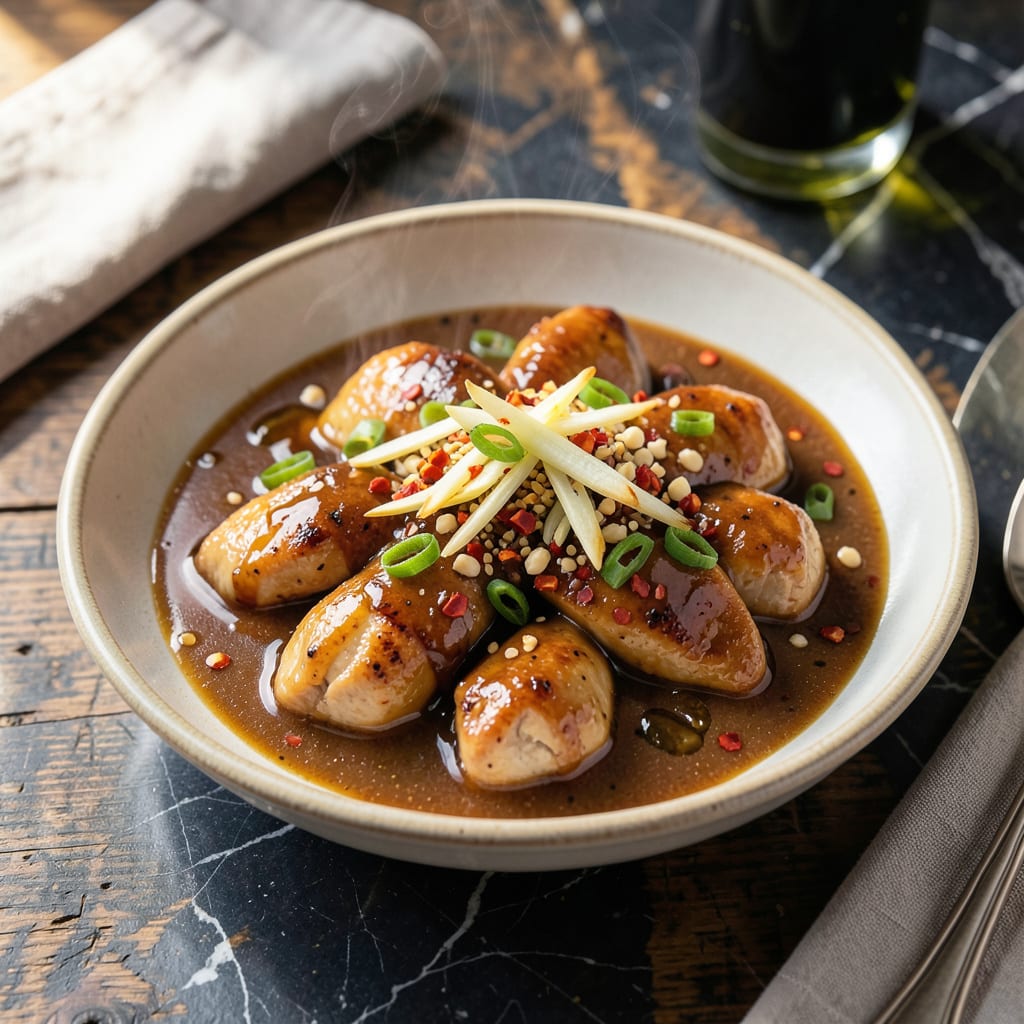
This sauce transforms chicken stir fry from ordinary to extraordinary with its bold umami depth. The ginger adds a warming, aromatic backbone that balances the savory and sweet notes perfectly.
Simple ingredients come together in minutes to create a versatile sauce that coats every piece of chicken and vegetable. It’s the secret to restaurant-quality stir fry at home.
Ingredients for Chicken Stir Fry Sauce Recipe with Ginger
Transform chicken stir fry with bold umami depth from these carefully balanced sauce ingredients.
| Ingredient | Amount | Notes |
|---|---|---|
| Soy Sauce 🥢 | ½ cup | Low-sodium preferred for balance |
| Rice Vinegar 🍚 | ¼ cup | Unseasoned for clean acidity |
| Honey 🍯 | 3 tbsp | Substitute maple syrup if needed |
| Fresh Ginger 🌿 | 1 tbsp | Finely grated for full infusion |
| Garlic Cloves 🧄 | 3 cloves | Minced for even distribution |
| Sesame Oil 🫒 | 1 tbsp | Toasted for depth of flavor |
| Oyster Sauce 🦪 | 2 tbsp | Optional for extra umami kick |
| Cornstarch 🌾 | 1 tbsp | Slurry with water to thicken |
| Water 💧 | ¼ cup | For cornstarch slurry |
| Red Pepper Flakes 🌶️ | ½ tsp | Adjust to preferred spice level |
[recipeingredientscaler]
The ginger is non-negotiable for that warming, aromatic backbone. Fresh ginger root (not powdered) gives the brightest, most complex flavor. Look for plump, smooth pieces at Asian markets or well-stocked grocery stores. The soy sauce should be high-quality—Kikkoman or Pearl River Bridge for reliable flavor. Rice vinegar brings the acidity without overpowering, so avoid apple cider vinegar here.
No oyster sauce? Vegan oyster sauce or hoisin works in a pinch. Honey can be swapped for brown sugar or agave (use equal amounts). If you’re avoiding gluten, tamari instead of soy sauce keeps the umami. The cornstarch slurry is key for that glossy, restaurant-style coating—mix it with cold water right before adding to the wok.
This sauce keeps for 1 week in the fridge, but it’s best used fresh. Freeze in ice cube trays for up to 3 months—perfect for quick weeknight stir fries. Always give it a stir before using as the cornstarch may settle.
Why You’ll Love This Recipe
- One Pan Magic: I just dump everything in a bowl—soy sauce, honey, minced ginger, and garlic—and it’s ready before the chicken even hits the wok.
- Sweet-Savory Balance: The honey caramelizes with the soy while the ginger and garlic add this zing that makes every bite taste intentional.
- Meal Prep Hero: I double the sauce on Sundays and use it for stir fry, marinade, or even a quick dip for leftovers all week.
- Budget Stretcher: Five ingredients I already have in my pantry, and it turns plain chicken into something restaurant-worthy without the takeout price.
Step-by-Step Instructions for Chicken Stir Fry Sauce
Master the wok sauce technique that delivers restaurant-quality flavor in minutes at home.
Step 1: Bloom Aromatics in Sesame Oil
Heat the 1 tablespoon sesame oil in a small saucepan over medium heat until it shimmers. Add the 1 tablespoon fresh ginger and 3 cloves garlic cloves, minced.
Sauté for 45-60 seconds until fragrant and just beginning to turn golden. This brief cooking time develops the aromatics’ full potential without burning them. Watch closely—garlic burns quickly and turns bitter.
Step 2: Build the Sauce Base
Pour in the 0.5 cup soy sauce, 0.25 cup rice vinegar, 3 tablespoons honey, 2 tablespoons oyster sauce, and 0.5 teaspoon red pepper flakes. Stir to combine thoroughly.
Bring the mixture to a gentle simmer over medium heat. You’ll see small bubbles forming at the edges and the liquid beginning to steam. This step allows the flavors to meld and the honey to fully dissolve into the sauce.
Step 3: Create and Add Cornstarch Slurry
In a small bowl, whisk together the 1 tablespoon cornstarch and 0.25 cup water until completely smooth with no lumps. This slurry will thicken the sauce to the perfect consistency for clinging to stir-fried ingredients.
Slowly pour the slurry into the simmering sauce while stirring constantly with a whisk. The mixture will begin to thicken almost immediately. Continue stirring for 1-2 minutes until it reaches your desired consistency—it should coat the back of a spoon but still be pourable.
Step 4: Finish and Store
Remove the sauce from heat and let it cool for 2-3 minutes. The sauce will thicken slightly more as it cools. Taste and adjust seasoning if needed, though the balance of sweet, salty, tangy, and spicy should be perfect as written.
Transfer to an airtight container. The sauce will keep in the refrigerator for up to 1 week. When ready to use, simply reheat gently in a saucepan or microwave, adding a splash of water if it’s too thick. This makes enough to coat 1-1.5 pounds of chicken and vegetables beautifully.
Pro Tips For Making Chicken Stir Fry Sauce Recipe With Ginger
- Bloom the Aromatics: Cook the minced ginger and garlic in oil for 30-45 seconds until fragrant—I learned this the hard way after tasting raw ginger bits in my first few attempts.
- Balance the Honey: Thin the honey with 1-2 teaspoons of warm water before mixing, or it’ll clump and refuse to blend with the soy sauce and vinegar.
- Reduce Before Coating: Simmer the sauce for 2-3 minutes to thicken slightly; skipping this leaves a watery stir-fry that slides right off the chicken.
- Grate the Ginger: Fresh ginger grates finer than mincing, so it disperses evenly in the sauce instead of settling at the bottom of the bowl.
Best Sauces and Condiments for chicken stir fry sauce recipe with ginger
Classic Pairings
This sauce shines with simple sides like steamed jasmine rice or brown rice. The neutral base lets the ginger-forward flavors take center stage. I love using leftover sauce as a marinade for tofu or shrimp too. 💛
Fresh Garnishes
Brighten up your dish with fresh green onions or cilantro sprinkled on top. A squeeze of lime juice adds a zesty contrast to the rich umami. Thinly sliced Thai basil offers an aromatic finish.
Dipping Options
Serve extra sauce on the side for dipping spring rolls or dumplings. It pairs especially well with crispy egg rolls from your favorite takeout spot. I keep a small bowl for dipping while cooking too.
Spicy Variations
Boost the heat with sriracha or chili garlic sauce mixed in. Start with 1 teaspoon and adjust to taste. A dash of Sichuan peppercorns adds a numbing tingle that works beautifully with the ginger.
Cold Uses
Use chilled sauce as a dressing for Asian slaw or noodle salads. Whisk with 1 tablespoon sesame oil for a creamy texture. It keeps the flavors vibrant even when served cold.
Storage Tip
Freeze in ice cube trays for portion control. Pop out cubes and store in a ziplock bag for up to 3 months. One cube is perfect for a quick single-serving stir fry. ✨
Nutrition Facts
Frequently Asked Questions
Can I use ground ginger instead of fresh?
Fresh ginger provides the best flavor, but ground works in a pinch. Use 1/4 teaspoon of ground ginger for every 1 tablespoon of fresh. Add it with the liquids to prevent burning.
How do I make this sauce gluten-free?
Swap regular soy sauce for tamari or a certified gluten-free soy sauce. Check oyster sauce labels too—many contain wheat. The rest of the ingredients are naturally gluten-free.
Why did my sauce turn out too thin?
It likely needs more cornstarch or simmering time. Mix another 1 teaspoon cornstarch with 1 tablespoon water, then stir into the sauce. Simmer for 1-2 minutes until thickened.
Can I prepare this sauce ahead of time?
It keeps for up to 1 week in the fridge. For longer storage, freeze in ice cube trays for up to 3 months. Thaw before using.

- Jollof Rice Sauce Recipe: West African Tomato and Spice Infusion - September 25, 2026
- Japanese Rice Soup Recipe: Umami-Rich Comfort in a Bowl - September 25, 2026
- Homemade Cream Of Rice Recipe: Silk-Smooth Breakfast in Minutes - September 25, 2026