
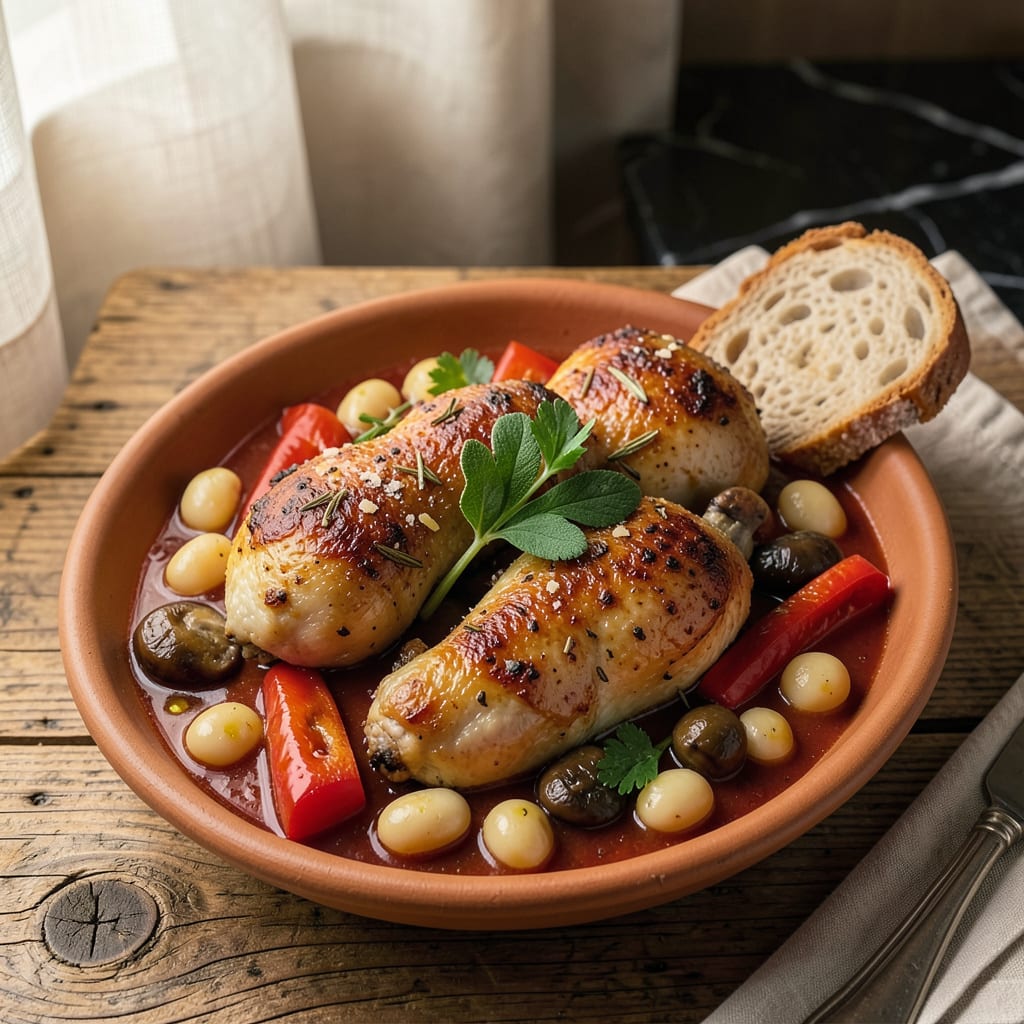
Yes, Italians do eat chicken, though it’s less prominent than pork, beef, or seafood in traditional cuisine. It appears in regional dishes like pollo alla cacciatora and pollo alla romana, often prepared with herbs, tomatoes, or wine.
While you might associate Italian food more with pasta or seafood, chicken holds its own special place in the culinary landscape. 🔥 The secret lies in how it’s prepared—often slow-cooked with aromatic herbs, bright tomatoes, or crisp white wine to create deeply flavorful yet simple dishes. I’ve noticed that in many Italian regions, chicken is treated as a canvas for bold, rustic flavors rather than the star protein. This approach reflects Italy’s farm-to-table traditions, where even humble ingredients shine when paired with seasonal produce and time-honored techniques.
💡 In This Article
- How Chicken Fits Into Italian Culinary Traditions
- Classic Italian Chicken Dishes to Try at Home
How Chicken Fits Into Italian Culinary Traditions
Chicken plays a nuanced role in Italian cuisine, shaped by geography and history. In landlocked regions like Tuscany and Umbria, poultry became a practical protein source for rural families, while coastal areas prioritized seafood.
The bird’s modest status compared to prized meats like beef or pork meant it was often reserved for festive occasions or slow-cooked in communal meals. This explains why traditional recipes like pollo alla cacciatora (“hunter-style chicken”) emerged as hearty, one-pot dishes designed to feed large groups with simple ingredients.
Regional preparation methods reveal fascinating contrasts. Northern Italy favors butter-based sauces and delicate herb pairings, while Southern recipes often incorporate bold tomato sauces and chili peppers. For example, Lombardy’s pollo alla milanese features a crisp breadcrumb crust fried in butter, while Sicily’s pollo alla marsala combines sweet wine with olives and capers.
These variations reflect local agriculture—where olive oil, wine, and citrus production dominate, chicken dishes naturally incorporate these flavors.
The cooking techniques themselves tell a story of resourcefulness. Braising chicken in wine or broth for hours wasn’t just about flavor—it was a way to tenderize older birds that were no longer laying eggs. This practice, still common in dishes like pollo in potacchio from Marche, transforms tough meat into fall-off-the-bone tenderness.
The average cooking time for these traditional methods ranges from 1.5 to 3 hours at low temperatures (275-325°F), allowing collagen to break down completely.
What’s particularly interesting is how chicken dishes often serve as cultural markers. In Rome, pollo alla romana with bell peppers and tomatoes became a symbol of Jewish-Roman cuisine, while arrosticini (lamb and chicken skewers) represent Abruzzo’s shepherd traditions. These dishes weren’t just meals—they were expressions of community identity.
Even today, you’ll find regional pride in preparation details, like whether to use white or red wine in cacciatora (white in Tuscany, red in the South).
The bird’s role extends beyond main courses. Chicken livers appear in Venetian fegato alla veneziana, while broths form the base for risottos and pastas across the country. This nose-to-tail approach reflects Italy’s historical necessity to utilize every part of the animal.
What might surprise many is that Italy’s per capita chicken consumption (about 22 lbs annually) remains lower than the US (96 lbs), reinforcing its status as a complementary rather than dominant protein.
Modern Italian cuisine continues this balanced approach. While fast-food culture has introduced more chicken dishes, traditional trattorias still treat poultry as one element in a varied meal structure. The key insight? Chicken in Italy isn’t about quantity—it’s about how thoughtfully it’s prepared and what cultural stories each dish carries. 🌟

- Jollof Rice Sauce Recipe: West African Tomato and Spice Infusion - September 25, 2026
- Japanese Rice Soup Recipe: Umami-Rich Comfort in a Bowl - September 25, 2026
- Homemade Cream Of Rice Recipe: Silk-Smooth Breakfast in Minutes - September 25, 2026