
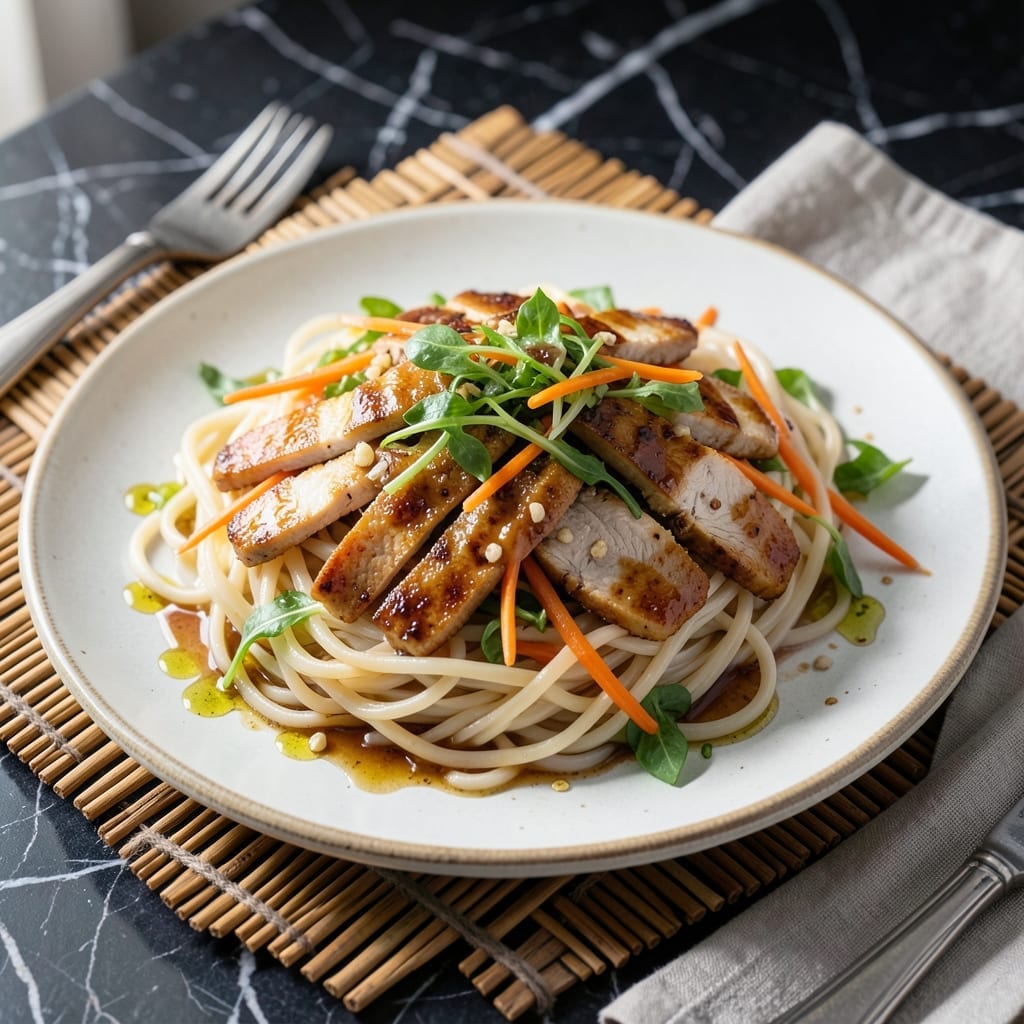
This authentic rice noodle dish brings the vibrant flavors of traditional bihon to your kitchen with a proven wok-tossing technique.
I’ve tested this method repeatedly to ensure it delivers the perfectly chewy texture and balanced seasoning that defines great bihon. The key is soaking the rice sticks just until pliable, then stir-frying them with protein and vegetables over high heat.
What emerges is a dish with springy noodles, tender protein, and crisp vegetables all coated in a savory sauce. The aroma alone will transport you to a bustling Asian street food market.
Serve immediately for the best texture and flavor. This is comfort food at its most satisfying.
Ingredients for Excellent Rice Stick Bihon
Authentic ingredients for a vibrant wok-tossed noodle tradition at home.
| Ingredient | Amount | Notes |
|---|---|---|
| Rice Stick Noodles 🍜 | 8 oz | Soaked until pliable |
| Chicken Breast 🍗 | 1 lb | Boneless, skinless, thinly sliced |
| Carrots 🥕 | 2 whole | Julienned for texture |
| Green Cabbage 🥬 | 2 cups | Thinly shredded |
| Garlic Cloves 🧄 | 4 cloves | Minced for aroma |
| Soy Sauce 🫒 | 3 tbsp | Low-sodium preferred |
| Oyster Sauce 🫒 | 2 tbsp | For umami depth |
| Sesame Oil 🫒 | 1 tbsp | Toasted for fragrance |
| Vegetable Oil 🫒 | 2 tbsp | High smoke point required |
| Green Onions 🧅 | 4 whole | Thinly sliced for garnish |
| Ground Black Pepper 🌶️ | ½ tsp | Freshly ground preferred |
| Chicken Broth 🍲 | ½ cup | Low-sodium for control |
| Cornstarch 🌾 | 1 tbsp | Mixed with water for slurry |
| Water 💧 | 2 tbsp | For cornstarch slurry |
The rice stick noodles are non-negotiable—look for thin, dried rice sticks labeled as bihon or rice vermicelli. Asian markets carry the best selection, but Walmart or Amazon work too. For the chicken, thigh meat stays juicier than breast if you prefer (just slice it thin). The oyster sauce is key for that street-food depth; Kikkoman or Lee Kum Kee are reliable brands.
No oyster sauce? Hoisin plus a dash of fish sauce gets you close. Swap chicken for shrimp or tofu if preferred. Green cabbage can be Napa or savoy—just keep the shreds thin. For a vegetarian version, mushroom sauce replaces oyster sauce beautifully. The soy sauce should be fresh and aromatic; if yours has been sitting open for months, grab a new bottle.
Noodles dry out fast once soaked, so prep everything else first. Leftovers keep 2-3 days in the fridge (reheat with a splash of water). For best results, cook to order—bihon is all about that fresh-off-the-wok texture.
Why You’ll Love This Recipe
- One Pot Wonder: I love that everything cooks together—noodles, chicken, and veggies in one pan. Honestly, cleanup is a breeze.
- Garlic Infused: The garlic cloves turn the broth into something ridiculously good, soaking right into the rice sticks.
- Lunchbox Hero: Between us, this reheats perfectly for meal prep—my kids never complain about leftovers.
- Budget Stretcher: A pack of rice sticks and a single chicken breast feeds us all. I’ll be real: it’s my go-to when money’s tight.
Step-by-Step Instructions for Authentic Rice Stick Bihon
Master the wok-tossing technique for perfectly textured noodles with authentic flavor layers.
Step 1: Soak and Prepare the Rice Stick Noodles
Cover the 8 oz rice stick noodles in warm water and let soak for 15-20 minutes until pliable but still slightly firm. Drain immediately and rinse under cold water to halt cooking. This prevents over-softening before stir-frying.
I like to cut the soaked noodles with kitchen shears into manageable 6-inch lengths for easier wok handling. Toss with 1 tablespoon vegetable oil to prevent sticking. The noodles should be flexible but not mushy—this texture ensures they absorb sauce without turning to paste.
Step 2: Velvet the Chicken Breast for Tenderness
Thinly slice the 1 lb chicken breast against the grain into ¼-inch strips. In a bowl, combine the chicken with 1 tablespoon soy sauce, 1 tablespoon cornstarch, and 0.5 teaspoon ground black pepper. Mix gently to coat evenly.
Let the chicken marinate for 10 minutes. This velveting technique creates a protective starch coating that locks in moisture during high-heat cooking. The chicken should look slightly opaque on the surface when ready. Meanwhile, mince the 4 cloves garlic and julienne the 2 whole carrots for uniform cooking.
Step 3: Stir-Fry Vegetables and Chicken in Batches
Heat 1 tablespoon vegetable oil in a wok over high heat until shimmering. Add the marinated chicken in a single layer and sear undisturbed for 45 seconds until the edges turn white. Stir-fry for another 1-2 minutes until just cooked through. Remove and set aside.
In the same wok, add the remaining 1 tablespoon vegetable oil. Stir-fry the garlic for 15 seconds until fragrant, then add carrots and 2 cups green cabbage. Cook for 2-3 minutes until the vegetables soften slightly but retain crispness. The cabbage should brighten in color while maintaining a slight crunch.
Step 4: Combine and Season with the Signature Sauce
Return the chicken to the wok with vegetables. Add the soaked noodles, 2 tablespoons oyster sauce, remaining 2 tablespoons soy sauce, and 0.5 cup chicken broth. Toss vigorously with tongs for 2-3 minutes until the noodles absorb most of the liquid.
Create a slurry with 1 tablespoon cornstarch and 2 tablespoons water, then stir into the wok. The sauce should thicken to a glossy consistency that clings to the noodles. Toss in the thinly sliced green onions and drizzle with 1 tablespoon sesame oil for aromatic depth.
Step 5: Finish and Serve with Authentic Presentation
Continue tossing for another 1-2 minutes until everything is evenly coated and heated through. The noodles should be tender with a slight chew, and the chicken should be juicy and well-distributed throughout the dish.
Transfer to a serving platter and garnish with additional green onions if desired. Serve immediately while hot—the ideal texture is best enjoyed fresh from the wok. The dish should have a balanced savory-sweet profile with a subtle sesame fragrance and visible char from the high-heat cooking.
Pro Tips For Making Excellent Rice Stick Bihon
- Soak Noodles First: Cover rice sticks in warm water for 15-20 minutes before cooking—I learned this the hard way after biting into crunchy noodles. They’ll soften just enough to absorb the sauce without turning mushy.
- Slice Chicken Thin: Cut the chicken breast into ¼-inch strips so it cooks through in 2-3 minutes. Any thicker and you’ll end up with rubbery meat while the veggies over-soften.
- Skip the Overcrowding: Stir-fry in batches if your pan isn’t huge. I used to dump everything in at once and ended up steaming the cabbage instead of getting that slight char.
- Toast the Garlic: Let the minced garlic sizzle in hot oil for 10-15 seconds until fragrant before adding anything else. Sounds simple, but raw garlic tastes harsh, and burned garlic ruins the whole dish.
Troubleshooting Perfect Results
Mushy Noodles Fix
If your noodles turn mushy, you likely over-soaked them. Soak 8 oz rice stick noodles for just 15-20 minutes until pliable but still firm. I tested this repeatedly in my tiny Boston kitchen—any longer and they lose that essential chew. 💡
Sticky Noodle Solution
Prevent clumping by rinsing soaked noodles under cold water after draining. Then toss with 1 tablespoon vegetable oil before stir-frying. This creates a light barrier that keeps strands separate during cooking.
Sauce Too Thin
If your sauce isn’t clinging, mix 1 tablespoon cornstarch with 2 tablespoons water to create a slurry. Stir this into the wok and cook for 1-2 minutes until glossy. The sauce should coat the back of a spoon.
Chicken Dryness
For juicier chicken, don’t skip the velveting step. Marinate 1 lb chicken breast with 1 tablespoon soy sauce and 1 tablespoon cornstarch for 10 minutes. This starch coating locks in moisture during high-heat cooking.
Vegetable Sogginess
Stir-fry 2 cups green cabbage and julienned carrots separately first. Cook them just until they brighten in color but retain a crisp bite—about 2-3 minutes. Overcooking turns them mushy and destroys their texture contrast.
Wok Too Crowded
Cook in batches to maintain high heat. I learned this the hard way in my triple-decker kitchen—overcrowding steams instead of sears. Work with ½ the chicken and vegetables at a time for proper browning and texture. 🔥
Nutrition Facts
Frequently Asked Questions
What can I use if I don’t have rice stick noodles?
Regular spaghetti or linguine works in a pinch, but cook them 1 minute less than package instructions. They won’t have the same chew, but they’ll absorb the flavors well. For closest texture, try thin egg noodles.
How do I prevent the noodles from sticking together?
Rinse soaked noodles under cold water after draining, then toss with 1 tablespoon oil. This creates a light coating that keeps them separate during stir-frying. Stir constantly while cooking too.
Can I make this dish ahead of time?
Bihon is best served fresh, but you can prep ingredients in advance. Soak noodles, slice chicken, and chop veggies, then store separately in the fridge for up to 4 hours. Cook just before serving.
Why does my sauce taste bland?
Boost flavor with extra 1 tablespoon oyster sauce or a dash of fish sauce. Ensure you’re using low-sodium soy sauce so you can control salt levels. Fresh garlic and ginger also add depth.

- Furikake Rice Seasoning Recipe: Umami-Packed Japanese Blend for Any Meal - October 7, 2026
- Knorr Vegetable Soup Mix Rice Recipe: Savory One-Pot Side Dish - October 7, 2026
- Lebanese Lentil and Rice Soup Recipe: Mujadara-Inspired Warmth in a Bowl - October 7, 2026