
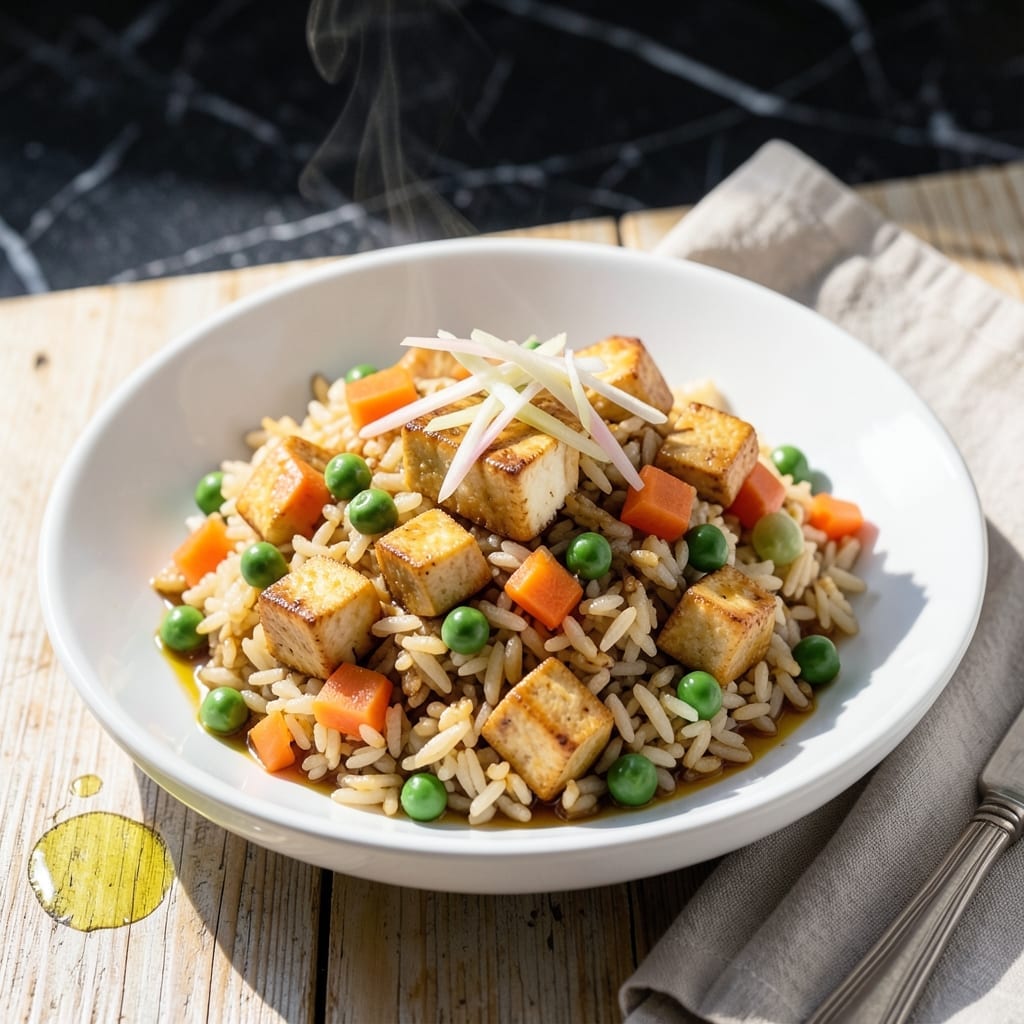
Creating flavorful fried rice without onion or garlic is simpler than you might think. I developed this method after testing multiple seasoning combinations in my small kitchen, focusing on ingredients that deliver depth without the usual alliums.
This version relies on ginger, soy sauce, and a touch of sesame oil to build layers of taste. The technique ensures each grain stays separate while absorbing the savory, umami-rich flavors. It’s a foolproof approach that works every time.
What you’ll get is a dish with restaurant-quality texture and taste, proving that allergies don’t mean sacrificing flavor. The rice stays light and fluffy, with just the right amount of seasoning in every bite.
Perfect for a quick weeknight meal or using up leftovers. Here’s how to make it.
Ingredients for Fried Rice Recipe Without Onion Garlic
Nothing exotic here—just good stuff for allergy-friendly flavor without missing a beat.
| Ingredient | Amount | Notes |
|---|---|---|
| Cooked White Rice 🍚 | 4 cups | Day-old, chilled preferred |
| Vegetable Oil 🫒 | 3 tbsp | High smoke point variety |
| Fresh Ginger Root 🌿 | 1 tbsp | Finely grated or minced |
| Carrots 🥕 | ¾ cup | Small diced for even cooking |
| Frozen Green Peas 🌱 | ¾ cup | Thawed and drained |
| Soy Sauce 💧 | 3 tbsp | Low-sodium or regular |
| Sesame Oil 🫒 | 1 tsp | Toasted variety preferred |
| Rice Vinegar 💧 | 1 tbsp | Seasoned or unseasoned |
| Salt 🧂 | ½ tsp | Adjust to taste |
| Ground White Pepper 🌶️ | ¼ tsp | For subtle heat |
| Green Onions 🧅 | ¼ cup | Thinly sliced for garnish |
| Firm Tofu 🍛 | 8 oz | Pressed and crumbled |
| Cornstarch 🌾 | 1 tbsp | For crispier tofu |
The ginger is non-negotiable here—fresh only, no ground stuff from the spice aisle. Look for firm roots with smooth skin at Whole Foods or any Asian market (they usually have the best selection). The rice needs to be cold and dry, so leftovers from last night are perfect. If you’re starting fresh, spread it on a tray to cool quickly. Jasmine rice gives the best texture, but any long-grain works in a pinch.
No soy sauce? Tamari or coconut aminos work as direct swaps. Out of sesame oil? Another neutral oil plus 1/4 tsp toasted sesame seeds gets you close. The tofu can be any firm variety—extra-firm holds up best. If you’re skipping tofu, add extra veggies like bell peppers or snap peas. The white pepper is a subtle touch, but black pepper works too (just use half as much).
Fridge life is 4-5 days—the tofu actually soaks up more flavor overnight. Freezes beautifully for 3 months (portion into containers for easy reheating). Pro tip: spread leftover rice on a tray to cool before storing—prevents that dreaded mushy texture.
Why You’ll Love This Recipe
- One Pan Wonder: I toss everything into a single skillet—no fancy prep, just rice, ginger, and veggies sizzling together.
- Fresh Ginger Zing: That warm, spicy kick from the ginger makes this taste anything but boring.
- Lunchbox Hero: I pack leftovers for work and it reheats like a dream. No soggy mess here.
- Pantry Friendly: Frozen peas and carrots mean I can make this any night without a last-minute grocery run.
Step-by-Step Instructions for Allergy-Friendly Fried Rice
Here’s the method. Straightforward, tested, works every time.
Step 1: Prep the Tofu for Maximum Crisp
Press the 8 oz firm tofu between paper towels for 15 minutes to remove excess moisture. I like to place a heavy pan on top to speed up the process. The drier the tofu, the crispier it gets in the pan.
Cut the tofu into small cubes, then toss with 1 tbsp cornstarch until evenly coated. This creates a light crust that holds up against the other ingredients. Heat 1 tbsp vegetable oil in a wok over medium-high heat and cook the tofu for 5-6 minutes until golden brown on all sides.
Step 2: Sauté the Aromatics and Vegetables
In the same wok, add the remaining 2 tbsp vegetable oil and heat until shimmering. Add the 1 tbsp fresh ginger root and stir-fry for 30 seconds until fragrant. Here’s where the flavor foundation builds—ginger adds warmth without the alliums.
Add the 0.75 cup carrots and cook for 3-4 minutes until they begin to soften. Then stir in the 0.75 cup frozen green peas and cook for another 2 minutes. The peas should turn bright green and heat through completely.
Step 3: Combine Rice and Seasonings
Add the 4 cups cooked white rice to the wok, breaking up any clumps with your spatula. I always use day-old, chilled rice because it fries up fluffier. Stir-fry for 2-3 minutes until the rice is hot and slightly toasted.
Pour in the 3 tbsp soy sauce, 1 tsp sesame oil, 1 tbsp rice vinegar, 0.5 tsp salt, and 0.25 tsp ground white pepper. Toss everything together for 1-2 minutes until the rice is evenly coated and the flavors meld.
Step 4: Finish and Garnish
Return the crispy tofu to the wok and stir to combine. Cook for an additional 1-2 minutes to heat through. Taste and adjust seasoning if needed—I sometimes add an extra pinch of salt if the soy sauce isn’t bold enough.
Transfer to serving plates and garnish with the 0.25 cup green onions. The green onions add a fresh, mild bite that complements the dish without overpowering it. Serve immediately while hot, with extra soy sauce on the side if desired.
Pro Tips For Making Fried Rice Recipe Without Onion Garlic
- Chill the Rice: Use day-old, cold rice straight from the fridge—it fries up fluffier and less mushy. I learned this the hard way after ruining two batches with fresh, sticky rice.
- Grate the Ginger: Fresh ginger can be fibrous, so grate it finely (about 1 teaspoon) for even distribution and no chewy bits in your fried rice.
- High Heat Only: Crank the heat to medium-high and keep it there. Sounds obvious, but I used to wimp out and end up with soggy rice instead of that classic wok-seared texture.
- Thaw the Peas: Toss frozen peas into a bowl of warm water for 2-3 minutes before cooking—they’ll heat through faster and won’t turn your rice watery. My grandmother swore by this, and she was right.
Health Benefits of This Dish
Protein Powerhouse
This dish packs 20 grams of protein per serving from the 8 oz firm tofu, making it a complete plant-based protein source. Tofu contains all nine essential amino acids, crucial for muscle repair and immune function. I find it keeps me full for hours after eating. 💪
Low-Allergen Advantage
By omitting onion and garlic, this version is gentler on sensitive digestive systems while still delivering bold flavors. The fresh ginger root provides anti-inflammatory benefits without triggering common allergies. It’s a solution I wish I’d had during my early cooking experiments.
Rich in Antioxidants
The carrots and green peas contribute vitamins A and C, along with antioxidants like beta-carotene and lutein. These compounds support eye health and immune function. A single serving provides about 30% of your daily vitamin A needs.
Heart-Healthy Fats
The vegetable oil and sesame oil used in this recipe contain unsaturated fats, which help lower bad cholesterol levels. Sesame oil, in particular, is rich in sesamol, a compound with powerful antioxidant properties. I always opt for toasted sesame oil for maximum flavor.
Fiber Boost
With 4 cups cooked white rice and mixed vegetables, this dish offers a solid dose of dietary fiber. Fiber aids digestion and helps maintain steady blood sugar levels. For even more fiber, I sometimes swap in brown rice instead. 🌱
Low in Saturated Fat
This meal contains minimal saturated fat, making it a heart-smart choice. The tofu provides protein without the saturated fat found in many animal products. It’s a balanced option that fits well into a health-conscious diet.
Nutrition Facts
Frequently Asked Questions
Can I use fresh rice instead of day-old?
Fresh rice works but may turn mushy. Spread it on a tray for 30 minutes to dry before frying. Day-old is ideal for that perfect texture.
What can I substitute for ginger?
A pinch of ground coriander or 1/2 tsp asafoetida adds depth without alliums. Both work well in small amounts.
How do I make this gluten-free?
Swap soy sauce for tamari or coconut aminos. Both are naturally gluten-free and maintain the same savory flavor.
Can I add other vegetables?
Try bell peppers, snap peas, or broccoli. Cook harder veggies first to ensure even doneness.

- Fresh Turmeric Rice Recipe: Golden Grains with Earthy Warmth - October 7, 2026
- French Onion Brown Rice Recipe: Umami-Rich Grains With Caramelized Depth - October 7, 2026
- Rice Noodle Soup Recipe: Aromatic Broth with Silky Strands - October 7, 2026