
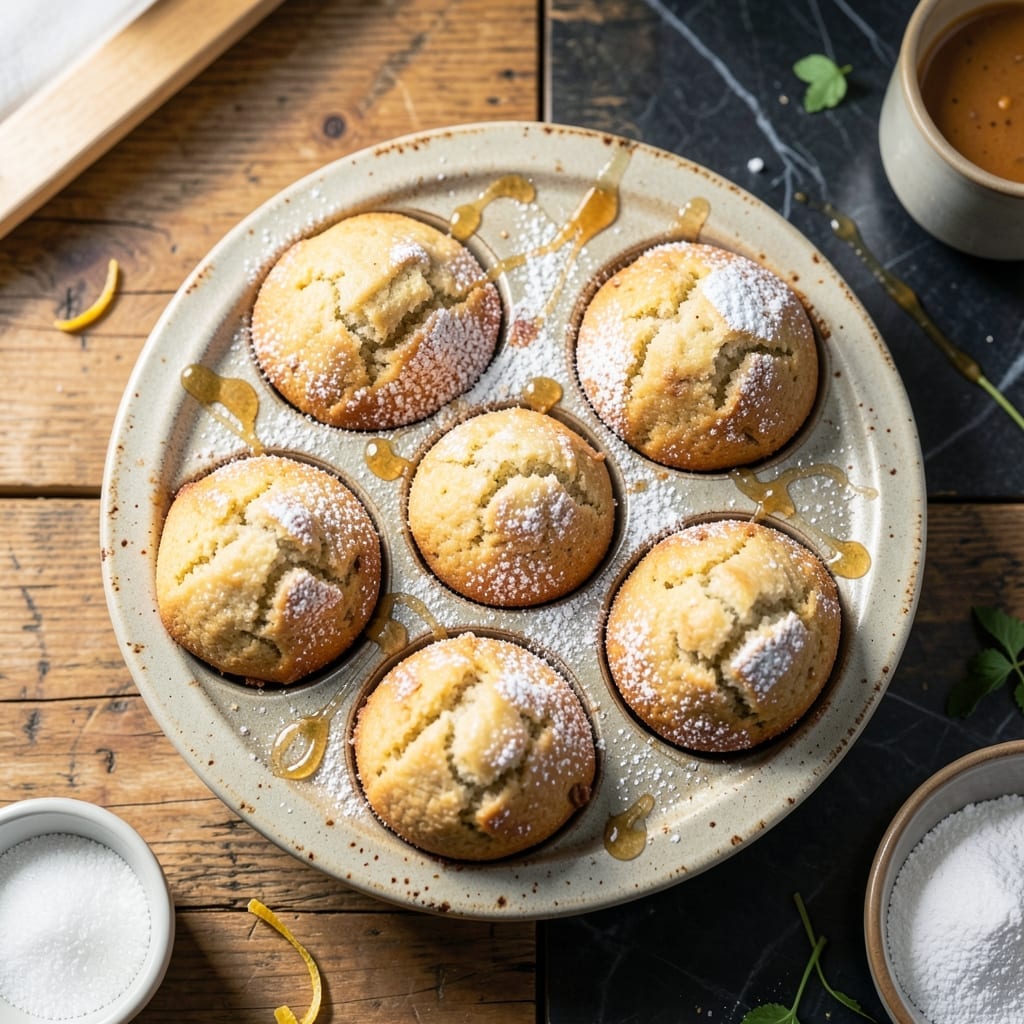
This rice flour muffin recipe delivers light, airy texture with a subtly nutty flavor that elevates gluten-free baking to new heights. The fine grain of rice flour creates a tender crumb that rivals traditional wheat-based versions.
With just a few simple ingredients and 30 minutes of baking time, you can achieve bakery-quality results at home. The muffins emerge golden with perfectly domed tops, ready to enjoy warm or at room temperature.
Ingredients for Gluten Free Muffin Recipe Rice Flour
Fine rice flour and almond flour create tender, bakery-quality muffins with ease.
| Ingredient | Amount | Notes |
|---|---|---|
| White Rice Flour 🌾 | 2 cups | Fine grain for tender crumb |
| Almond Flour 🌰 | ½ cup | Blanched, fine texture |
| Granulated Sugar 🍚 | ¾ cup | Fine white sugar preferred |
| Baking Powder 🧂 | 2 tsp | Aluminum-free for clean flavor |
| Salt 🧂 | ½ tsp | Fine sea salt |
| Large Eggs 🥚 | 2 whole | Room temperature for even mixing |
| Whole Milk 🥛 | 1 cup | Full-fat for richness |
| Unsalted Butter 🧈 | ½ cup | Melted and cooled slightly |
| Vanilla Extract 🌿 | 1 tsp | Pure vanilla for depth |
| Ground Cinnamon 🌶️ | ½ tsp | Optional, for warmth |
| Xanthan Gum 🧪 | ½ tsp | Binders gluten-free flours |
| Fresh Blueberries 🫐 | 1 cup | Gently folded in last |
The rice flour is non-negotiable here—Bob’s Red Mill or Authentic Foods offer the finest grind for optimal texture. Almond flour should be blanched and finely ground; Costco’s Kirkland brand is a cost-effective option without sacrificing quality. For baking powder, Clabber Girl or Rumford (aluminum-free) ensure a clean rise. Always check expiration dates on leavening agents—old baking powder loses potency fast.
No almond flour? Tapioca starch at half the amount maintains structure. Substitute coconut milk for dairy-free needs, though flavor may shift slightly. Xanthan gum can be replaced with psyllium husk at one-fourth the quantity (1/8 tsp per 0.5 tsp gum). Fresh blueberries are ideal, but frozen (unthawed) works—just toss in extra flour to prevent sinking.
Store rice and almond flours in airtight containers in the freezer for 6-12 months. Baked muffins keep at room temperature for 2 days or freeze for 3 months. Reheat frozen muffins wrapped in foil at 350°F for 10 minutes to restore freshness.
Why You’ll Love This Recipe
- One Bowl Wonder: I mix everything in a single bowl—no sifting, no fuss, just dump and stir.
- Light and Fluffy: The rice flour and almond flour combo gives them that perfect tender crumb without the grit.
- Breakfast or Snack: I bake a batch Sunday and we grab them all week—equally good with coffee or as a lunchbox treat.
- Stays Fresh: Honestly, they taste just as good on day three as day one, if they last that long.
Step-by-Step Instructions for Gluten Free Muffins with Rice Flour
Master the technique for light, airy muffins with perfect crumb structure every time.
Step 1: Combine Dry Ingredients for Optimal Texture
In a medium bowl, whisk together the 2 cups White Rice Flour, 0.5 cup Almond Flour, 0.75 cup Granulated Sugar, 2 tsp Baking Powder, 0.5 tsp Salt, 0.5 tsp Ground Cinnamon, and 0.5 tsp Xanthan Gum.
The xanthan gum is non-negotiable here—it mimics gluten’s elasticity in traditional muffins, preventing crumbliness. Whisk until no lumps remain in the White Rice Flour, which tends to clump. This creates a uniform base that ensures even rising and a consistent texture throughout your batch.
Step 2: Create the Wet Mixture with Precision
In a separate large bowl, beat the 2 whole Large Eggs lightly with a fork. Add the 1 cup Whole Milk, 0.5 cup Unsalted Butter (melted and cooled to room temperature), and 1 tsp Vanilla Extract. Stir until just combined—overmixing at this stage incorporates too much air.
The melted butter should be cool enough that it doesn’t cook the eggs when added. I always check by dipping my finger in—it should feel warm but not hot. This temperature control prevents the butter from solidifying when it meets the cold dry ingredients, which would create pockets of fat in your muffins.
Step 3: Fold Ingredients Together Gently
Pour the wet mixture into the dry ingredients. Using a silicone spatula, fold the batter together with a gentle J-shaped motion, rotating the bowl as you go. Stop mixing as soon as the last streaks of flour disappear—this should take no more than 15-20 folds.
Overmixing develops the starches in the White Rice Flour, which can make the muffins dense instead of light. The batter will be thick and slightly lumpy—that’s perfect. The Almond Flour adds a subtle nutty depth and helps create a tender crumb, but it requires this gentle handling to maintain its benefits.
Step 4: Incorporate Blueberries and Portion
Gently fold in the 1 cup Fresh Blueberries with just 2-3 turns of the spatula. To prevent sinking, I always toss the blueberries in 1 tablespoon of the White Rice Flour from the measured amount before adding them—this creates a light coating that helps them suspend in the batter.
Divide the batter evenly among 12 lined muffin cups, filling each about ¾ full. The batter will be thick enough to mound slightly. This portion size ensures proper rising without overflowing, and the mound will flatten slightly as it bakes, creating that classic muffin top.
Step 5: Bake to Golden Perfection
Bake at 375°F for 18-22 minutes, or until a toothpick inserted into the center comes out clean or with just a few moist crumbs. Rotate the pan halfway through for even browning, especially if your oven has hot spots.
Look for domed tops that spring back when lightly pressed and edges that are golden brown. The Almond Flour in the recipe may cause the muffins to brown slightly faster than traditional muffins, so start checking at the 18-minute mark. Let them cool in the pan for 5 minutes before transferring to a wire rack to prevent sogginess.
Pro Tips For Making Gluten Free Muffin Recipe Rice Flour
- Preheat the Pan: I learned this the hard way—gluten free batters need a hot start, so get that muffin tin in the oven for 5 minutes before adding the mix. Sounds weird, but it works.
- Whisk Dry Ingredients: After burning three batches, I finally figured out that rice flour and almond flour need thorough mixing with the baking powder to avoid dense, uneven muffins.
- Skip Overmixing: Gluten free batters thicken as they sit, so stir just until combined—any more and you’ll end up with tough muffins.
- Add an Egg: My grandmother swore by this, and she was right: one extra egg binds the rice flour better and gives the muffins a lighter crumb.
Health Benefits of This gluten free muffin recipe rice flour
Digestive Wellness
These muffins are naturally gluten-free, making them gentle on sensitive digestive systems. The rice flour base is easily digestible, while almond flour adds fiber without the heaviness of traditional wheat. Perfect for those managing celiac disease or gluten intolerance. 💪
Nutrient-Packed Ingredients
The almond flour provides 6g of protein per ¼ cup along with healthy fats and vitamin E. Blueberries add antioxidants, manganese, and 24% of your daily vitamin C per cup. Together, they create a snack that satisfies and nourishes.
Blood Sugar Benefits
With a lower glycemic index than wheat flour, rice flour helps prevent blood sugar spikes. The fiber from almond flour and protein from eggs slow digestion further, providing steady energy release. I notice fewer energy crashes after eating these compared to traditional muffins.
Allergy-Friendly
This recipe avoids common allergens like wheat and nuts (if using sunflower seed flour instead of almond). The xanthan gum is plant-based, making it suitable for most dietary restrictions. Always check labels to confirm allergen-free certifications. 🌱
Bone Health Boost
The almond flour contributes 35% of daily calcium needs per ¼ cup, while whole milk adds more calcium and vitamin D. These nutrients work together to support strong bones and teeth. A single muffin provides a meaningful portion of your daily requirements.
Heart-Healthy Fats
Almond flour contains monounsaturated fats, the same heart-healthy fats found in olive oil. Combined with the antioxidants in blueberries, these muffins support cardiovascular health while delivering delicious flavor. I love that they taste indulgent while being good for my heart.
Nutrition Facts
Frequently Asked Questions
Can I substitute another flour for almond flour?
Yes, try tapioca starch at half the amount to maintain structure. Coconut flour isn’t recommended as it absorbs too much liquid.
Why is xanthan gum needed?
It mimics gluten’s elasticity, preventing crumbliness. Without it, the muffins may fall apart. Use 1/4 tsp psyllium husk as an alternative.
How do I prevent blueberries from sinking?
Toss them in 1 tablespoon rice flour before folding in. This creates a light coating that helps suspend them in the batter.
Can I make these dairy-free?
Replace whole milk with coconut milk and use dairy-free butter. Flavor may shift slightly but texture remains the same.

- Fresh Turmeric Rice Recipe: Golden Grains with Earthy Warmth - October 7, 2026
- French Onion Brown Rice Recipe: Umami-Rich Grains With Caramelized Depth - October 7, 2026
- Rice Noodle Soup Recipe: Aromatic Broth with Silky Strands - October 7, 2026