
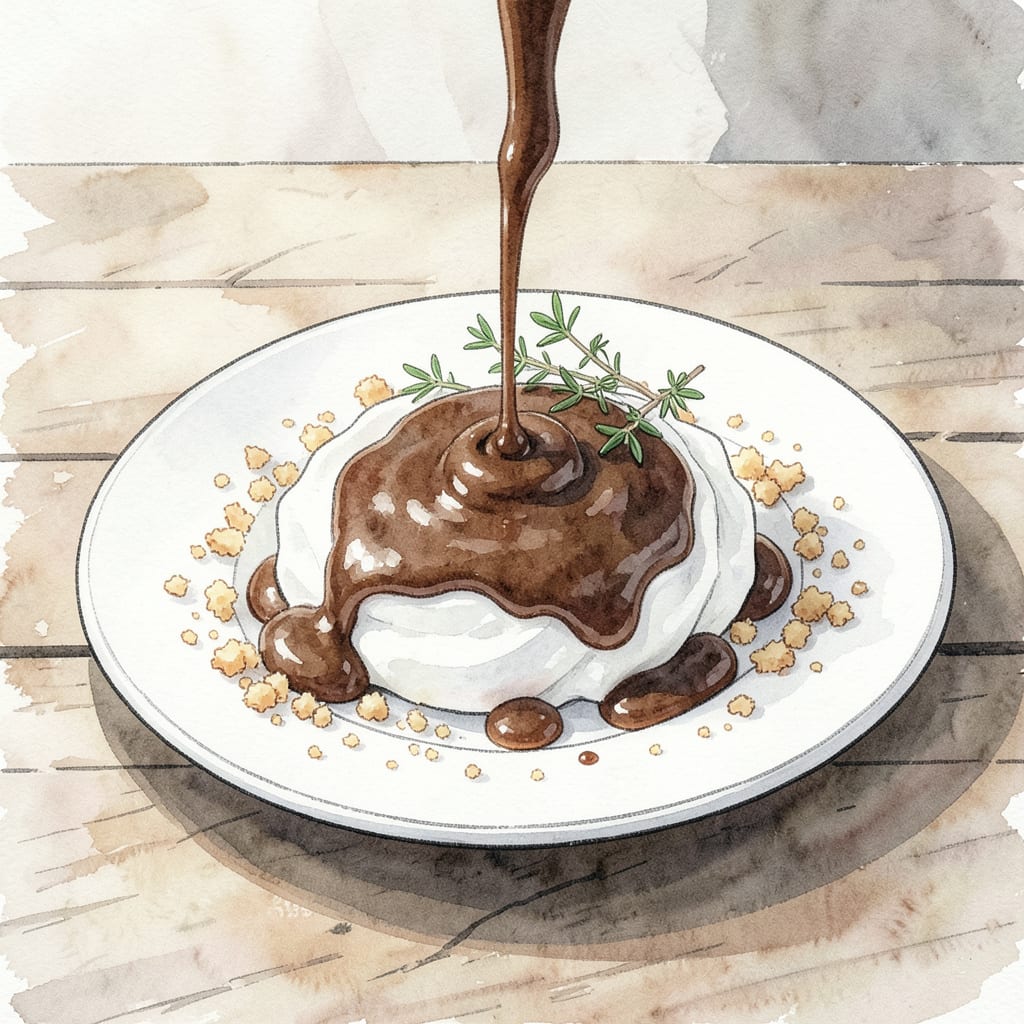
Elevate your holiday meals with this rich and savory gravy recipe using chicken broth. Perfect for complementing roasted meats, this gravy is both easy to make and packed with flavor, making it a staple for any special occasion.
With just a few simple ingredients and 15 minutes of preparation, you’ll have a delicious accompaniment to your favorite dishes. Let’s create this flavorful gravy that will become a family favorite!
Ingredients for Gravy Recipe with Chicken Broth
Simple ingredients come together to create this rich and savory chicken broth gravy.
| Ingredient | Amount | Notes |
|---|---|---|
| All-Purpose Flour 🌾 | 2 tbsp | For thickening gravy |
| Unsalted Butter 🧈 | 2 tbsp | For roux base |
| Chicken Broth 🍲 | 2 cups | Low-sodium preferred |
| Salt 🧂 | ½ tsp | Kosher or sea salt |
| Black Pepper 🌶️ | ¼ tsp | Freshly ground preferred |
| Dried Thyme 🌿 | ¼ tsp | Optional for extra flavor |
For the best flavor, use low-sodium chicken broth so you can control the salt. Most grocery stores carry it in their regular stock or organic section. If you’re feeling fancy, homemade broth takes it to the next level (but store-bought is fine). I usually grab mine from Costco when I’m doing a big batch, but the regular supermarket stuff works fine for a weeknight dinner.
No thyme? Dried oregano or parsley can step in. Want a richer gravy? Use pan drippings from your roast (about 2 tbsp) along with the butter. The flour is crucial for thickening—don’t skip it. If lumps form, whisk vigorously or strain the gravy through a fine-mesh sieve. For a gluten-free version, cornstarch or arrowroot powder works as a thickener (mix with cold water first).
Gravy keeps in the fridge for 4-5 days and freezes beautifully for 3 months. Reheat gently on the stovetop, whisking constantly. If it thickens too much, thin it out with a little extra broth or water. I portion mine into containers so I can grab just what I need.
Step-by-Step Instructions for Gravy with Chicken Broth
Here’s the method for creating a rich, savory gravy that elevates any meal.
Step 1: Create the Roux Base
Start by melting the 2 tbsp Unsalted Butter in a medium saucepan over medium heat. Once melted and foamy, add the 2 tbsp All-Purpose Flour. Whisk continuously for 1-2 minutes until the mixture forms a smooth, light golden paste. Be careful not to let it darken too quickly—the ideal roux should be pale and have a nutty aroma.
Keep whisking as you cook the roux to prevent lumps from forming. If you notice it starting to brown too fast, reduce the heat slightly. The roux should be smooth and free of any raw flour taste when you’re done.
Step 2: Gradually Add Chicken Broth
Slowly pour in the 2 cups Chicken Broth while whisking vigorously to prevent lumps. Bring the mixture to a gentle simmer. You’ll notice it start to thicken within 2-3 minutes as it cooks. Continue whisking constantly during this process.
If you encounter any lumps, don’t panic—just keep whisking. The heat will help dissolve them. For an extra-smooth gravy, you can strain it through a fine-mesh sieve after thickening.
Step 3: Season and Finish the Gravy
Reduce the heat to low and add the 0.5 tsp Salt, 0.25 tsp Black Pepper, and 0.25 tsp Dried Thyme if using. Let the gravy simmer gently for 5-7 minutes until it reaches your desired consistency. It should coat the back of a spoon and leave a thin, even film.
Taste and adjust seasoning as needed. If the gravy becomes too thick, whisk in a little more chicken broth. For a richer flavor, you can add a tablespoon or two of pan drippings from your roasted meat.
Essential Equipment for Great gravy recipe with chicken broth
Essential Pots and Pans
A medium saucepan is crucial for making gravy as it allows for proper whisking and heat distribution. I prefer a 3-quart stainless steel pan with a heavy bottom as it prevents scorching and makes whisking easier. Avoid non-stick pans for gravy making—the constant whisking can damage the coating.
Whisking Tools
A sturdy whisk is your best friend when making gravy. I use a 10-inch balloon whisk that can reach into the corners of my pan and break up any lumps effectively. For particularly stubborn lumps, a silicone spatula can help scrape the bottom of the pan.
Measuring Equipment
Accurate measurements are key to successful gravy making. I rely on digital kitchen scales for precise measurements of both dry and liquid ingredients. For smaller quantities like spices, adjustable measuring spoons come in handy. Having these tools on hand ensures your gravy turns out just right.
Storage Containers
Proper storage helps maintain your gravy’s quality. I use glass containers with airtight lids for refrigerator storage as they prevent flavor transfer and keep the gravy fresh for 4-5 days. For longer storage, freezer-safe containers or heavy-duty freezer bags work well. Label them with the date so you can track freshness.
Optional Equipment
While not essential, a fat separator can be useful if you’re using pan drippings in your gravy. It helps remove excess fat, resulting in a clearer gravy. Some cooks also like using an immersion blender to smooth out any lumps directly in the pot.
Care and Maintenance
After making gravy, clean your tools immediately to prevent dried-on residue. For stainless steel pans, a gentle scrubber works well without scratching the surface. Proper care extends the life of your cookware and makes future gravy making even easier. 🔥
Nutrition Facts
Frequently Asked Questions
Can I use homemade chicken broth instead of store-bought?
Yes, you can definitely use homemade chicken broth! In fact, homemade broth often has a richer flavor that can enhance your gravy. Just make sure it’s strained well before using to avoid any unwanted particles. For best results, use a low-sodium homemade broth so you can control the salt content.
How can I prevent lumps in my gravy?
To prevent lumps, whisk constantly when adding the chicken broth to the roux.
Can I make this gravy ahead of time? Yes, you can make the gravy ahead of time! It stores well in the refrigerator for 4-5 days and can be frozen for up to 3 months. When reheating, do so gently on the stovetop, whisking constantly. If it thickens too much, thin it out with a little extra chicken broth or water.
Can I use this gravy recipe for other types of broth?
Absolutely! While this recipe is designed for chicken broth, you can easily adapt it for other broths like turkey or beef. Just keep in mind that different broths may change the flavor profile slightly. For instance, using turkey broth will give a slightly different taste compared to chicken broth, while beef broth will make it richer and heartier.

- Jollof Rice Sauce Recipe: West African Tomato and Spice Infusion - September 25, 2026
- Japanese Rice Soup Recipe: Umami-Rich Comfort in a Bowl - September 25, 2026
- Homemade Cream Of Rice Recipe: Silk-Smooth Breakfast in Minutes - September 25, 2026