
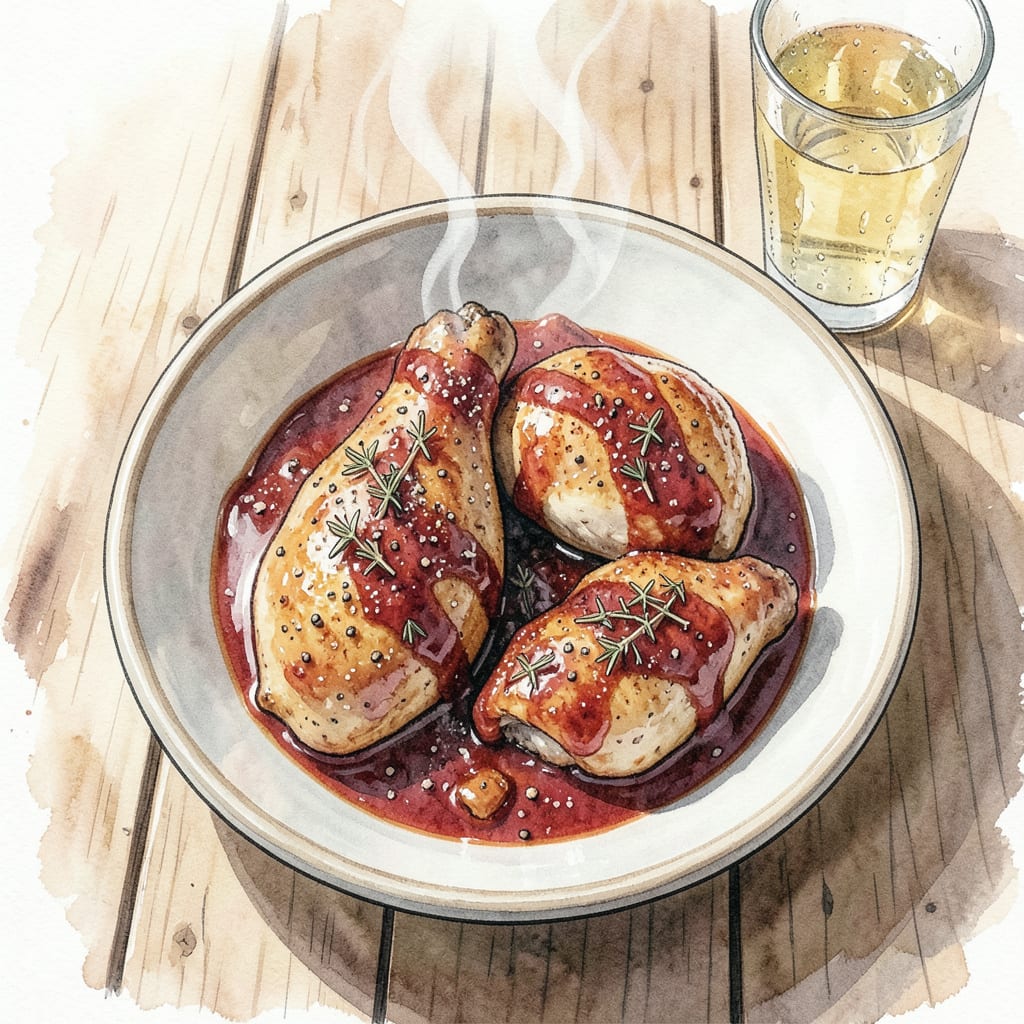
I’ve perfected a Montreal chicken seasoning recipe that delivers bold, authentic flavor to any protein. This dry spice blend combines the classic Montreal flavor profile with a custom blend of herbs and spices that will elevate your cooking.
With just a few teaspoons of this mix, you can transform chicken, beef, or pork into a restaurant-quality dish. The blend is easy to make and store, using common ingredients like paprika, garlic powder, and black pepper.
Ingredients for Montreal Chicken Seasoning
Eight spices blend together to create this bold Montreal chicken seasoning mix.
| Ingredient | Amount | Notes |
|---|---|---|
| Paprika 🌶️ | 2 tbsp | Sweet or smoked variety |
| Garlic Powder 🧄 | 1 tbsp | Not garlic salt |
| Onion Powder 🧅 | 1 tbsp | Fresh ground preferred |
| Black Pepper 🌶️ | 2 tsp | Freshly ground preferred |
| Kosher Salt 🧂 | 1 tsp | Or sea salt |
| Dried Thyme 🌿 | 1 tsp | Mexican oregano works too |
| Cayenne Pepper 🔥 | ½ tsp | Adjust for heat preference |
| Crushed Red Pepper 🌶️ | ¼ tsp | Optional, for extra heat |
For the best flavor, use Penzeys or bulk bins at natural food stores. Quality spices make a difference. I like to buy small amounts to keep things fresh. Spices lose punch fast once opened, so it’s worth restocking regularly. You can also find good options at Trader Joe’s.
No cayenne? Use red pepper flakes at half the amount. Want a different flavor profile? Try adding dried coriander or ground mustard. The thyme can be swapped with dried oregano if you prefer. If you’re out of garlic powder, you can use granulated garlic instead.
Store this mix in an airtight container in a cool, dark place. It’ll keep for 6 months. I like to make a big batch and portion it out into smaller jars for gift-giving or quick use later. Label them clearly so you know what’s inside.
Step-by-Step Instructions for Montreal Chicken Seasoning
Here’s the method to create this versatile spice blend that’s ready in minutes.
Step 1: Combine the Spice Ingredients
In a small bowl, mix together the 2 tbsp Paprika, 1 tbsp Garlic Powder, and 1 tbsp Onion Powder until they’re evenly distributed. I like to use a small whisk for this job as it helps break up any clumps in the spices.
Make sure you’re using the exact quantities from the ingredients list to maintain the signature Montreal seasoning flavor profile. The paprika provides a rich base while the garlic and onion powders add depth.
Step 2: Add the Remaining Spices
Add the 2 tsp Black Pepper, 1 tsp Kosher Salt, and 1 tsp Dried Thyme to the bowl. I prefer using freshly ground black pepper for the best flavor.
Mix these ingredients into the paprika mixture until you have a uniform blend. The black pepper adds a sharp kick while the thyme contributes an herbal note.
Step 3: Incorporate the Heat Elements
Finally, add the 0.5 tsp Cayenne Pepper and 0.25 tsp Crushed Red Pepper to the mixture. If you prefer a milder blend, you can reduce or omit these ingredients.
Mix everything together thoroughly. The cayenne and crushed red pepper add a spicy dimension that characterizes Montreal seasoning.
Step 4: Store Your Homemade Seasoning
Transfer the mixed seasoning blend to an airtight container. I like to use small glass jars with tight-fitting lids to preserve the flavors.
Store the container in a cool, dark place. The seasoning will keep for several months when stored properly, but it’s best used fresh for maximum flavor impact.
Troubleshooting This Recipe
Common Mixing Mistakes
One of the most common issues with homemade Montreal chicken seasoning is uneven distribution of spices. To avoid this, I use a small whisk to mix the ingredients thoroughly.
Storage Problems
Improper storage can cause your seasoning blend to lose potency quickly. Store your mix in an airtight container in a cool, dark place. I prefer using small glass jars with tight-fitting lids to preserve the flavors. This will help maintain the blend’s freshness for up to 6 months.
Heat Level Issues
If you find the seasoning too spicy, reduce or omit the cayenne pepper and crushed red pepper. For a spicier blend, you can increase these ingredients gradually to your taste. Remember that the heat will mellow out slightly when cooked, so it’s better to start with a conservative amount.
Flavor Profile Adjustments
If the flavor isn’t quite right, you can tweak the mix. For a smokier flavor, try adding 1 tsp smoked paprika. If you prefer a more herbal note, increase the dried thyme to 1.5 tsp. These adjustments can help you customize the blend to your taste preferences.
Using the Seasoning on Different Proteins
This Montreal chicken seasoning isn’t just for chicken! It works beautifully on steak, pork chops, or even roasted vegetables. For different proteins, adjust the amount you use: about 1 tsp per pound of meat is a good starting point. You can rub it directly onto the protein or mix it with a bit of olive oil to create a paste for better adherence.
Reviving Old Seasoning
If your seasoning blend has lost some of its potency over time, you can revive it by adding a fresh batch of the key ingredients. Sometimes, just adding a bit more black pepper or garlic powder can bring it back to life. However, if the blend is older than 6 months, it’s usually best to make a fresh batch for the best flavor. 🔥
Nutrition Facts
Frequently Asked Questions
How long does homemade Montreal chicken seasoning last?
When stored properly in an airtight container in a cool, dark place, this seasoning blend maintains its best quality for 6 months. The potency may decrease over time, but it remains safe to use.
Can I adjust the heat level in this recipe?
Yes, you can easily customize the heat level to your preference. To make it milder, reduce or omit the cayenne pepper and crushed red pepper. For a spicier version, increase these ingredients gradually.
What proteins work well with Montreal chicken seasoning?
This versatile blend isn’t just for chicken! It works beautifully on steak, pork chops, and even roasted vegetables. Use about 1 tsp per pound of meat as a starting point.
How do I prevent uneven spice distribution?
To ensure even distribution, mix the ingredients thoroughly using a small whisk. This helps break up any clumps and blends the spices uniformly, resulting in a consistent flavor.

- Jollof Rice Sauce Recipe: West African Tomato and Spice Infusion - September 25, 2026
- Japanese Rice Soup Recipe: Umami-Rich Comfort in a Bowl - September 25, 2026
- Homemade Cream Of Rice Recipe: Silk-Smooth Breakfast in Minutes - September 25, 2026