
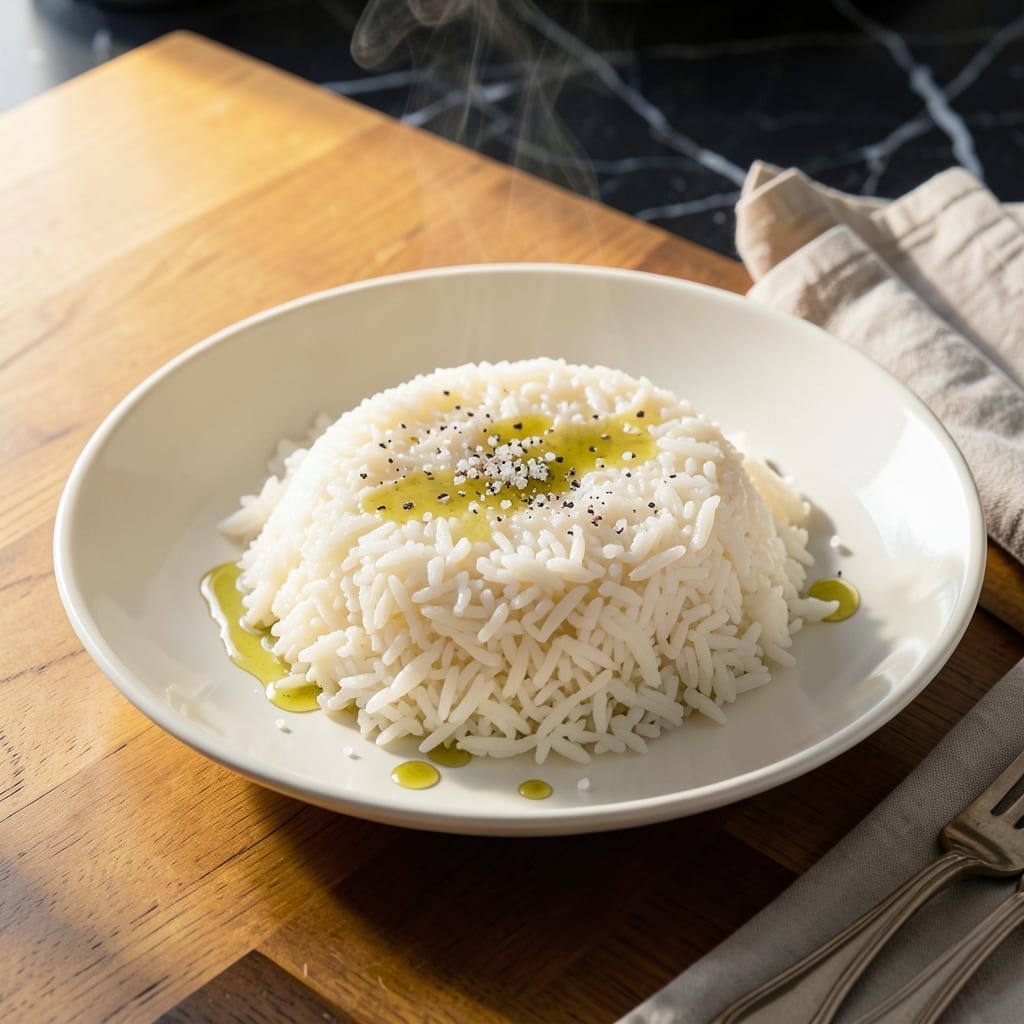
Mastering perfect white rice is simpler than most realize, and this method delivers fluffy, separate grains every time. I developed this approach after years of testing ratios and techniques in my tiny Boston kitchen.
The key lies in precise measurements and timing. Using a 1:1.5 rice-to-water ratio and allowing the rice to rest after cooking ensures consistent results. This technique works with any standard long-grain white rice.
What emerges is rice with distinct, tender grains that hold their shape. The texture is light and airy, never sticky or mushy, making it the ideal base for any meal. It pairs equally well with simple proteins or complex sauces.
This foolproof method requires no special equipment, just a pot with a tight lid and patience. The process takes about 20 minutes from start to finish.
Ingredients for Hellofresh White Rice
Four ingredients transform into fluffy, separate grains with precise technique and timing.
| Ingredient | Amount | Notes |
|---|---|---|
| Long-Grain White Rice 🌾 | 1 ½ cups | Rinsed until water runs clear |
| Water 💧 | 2 ¼ cups | Filtered or tap, room temperature |
| Kosher Salt 🧂 | ½ tsp | Diamond Crystal preferred for consistency |
| Neutral Oil 🫒 | 1 tsp | Vegetable or avocado oil |
The rice quality matters—long-grain varieties like jasmine or basmati yield the best texture. Avoid instant rice, which lacks the structure for distinct grains. Whole Foods or Trader Joe’s carry high-quality options. Rinsing is non-negotiable: it removes excess starch that causes stickiness. Use a fine-mesh strainer and cold water until the rinse runs clear (usually 3-4 times).
No long-grain white rice? Basmati or jasmine at a 1:1.25 rice-to-water ratio works with slight adjustments. Short-grain or sushi rice will be stickier—save those for other dishes. The salt can be table salt at one-third the amount, but Diamond Crystal’s coarser grain dissolves more evenly. For oil, any neutral variety is fine (grapeseed, canola).
Uncooked rice keeps in a sealed container for 1-2 years in a cool, dry pantry. Cooked rice stays fresh in the fridge for 4-5 days or freezes for 6 months. Store in airtight containers to prevent moisture absorption or freezer burn. Reheat with a splash of water to revive texture.
Why You’ll Love This Recipe
- Set It & Forget It: I toss everything in the pot, cover it, and walk away—no stirring, no fuss.
- Subtle Perfection: That hint of neutral oil and kosher salt turns plain rice into something I actually crave.
- Meal Prep MVP: Pairs with literally anything—stir-fries, curries, even last night’s leftover chicken.
- Penny Pincher: A pound of long-grain rice costs less than my coffee and lasts for days.
Step-by-Step Instructions for Fluffy White Rice
This method guarantees perfectly cooked grains with minimal effort and maximum consistency.
Step 1: Rinse the Rice Thoroughly
Place the 1.5 cups Long-Grain White Rice in a fine-mesh strainer and rinse under cold running water. I agitate the grains gently with my hand, watching as the water changes from cloudy to completely clear. This removes excess starch that can lead to gummy, clumped rice.
Continue rinsing for 1-2 minutes until the water runs transparent. I’ve found that skipping this step results in rice that sticks together rather than separating into individual, fluffy grains. Shake the strainer gently to remove excess water before proceeding.
Step 2: Toast the Rice for Enhanced Flavor
In a medium saucepan with a tight-fitting lid, heat the 1 tsp Neutral Oil over medium heat until it shimmers slightly. Add the rinsed rice and stir to coat each grain evenly. I cook the rice for 1-2 minutes, stirring constantly, until it becomes slightly translucent at the edges.
This toasting step develops a subtle nutty aroma and prevents the rice from becoming mushy. The grains should appear slightly pearlescent when ready. Be careful not to let the rice brown—this indicates it’s beginning to burn rather than toast.
Step 3: Add Water and Salt Then Simmer
Pour in the 2.25 cups Water and add the 0.5 tsp Kosher Salt. Stir once to distribute the rice and salt evenly, then immediately bring to a rolling boil over high heat. I watch for small bubbles breaking the surface consistently across the entire pan.
Once boiling, reduce the heat to low, cover with the lid, and maintain a gentle simmer. You should see just a few small bubbles and hear a quiet, steady simmering sound. This controlled heat ensures even cooking without burning the bottom layer.
Step 4: Cook Undisturbed Then Rest
Allow the rice to cook, covered, for 15 minutes. I resist the urge to lift the lid and check—releasing steam interrupts the cooking process and can lead to unevenly cooked rice. The grains will absorb all the water during this time.
After 15 minutes, remove the pan from heat and let it rest, covered, for an additional 10 minutes. This resting period allows the rice to steam in its own moisture, ensuring every grain is perfectly tender. The rice is done when it’s light and fluffy with no hard centers.
Fluff with a fork before serving to separate the grains. The result should be distinct, individual grains that hold their shape while remaining tender.
Pro Tips For Making Hellofresh White Rice
- Rinse the Rice: I learned this the hard way—skipping the rinse leaves your rice gummy. A quick 30-second wash under cold water removes excess starch for fluffier grains.
- Use the Right Ratio: For long-grain white rice, stick to 1:1.5 rice-to-water ratio. sounds weird, but it works every time—no mushy or crunchy surprises.
- Cover and Rest: Once the water’s gone, turn off the heat and let it sit covered for 10 minutes. My grandmother swore by this, and she was right: it steams the rice to perfection.
- Add Oil Last: Stir in the neutral oil after cooking, not before. I was skeptical until I tried it—it keeps the grains separate without making them greasy.
Health Benefits of This hellofresh white rice
Energy Boost
White rice provides a quick energy source with its 45 grams of carbohydrates per cup, making it ideal for active days. The simple carbs break down efficiently, fueling your body without weighing you down. I often make this after my morning walks along the Charles River. 💪
Gentle on Digestion
This staple is naturally low in fiber, which makes it easy to digest—a blessing for sensitive stomachs. The gentle nature of white rice makes it a go-to for me when I need something comforting yet light. It’s been a family remedy for generations in my Irish-Italian household.
Fortified Nutrients
Most white rice in the US is enriched with essential vitamins and minerals. A 1-cup serving typically includes 15% of your daily iron and 10% of B vitamins like thiamine and folate. These nutrients support metabolism and red blood cell production.
Gluten-Free Goodness
Naturally gluten-free, this rice is perfect for anyone with celiac disease or gluten sensitivity. I’ve served it to friends with dietary restrictions, and it always receives rave reviews. It pairs beautifully with any protein or sauce without worrying about cross-contamination. ✨
Low Allergen Risk
White rice is one of the most hypoallergenic grains available, making it safe for most people with food allergies. Unlike wheat or nuts, it rarely triggers adverse reactions. This makes it a reliable choice for family dinners with diverse dietary needs.
Hydration Support
The cooking process in this recipe helps retain moisture in the grains. Properly cooked rice can contribute to your daily fluid intake, especially when prepared with the precise water ratios I’ve tested. It’s a simple way to stay hydrated through your meals.
Nutrition Facts
Frequently Asked Questions
What’s the best water-to-rice ratio for fluffy results?
Use a 1:1.5 rice-to-water ratio for perfect texture. For 1.5 cups rice, you’ll need 2.25 cups water. This balance ensures tender, separate grains every time.
Can I skip rinsing the rice?
No, rinsing removes excess starch that causes stickiness. Take 1-2 minutes to rinse until water runs clear. Skipping this step often leads to gummy, clumped rice.
How long should I let the rice rest after cooking?
Allow it to rest covered for 10 minutes off heat. This lets steam finish cooking the grains evenly. Lifting the lid early releases steam and can make rice uneven.
What if my rice turns out mushy?
You likely used too much water or lifted the lid during cooking. Next time, measure precisely and keep it covered. The toasting step also helps prevent mushiness.

- Ground Beef Rice and Beans Recipe: Slow-Simmered Savory Harmony - October 17, 2026
- Guyanese Fried Rice Recipe: Caribbean Spice With Wok-Charred Aromatics - October 17, 2026
- Hakka Thunder Tea Rice Recipe: Wok-Charred Herbal Infusion - October 17, 2026