
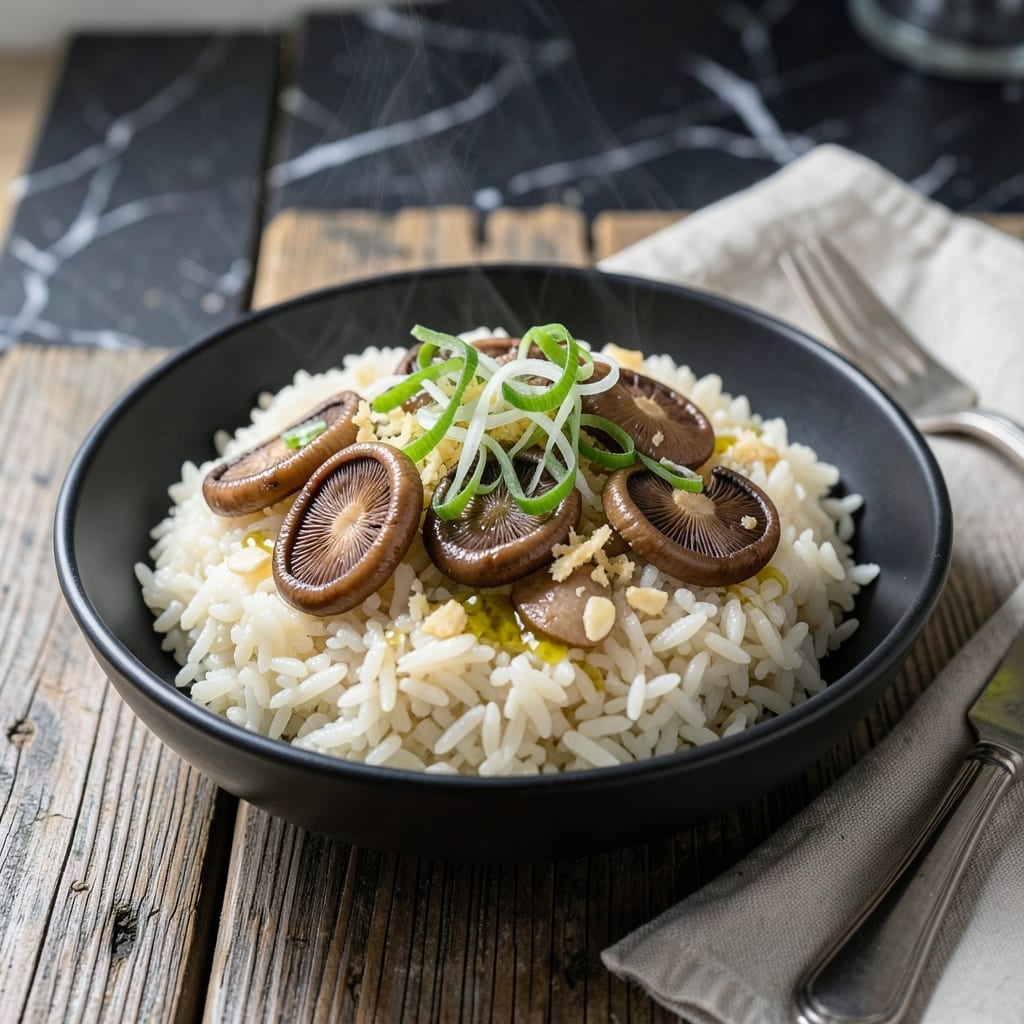
This dish transforms plain rice into a fragrant, flavor-packed meal with minimal effort. The key is high heat and careful timing to achieve that signature wok-seared aroma.
I’ve refined this recipe to balance simplicity with authentic results. The aromatics toast quickly in hot oil, infusing every grain with depth. It’s a technique that delivers restaurant-quality flavor at home.
What you’ll get are tender, separate grains with a subtle char and layers of savory, slightly sweet notes. The process is straightforward, but the results are anything but ordinary.
Perfect as a side or main dish, this method works with any protein or vegetable. Here’s how to make it right.
Ingredients for Hi Rice
Fragrant rice gets its depth from fresh aromatics and a few pantry staples.
| Ingredient | Amount | Notes |
|---|---|---|
| Jasmine Rice 🍚 | 2 cups | Rinsed until water runs clear |
| Garlic Cloves 🧄 | 6 cloves | Minced finely for even distribution |
| Fresh Ginger Root 🌿 | 1 whole | Peeled, grated or minced |
| Green Onions 🧅 | 4 whole | Thinly sliced, white and green parts separated |
| Neutral Oil 🫒 | 3 tbsp | High smoke point for wok searing |
| Light Soy Sauce 💧 | 3 tbsp | Low-sodium preferred for balance |
| Dark Soy Sauce 💧 | 1 tsp | For color and depth |
| Sesame Oil 🫒 | 1 tsp | Toasted variety for aroma |
| Granulated Sugar 🍚 | 1 tsp | Balances savory notes |
| White Pepper 🌶️ | ½ tsp | Freshly ground for authenticity |
| Water 💧 | 2 ½ cups | For cooking rice to perfection |
| Dried Shiitake Mushrooms 🍄 | 4 pieces | Rehydrated, sliced (optional umami boost) |
The rice foundation demands jasmine rice for its floral aroma—avoid instant or pre-cooked varieties. Asian markets typically carry the best quality at reasonable prices. For the ginger and garlic, fresh is non-negotiable; pre-minced versions lack the punch needed for authentic flavor. Look for plump, dry shiitake mushrooms if including them—they rehydrate beautifully for extra depth.
No jasmine rice? Basmatí works in a pinch but lacks the same fragrance. Out of fresh ginger? Ground ginger at one-quarter the amount can substitute, though fresh delivers superior complexity. For soy sauces, Kikkoman or Pearl River Bridge are reliable brands. Skip the dark soy if unavailable—just add a pinch of sugar to light soy for color.
Store uncooked rice in an airtight container for up to 6 months. Rehydrated mushrooms keep in the fridge for 3-4 days. The cooked dish holds well for 2-3 days but loses its wok-hei (breath of the wok) character as it sits—best served immediately.
Why You’ll Love This Recipe
- One Pot Wonder: I just toss jasmine rice, garlic, and ginger into a pot with oil—minimal mess, maximum flavor.
- Aroma Overload: The garlic and ginger hit the oil and fill my kitchen with this irresistible scent before the rice even cooks.
- Meal Prep Hero: I make a big batch on Sunday and it pairs perfectly with proteins or veggies all week long.
- Budget Stretcher: Jasmine rice is cheap, and a little ginger and garlic go a long way to make it taste gourmet.
Step-by-Step Instructions for Fragrant Jasmine Rice With Wok-Seared Aromatics
Master the technique for perfectly textured rice with layered aromatic depth.
Step 1: Prepare and Rehydrate the Aromatics
Begin by rehydrating the 4 pieces dried shiitake mushrooms in 1 cup of the 2.5 cups water for 20-30 minutes until pliable. Meanwhile, finely mince the 6 cloves garlic cloves and peel and grate the 1 whole fresh ginger root.
Thinly slice the 4 whole green onions, keeping the white and green parts separate. The white portions will be cooked into the rice for depth, while the green tops add a fresh finish. Drain the mushrooms, reserving the soaking liquid, and slice them thinly for even distribution.
Step 2: Toast the Rice and Bloom the Aromatics
Rinse the 2 cups jasmine rice until the water runs clear, then drain thoroughly. Heat 2 tbsp of the 3 tbsp neutral oil in a wok or heavy pot over medium-high heat until shimmering. Add the rice and toast for 2-3 minutes, stirring constantly, until the grains turn opaque and fragrant.
Push the rice to one side and add the remaining 1 tbsp neutral oil, minced garlic, and grated ginger to the cleared space. Sauté for 45-60 seconds until the aromatics are golden and highly fragrant—this step builds the flavor foundation. Stir to combine with the rice.
Step 3: Combine Liquids and Seasonings
Add the sliced rehydrated mushrooms, white parts of the green onions, 3 tbsp light soy sauce, 1 tsp dark soy sauce, 1 tsp granulated sugar, and 0.5 tsp white pepper to the pot. Stir to coat the rice evenly with the seasonings.
Pour in the remaining 1.5 cups water plus the reserved mushroom soaking liquid, ensuring the liquid covers the rice by about ½ inch. Bring to a rolling boil over high heat, then reduce to low heat immediately once boiling is achieved.
Step 4: Steam to Perfection
Cover the pot with a tight-fitting lid and let the rice cook undisturbed for 15 minutes. The steam should be visible escaping from under the lid, indicating proper heat. After 15 minutes, turn off the heat and let the rice steam, covered, for an additional 10 minutes.
This resting period allows the grains to absorb the remaining moisture and the aromatics to fully infuse. The rice is done when the liquid is fully absorbed and the grains are tender but still distinct.
Step 5: Finish and Serve
Remove from heat and fluff the rice gently with a fork to separate the grains. Drizzle the 1 tsp sesame oil over the top and sprinkle with the reserved green onion tops. Fold gently to distribute the oil and green onions without breaking the rice grains.
Taste and adjust seasoning if needed, though the soy sauces should provide sufficient saltiness. Serve immediately while hot, with the fragrant aromatics and glossy, well-seasoned grains as the star of the dish.
Pro Tips For Making Hi Rice
- Rinse the Rice: Soak jasmine rice for 10 minutes then rinse until water runs clear—this removes excess starch so your hi rice stays fluffy, not gummy.
- Bloom the Aromatics: Cook minced garlic and grated ginger in neutral oil over medium-low heat for 30-45 seconds until fragrant but not brown—I learned this the hard way after burning three batches.
- Skip the Overcrowding: Spread rice in an even layer when frying to guarantee each grain gets crispy contact with the pan instead of steaming in its own moisture.
- Finish with Fresh: Fold in chopped green onions at the very end so they stay bright and crisp—sounds simple, but it actually changes the outcome.
Flavor Customization for This Dish
Spice It Up
Add ½ tsp red pepper flakes or 1 minced Thai chili with the garlic and ginger for a subtle kick. The heat will bloom in the hot oil, infusing the rice with warmth. I love how this balances the sweetness from the sugar. 🌶️
Umami Boost
Stir in 1 tbsp oyster sauce along with the soy sauces for deeper, richer flavor. A splash of fish sauce (1 tsp) adds complexity too. These ingredients amplify the natural savoriness of the dish without overpowering it.
Herbal Notes
Fresh herbs can brighten the dish. Toss in ¼ cup chopped cilantro or Thai basil leaves at the end with the green onions. The aromatic greens add a fresh contrast to the toasted, savory rice base.
Citrus Zing
A squeeze of 1 lime or ½ lemon just before serving adds a tangy lift. The acidity cuts through the richness and enhances all the other flavors. I like to serve lime wedges on the side for guests to add as desired.
Protein Additions
For a heartier meal, fold in 1 cup diced cooked chicken or shrimp during the final step. To keep it vegetarian, tofu cubes or edamame work beautifully. These add texture and substance while soaking up the fragrant sauce.
Sweet and Savory
For a Thai-inspired twist, add ¼ cup crushed pineapple and 1 tbsp curry powder with the seasonings. The combination of sweet, savory, and aromatic creates a complex, satisfying dish. 💛
Nutrition Facts
Frequently Asked Questions
Can I use a different rice variety?
Yes, but basmati works best as a substitute. It lacks jasmine’s floral notes but maintains separate grains. Avoid sticky varieties like sushi rice, which won’t achieve the desired texture.
Why toast the rice first?
Toasting enhances the nutty flavor and prevents clumping. The 2-3 minutes of dry heat in the wok deepens the aroma before liquid is added. Skipping this step results in bland rice.
How do I fix undercooked grains?
Add 2-3 tbsp water, cover, and steam for 5 more minutes on low. If still firm, repeat once. Avoid stirring—it breaks the grains and releases excess starch.
Can I make this ahead of time?
Best served fresh, but it holds for 2-3 days refrigerated. Reheat in a skillet with a splash of water to restore moisture. The wok-seared aroma fades, so add extra green onions when reheating.

- Ground Beef Rice and Beans Recipe: Slow-Simmered Savory Harmony - October 17, 2026
- Guyanese Fried Rice Recipe: Caribbean Spice With Wok-Charred Aromatics - October 17, 2026
- Hakka Thunder Tea Rice Recipe: Wok-Charred Herbal Infusion - October 17, 2026