
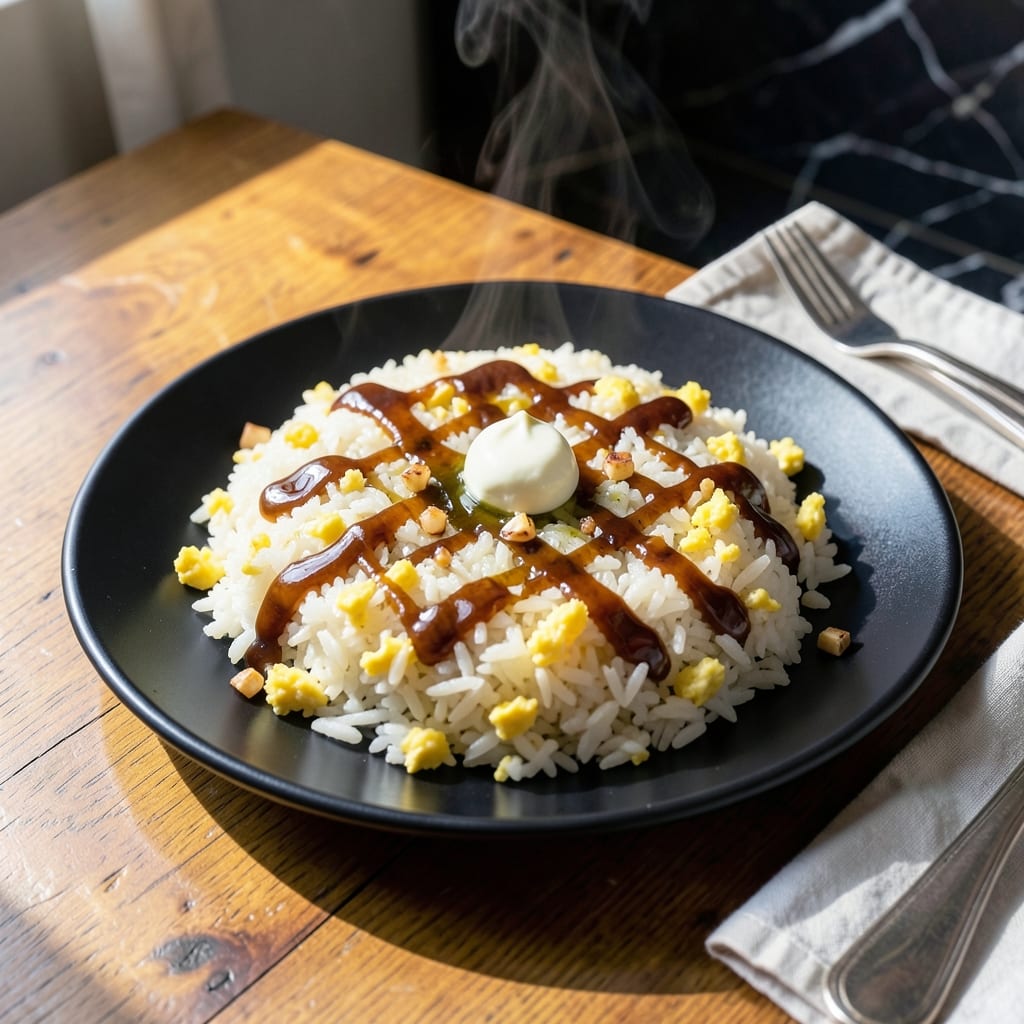
This hibachi-style rice delivers the same buttery, egg-flecked grains you love from your favorite Japanese steakhouse. The secret lies in cooking the rice a day ahead and breaking it up for that signature texture.
I use a simple technique of high heat and constant stirring to achieve the slightly crispy, golden bits that make this dish so addictive. The egg adds richness while soy sauce provides that umami depth everyone craves.
You’ll end up with perfectly seasoned rice that’s fluffy yet slightly sticky, with just the right amount of caramelization. It pairs beautifully with grilled proteins or stands alone as a satisfying side.
This method works every time, whether you’re feeding a crowd or making a small batch for dinner. The results are consistently restaurant-quality.
Ingredients for Hibachi Grill Rice
Pantry staples plus a few fresh items for that steakhouse magic at home.
| Ingredient | Amount | Notes |
|---|---|---|
| Cooked White Rice 🍚 | 4 cups | Day-old, broken up (the good stuff, not the pre-shredded kind) |
| Unsalted Butter 🧈 | 4 tbsp | Divided for cooking |
| Large Eggs 🥚 | 2 whole | Beaten lightly |
| Soy Sauce 💧 | 3 tbsp | Low-sodium preferred |
| Vegetable Oil 🫒 | 2 tbsp | For high-heat cooking |
| Garlic Cloves 🧄 | 3 cloves | Minced finely |
| White Onion 🧅 | ½ whole | Diced small |
| Granulated Sugar 💰 | 1 tsp | Balances soy sauce |
| Salt 🧂 | ½ tsp | Adjust to taste |
| Black Pepper 🌶️ | ¼ tsp | Freshly ground |
| Green Onions 🌱 | 3 whole | Sliced thin for garnish |
| Sesame Seeds 🌰 | 1 tsp | Toasted, for garnish |
The rice is everything here—day-old, cold, and broken up mimics the steakhouse texture perfectly. Use jasmine or short-grain white rice; instant rice gets gummy. I grab mine from Trader Joe’s (trust me on the full-fat version of the rice). Butter quality matters too—Land O’Lakes or organic for that rich flavor that coats every grain.
No fresh garlic? Garlic powder at half the amount works in a pinch. Out of soy sauce? Tamari or coconut aminos are solid swaps. The sugar balances the saltiness, but honey or maple syrup can stand in (frozen works in a pinch). For extra umami, a splash of oyster sauce (vegan if needed) takes it over the top.
Leftovers keep beautifully—store in an airtight container for 3-4 days in the fridge. Reheat in a skillet with a splash of water to revive the texture. Freezes well too for up to 3 months (don’t skip this part).
Why You’ll Love This Recipe
- One Pan Wonder: I toss everything into a single skillet—rice, eggs, butter, and soy sauce—and it’s ready faster than takeout arrives.
- Umami Bomb: The soy sauce and butter combo hits that savory-sweet spot that makes me go back for seconds every time.
- Feeds the Crew: Honestly, it’s my go-to when I need to stretch a meal for unexpected guests or hungry teens.
- Budget Keeper: A handful of pantry staples turns leftover rice into something crave-worthy without breaking the bank.
Step-by-Step Instructions for Hibachi Grill Rice
Here’s the method I’ve perfected—simple steps, big flavor, restaurant results at home.
Step 1: Scramble the Eggs in the Hot Pan
Heat 2 tbsp vegetable oil in a large skillet or wok over medium-high heat until it shimmers. Pour in the 2 whole large eggs and let them set for a few seconds before scrambling. I like to break them into small, soft curds—this creates those signature egg flecks you see in hibachi rice.
Cook the eggs until just set but still slightly runny. They’ll finish cooking when you combine everything later. Remove them from the pan and set aside. Don’t overcook them here, or they’ll turn rubbery in the final dish.
Step 2: Sauté the Aromatics Until Fragrant
In the same pan, melt 2 tbsp unsalted butter over medium heat. Add the 0.5 whole white onion (diced small) and cook for 2-3 minutes until it starts to soften and turn translucent. The onion should be tender but not browned.
Add the 3 cloves garlic cloves (minced finely) and cook for 30 seconds until fragrant. Be careful not to burn the garlic—it can turn bitter quickly. Stir in the 4 cups cooked white rice, breaking up any clumps with your spatula.
Step 3: Season and Combine for Maximum Flavor
Drizzle the 3 tbsp soy sauce evenly over the rice and onion mixture. Add the 1 tsp granulated sugar, 0.5 tsp salt, and 0.25 tsp black pepper. Stir everything together to coat the rice evenly. The soy sauce should turn the rice a light golden color.
Return the scrambled eggs to the pan and fold them into the rice. Add the remaining 2 tbsp unsalted butter and stir until it melts and coats every grain. Cook for another 2-3 minutes until the rice is heated through and slightly crispy in spots.
Step 4: Garnish and Serve Immediately
Remove the pan from heat and stir in the 3 whole green onions (sliced thin). The residual heat will soften them slightly while keeping their fresh, oniony bite. Transfer the rice to a serving platter or individual plates.
Sprinkle the 1 tsp sesame seeds evenly over the top for a nutty crunch. Serve immediately while hot—the butter will start to solidify as it cools, so timing matters. Each bite should be packed with savory, buttery flavor and those signature egg flecks.
Pro Tips For Making Hibachi Grill Rice
- Chill Your Rice: Use day-old, cold rice straight from the fridge—freshly cooked rice is too moist and will turn mushy on the grill. I learned this the hard way after ruining two batches with warm, sticky rice.
- High Heat First: Crank the grill or skillet to medium-high before adding oil and rice. Sounds obvious, but low heat just steams the rice instead of giving it that classic hibachi char.
- Beat the Eggs: Whisk your eggs with a splash of soy sauce before adding them to the rice. It distributes the flavor evenly and prevents dry, rubbery egg chunks.
- Butter Last: Stir in the unsalted butter at the very end, just before serving. Adding it too early can make the rice greasy instead of rich and glossy.
Flavor Customization for hibachi grill rice
Spicy Kick
Add 1-2 tsp sriracha or 1 tbsp gochujang when stirring in the soy sauce for a fiery twist. I love how the heat cuts through the richness while keeping that buttery base. The chili oil from my foraging trips adds a unique depth. 🌶️
Umami Boost
Stir in 1 tbsp oyster sauce or 1 tsp fish sauce along with the soy sauce for deeper savory notes. A pinch of MSG powder (about ¼ tsp) enhances all flavors without being noticeable. These small additions make a big difference.
Vegetable Medley
Toss in ½ cup diced carrots and ½ cup peas with the onions for extra color and crunch. Cook until tender-crisp, about 3-4 minutes. I often add mushrooms for an earthy touch that pairs well with the soy.
Cheesy Indulgence
Sprinkle ¼ cup shredded Parmesan or crumbled feta over the finished rice for a salty, creamy element. The cheese melts slightly from the heat, creating delicious pockets of flavor. This is my guilty pleasure when I want something extra.
Herb Infusion
Finish with 1 tbsp chopped cilantro or 1 tsp furikake seasoning instead of sesame seeds for a fresh twist. The herbs from my coastal rides always inspire me to experiment. The citrusy notes brighten up the dish beautifully.
Protein Power
Fold in ½ cup diced cooked chicken or shrimp at the end for a complete meal. The protein soaks up all the buttery, soy-infused flavors. This turns the rice into a hearty main course in minutes.
Nutrition Facts
Frequently Asked Questions
Why use day-old rice for this recipe?
Day-old rice has less moisture, so it fries up fluffier and gets those crispy, golden bits. Fresh rice tends to turn mushy. Break it up well for the best texture.
Can I substitute brown rice?
Yes, but cook it first and cool completely. Brown rice has a nuttier taste and firmer texture, which works well. Adjust soy sauce to taste.
How do I prevent soggy rice?
Cook over medium-high heat and keep the rice moving constantly. Use enough butter and avoid crowding the pan. Serve immediately.
What’s the best pan for hibachi rice?
A large skillet or wok with a flat base works best. Cast iron retains heat well for even cooking. Avoid nonstick for better browning.

- Jamaican Jollof Rice Recipe: Island Spice in Every Bite - October 18, 2026
- Hamburger Rice Hot Dish Recipe: Midwest Comfort in One Pan - October 18, 2026
- Iranian Cabbage Rice Recipe: Aromatic Herbs and Spiced Layers - October 18, 2026