
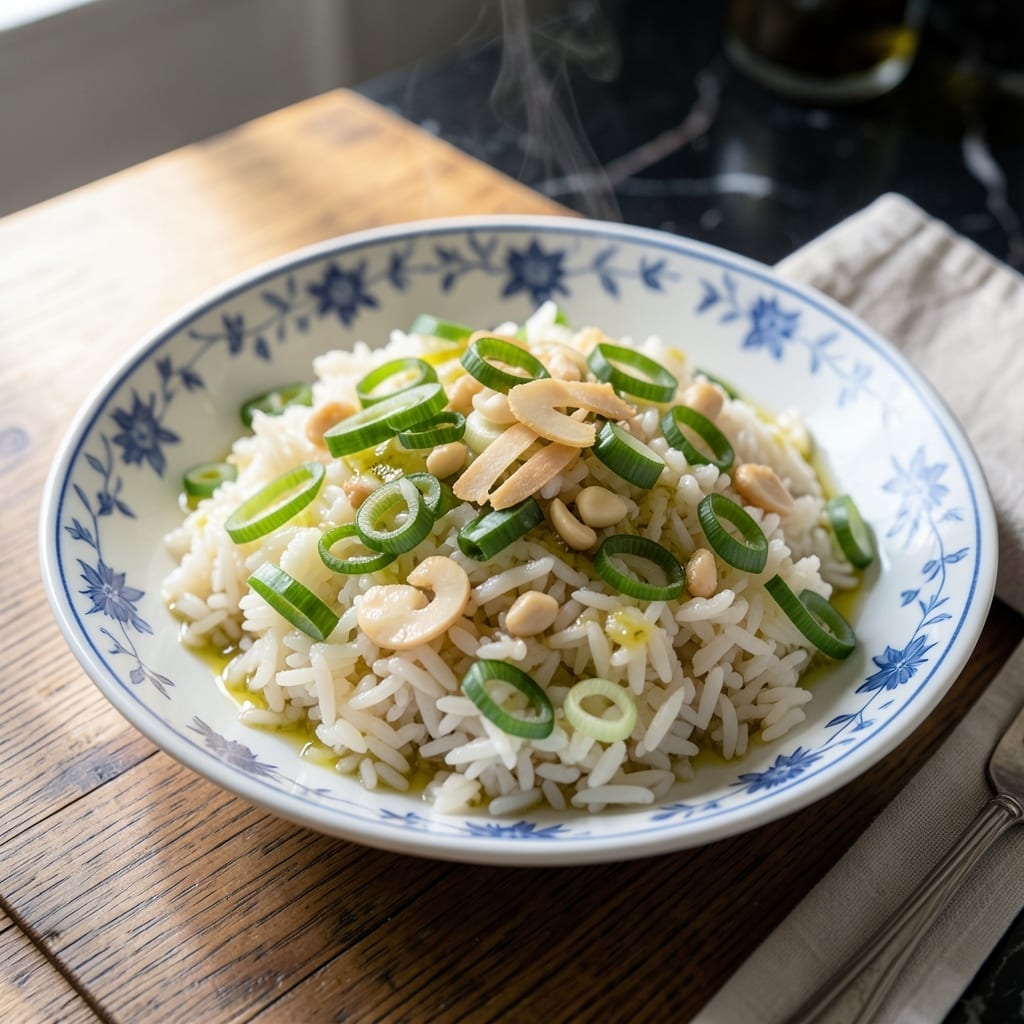
There’s a distinct satisfaction in making homemade Chinese rice that captures the authentic texture and aroma of restaurant-style dishes. This method delivers perfectly separated, fragrant grains every time.
The secret lies in rinsing the rice properly and using the right water ratio. A quick soak before cooking ensures even hydration, while steam finishes the process for fluffy, distinct grains.
Whether you’re serving it as a base for stir-fries or enjoying it plain, this rice elevates any meal. The technique is simple yet precise, yielding consistent results with minimal effort.
Master this foundation, and you’ll transform how you approach Asian-inspired dishes at home.
Ingredients for Homemade Chinese Rice
A handful of pantry staples transforms into fragrant, restaurant-quality rice with ease.
| Ingredient | Amount | Notes |
|---|---|---|
| Jasmine Rice 🌾 | 2 cups | Long-grain, rinsed thoroughly |
| Water 💧 | 2 ½ cups | Filtered or distilled preferred |
| Vegetable Oil 🫒 | 2 tbsp | Neutral-flavored, high smoke point |
| Garlic Cloves 🧄 | 3 cloves | Minced finely for even distribution |
| Fresh Ginger 🌿 | 1 tbsp | Peeled and grated |
| Green Onions 🧅 | 4 whole | Thinly sliced, whites and greens separated |
| Light Soy Sauce 🥫 | 2 tbsp | Low-sodium for controlled seasoning |
| Sesame Oil 🫒 | 1 tsp | Toasted for aromatic finish |
| Salt 🧂 | ½ tsp | Fine sea salt preferred |
| White Pepper 🌶️ | ¼ tsp | Ground, for authentic flavor |
| Sugar 🍚 | ½ tsp | Granulated, balances savory notes |
| Shaoxing Wine 🍶 | 1 tbsp | Optional, adds depth of flavor |
Jasmine rice is non-negotiable for authentic texture. Look for Thai-grown varieties at Asian markets or well-stocked supermarkets like Whole Foods. The grains should be long, slender, and slightly translucent. Avoid pre-rinsed or instant rice—fresh, unprocessed jasmine yields the best results. The water ratio is critical; filtered water prevents cloudiness and off-flavors.
No Shaoxing wine? Dry sherry at equal amount works as a substitute. For a non-alcoholic option, use rice vinegar with a pinch of sugar. Light soy sauce can be swapped for tamari (gluten-free), but adjust saltiness accordingly. Fresh ginger is ideal, but ground ginger at half the quantity in a pinch. Green onions can be replaced with shallots for a milder onion flavor.
Store rice in an airtight container in a cool, dry place for up to 6 months. Cooked rice keeps in the fridge for 4-5 days or can be frozen for 3 months. Reheat with a splash of water to restore moisture and prevent drying.
Why You’ll Love This Recipe
- Five Ingredient Magic: I love that this comes together with just jasmine rice, water, oil, garlic, and ginger—no fancy shopping required.
- Aroma Heaven: The sizzle of garlic and fresh ginger in hot oil fills my kitchen with that takeout smell I crave.
- Pairs With Everything: I serve it with stir-fries one night, then fried eggs the next—it’s my blank canvas.
- Stretches For Days: One batch makes enough for dinner and lunch the next day, and it reheats beautifully.
Step-by-Step Instructions for Wok-Charred Aromatic Grains
Master the technique that transforms simple rice into a restaurant-quality dish with layered flavors.
Step 1: Prepare and Rinse the Jasmine Rice
Place the 2 cups Jasmine Rice in a fine-mesh strainer and rinse under cold running water until the water runs clear. This removes excess starch and prevents the rice from becoming gummy during cooking.
After rinsing, let the rice drain completely for 5 minutes. Meanwhile, measure out the 2.5 cups Water and set it aside. Proper hydration is key to achieving individual, fluffy grains rather than a sticky mass.
Step 2: Bloom Aromatics in Hot Oil
Heat the 2 tbsp Vegetable Oil in a wok or large skillet over medium-high heat until shimmering. Add the 3 cloves Garlic Cloves (minced) and 1 tbsp Fresh Ginger (grated), stirring constantly for 30-45 seconds until fragrant but not browned.
Next, add the white parts of the 4 whole Green Onions and cook for another 30 seconds. This step builds the flavor foundation, so avoid burning the aromatics—bitter notes will overpower the dish.
Step 3: Toast Rice and Deglaze
Add the drained 2 cups Jasmine Rice to the wok and stir-fry for 2-3 minutes until the grains turn slightly translucent at the edges. This toasting step enhances nuttiness and prevents mushiness.
Pour in the 1 tbsp Shaoxing Wine and stir to deglaze the pan, scraping up any browned bits. Then add the 2.5 cups Water, 2 tbsp Light Soy Sauce, 0.5 tsp Salt, 0.5 tsp Sugar, and 0.25 tsp White Pepper. Bring to a boil.
Step 4: Steam and Finish
Once boiling, reduce heat to low, cover, and simmer for 15-18 minutes until the water is fully absorbed and the rice is tender. Resist the urge to stir—this disturbs the steam layer needed for even cooking.
Turn off the heat and let the rice rest, covered, for 5 minutes. Then drizzle with 1 tsp Sesame Oil and fluff with a fork. Fold in the green tops of the 4 whole Green Onions just before serving for a fresh, vibrant finish.
Pro Tips For Making Homemade Chinese Rice
- Rinse the Rice: Soak jasmine rice for 10 minutes then rinse until water runs clear—removes excess starch so your grains stay separate and fluffy, not gummy.
- Bloom Aromatics First: Heat the oil until shimmering, then add minced garlic and ginger for 30 seconds before adding rice—this wakes up their flavors without burning them.
- Perfect Water Ratio: Use 1.25 cups water per 1 cup jasmine rice, and resist the urge to stir while cooking—disturbing it releases too much starch and makes the rice mushy.
- Rest Before Serving: After cooking, let it sit covered for 5 minutes off heat—I learned this the hard way after serving undercooked rice too many times.
Best Sauces and Condiments for This Dish
Classic Soy-Ginger Drizzle
Whisk together 3 tbsp light soy sauce, 1 tbsp rice vinegar, 1 tsp grated ginger, and 1 tsp sugar for a balanced, umami-rich sauce. I drizzle this over the rice just before serving to enhance its natural flavors. 💛
Spicy Chili Oil
Heat ½ cup vegetable oil with 2 tbsp crushed red pepper flakes and 1 tsp Sichuan peppercorns until fragrant. Strain and drizzle over rice for a fiery kick. A little goes a long way—I use 1-2 tsp per serving.
Sweet and Sour Glaze
Combine ¼ cup rice vinegar, 2 tbsp sugar, 1 tbsp ketchup, and 1 tsp soy sauce in a small saucepan. Simmer until thickened, then cool slightly before tossing with warm rice for a tangy twist.
Garlic-Sesame Sauce
Mix 3 tbsp sesame oil, 2 minced garlic cloves, 1 tbsp soy sauce, and 1 tsp honey. This nutty, aromatic sauce pairs perfectly with the rice’s delicate flavor. I always make extra—it keeps for 1 week in the fridge.
Scallion and Cilantro Garnish
Thinly slice 2 green onions and chop ¼ cup cilantro. Sprinkle over the rice just before serving for freshness. This simple garnish brightens the dish and adds a pop of color. 🌟
Nutrition Facts
Frequently Asked Questions
Why rinse rice before cooking?
Rinsing removes excess starch that can make grains gummy. It also washes away dust or debris for cleaner, fluffier results. Always rinse until water runs clear for best texture.
Can I use other rice varieties?
Jasmine is ideal for authentic flavor and texture. Basmati or long-grain white can work, but adjust water to 1:1.25 ratio and expect slightly firmer grains.
How do I fix sticky rice?
If grains clump, spread cooked rice on a tray to cool quickly. Next time, rinse longer or reduce water by 2-3 tbsp. Never stir while cooking—it releases starch.
What if I don’t have Shaoxing wine?
Dry sherry is the closest substitute. For non-alcoholic, use 1 tbsp rice vinegar + ½ tsp sugar. Skip entirely if needed—the dish will still be flavorful.

- Jollof Rice Sauce Recipe: West African Tomato and Spice Infusion - September 25, 2026
- Japanese Rice Soup Recipe: Umami-Rich Comfort in a Bowl - September 25, 2026
- Homemade Cream Of Rice Recipe: Silk-Smooth Breakfast in Minutes - September 25, 2026