
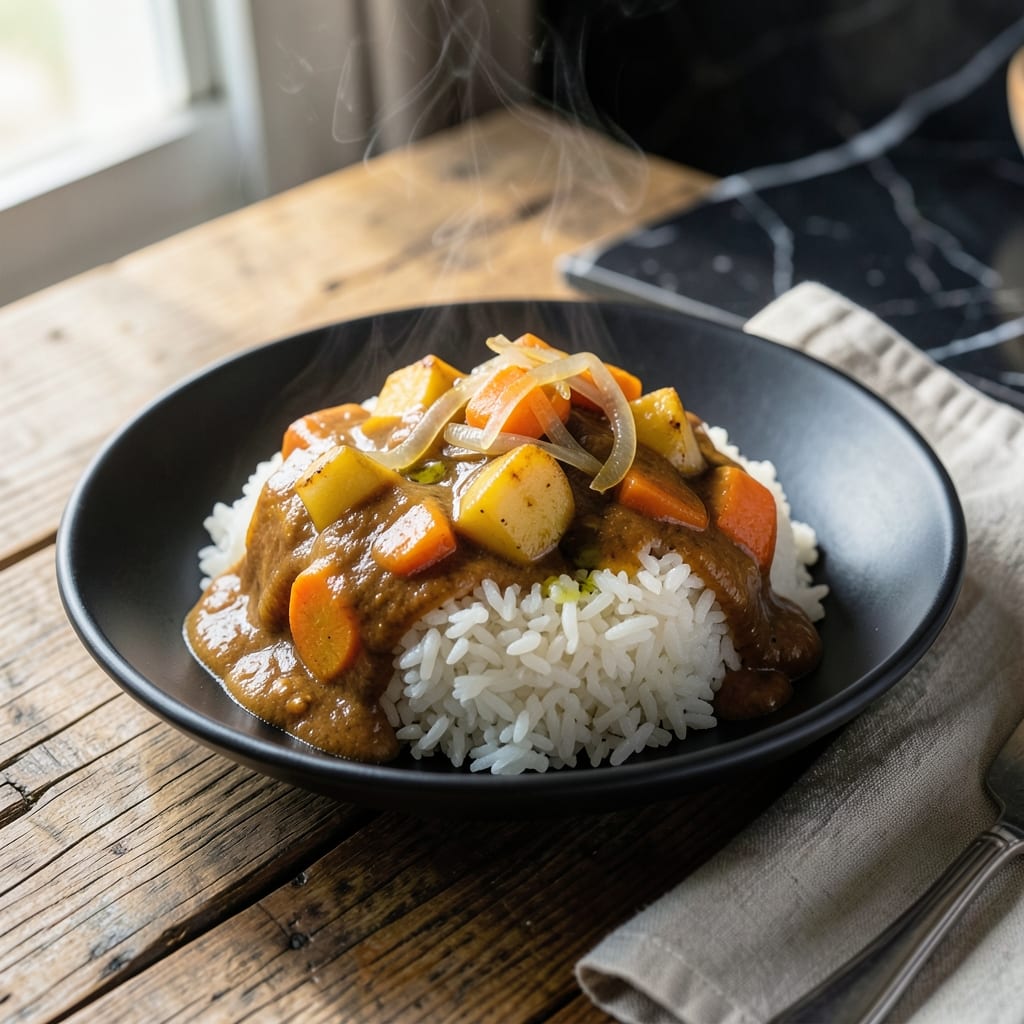
There’s something deeply satisfying about a bowl of rice transformed into a complete meal with rich, comforting flavors. This Japanese-inspired dish layers tender grains with a savory curry-infused sauce that makes every bite unforgettable.
I developed this recipe to bring restaurant-quality taste to home kitchens without complicated steps. The rice absorbs the warm, aromatic curry broth, creating a dish that’s hearty yet balanced. It’s the kind of meal that feels like a hug in edible form.
What sets this apart is its simplicity—just a few ingredients and about 30 minutes to achieve layers of flavor. The curry powder adds depth without overpowering, while the rice stays perfectly fluffy and distinct.
Serve it steaming hot for a meal that’s as nourishing as it is delicious. Here’s how to make it right.
Ingredients for Ichiban Rice
Transform simple rice into a comforting Japanese curry bowl with these carefully chosen ingredients.
| Ingredient | Amount | Notes |
|---|---|---|
| Japanese Short-Grain Rice 🍚 | 2 cups | Rinsed until water runs clear |
| Water 💧 | 2 ½ cups | For cooking rice |
| Japanese Curry Powder 🌶️ | 4 tbsp | Mild or medium heat level |
| Onion 🧅 | 1 whole | Medium, finely diced |
| Carrot 🥕 | 1 whole | Medium, diced small |
| Potato 🥔 | 1 whole | Medium, cubed |
| Garlic Cloves 🧄 | 2 cloves | Minced finely |
| Ginger Root 🌿 | 1 tbsp | Fresh, grated |
| Soy Sauce 🫒 | 2 tbsp | Low-sodium preferred |
| Honey 🍯 | 1 tbsp | Balances curry sweetness |
| Vegetable Oil 🫒 | 2 tbsp | Neutral flavor for sautéing |
| Green Onions 🧅 | 2 whole | Thinly sliced for garnish |
| Sesame Seeds 🌾 | 1 tsp | Toasted, for garnish |
| Salt 🧂 | ½ tsp | Adjust to taste |
The Japanese short-grain rice is non-negotiable here—sushi rice or Calrose brands work perfectly, available at any Asian market or well-stocked grocery store. For the curry powder, SBS Golden Curry or House Foods Vermont Curry deliver authentic flavor. Look for vibrant, aromatic powder without added fillers. Fresh ginger and garlic can’t be replaced by powdered versions—they’re doing essential work in the sauce base.
No Japanese curry powder? British-style curry powder at half the amount plus a pinch of turmeric gets you close. Out of honey? Brown sugar or maple syrup work in a pinch. The vegetables are flexible—swap carrots for bell peppers or add zucchini. For extra depth, a splash of tonkatsu sauce or Worcestershire (vegetarian version) enhances the umami.
Cooked rice keeps 3-4 days refrigerated, but the curry sauce is best fresh. Reheat gently with a splash of water to restore creaminess. Freeze the sauce separately for up to 3 months—thaw and combine with fresh rice for quick meals.
Why You’ll Love This Recipe
- One Pot Wonder: I just dump rice, curry powder, and veggies in a pot—no fancy steps, no stress.
- Warm Spice Hug: The curry powder turns the rice golden and fills the kitchen with that cozy, savory aroma I crave.
- Feeds My Busy Week: I make a big batch Sunday and pack it for lunches—still tastes amazing microwaved.
- Pantry Hero: Between us, it’s cheap, uses staples I always have, and even my picky nephew cleans his plate.
Step-by-Step Instructions for Japanese Curry-Infused Rice
Master this technique for a comforting bowl where fragrant curry and tender vegetables meet perfectly cooked rice.
Step 1: Prepare and Cook the Rice
Rinse the 2 cups Japanese Short-Grain Rice under cold water until the water runs completely clear. This removes excess starch and prevents gummy rice. Drain thoroughly in a fine-mesh strainer.
Combine the rinsed rice with 2.5 cups Water in a medium saucepan. Add the 0.5 tsp Salt, then bring to a boil over high heat. Once boiling, reduce to low heat, cover tightly with a lid, and simmer for 15 minutes. Remove from heat and let it sit, covered, for another 10 minutes to steam.
Step 2: Sauté the Aromatic Base
While the rice cooks, heat the 2 tbsp Vegetable Oil in a large, deep skillet over medium heat. Add the 1 whole Onion (finely diced) and cook for 5 minutes until soft and translucent, stirring frequently to prevent browning.
Stir in the 2 cloves Garlic Cloves (minced) and 1 tbsp Ginger Root (grated), cooking for 1 minute until fragrant. This aromatic foundation builds depth in your curry. Next, add the 1 whole Carrot (diced small) and 1 whole Potato (cubed), cooking for 5 minutes until the vegetables begin to soften.
Step 3: Build the Curry Sauce
Sprinkle the 4 tbsp Japanese Curry Powder over the vegetables, stirring constantly for 1 minute to toast the spices and release their oils. This step intensifies the curry flavor significantly.
Pour in 1.5 cups of water (reserved from the rice cooking if available) and stir to combine. Add the 2 tbsp Soy Sauce and 1 tbsp Honey, then bring the mixture to a simmer. Reduce heat to low and let it cook for 10-12 minutes, until the potatoes and carrots are fork-tender and the sauce thickens slightly.
Step 4: Combine and Finish
Once the rice is done, fluff it with a fork and transfer it to a large serving bowl. Pour the hot curry vegetable mixture over the rice, using a spatula to distribute it evenly. The rice should be fully coated and slightly glistening with the curry sauce.
Let the dish sit for 5 minutes to allow the flavors to meld together. This brief rest ensures the rice absorbs some of the sauce while maintaining its distinct texture.
Step 5: Garnish and Serve
Just before serving, sprinkle the 2 whole Green Onions (thinly sliced) and 1 tsp Sesame Seeds (toasted) evenly over the top. These garnishes add freshness and a delightful crunch that contrasts with the creamy curry and rice.
Serve warm in individual bowls, ensuring each portion has a generous amount of the vegetable curry mixture. The dish should be aromatic, with visible flecks of green onion and sesame seeds providing visual appeal and textural contrast.
Pro Tips For Making Ichiban Rice
- Rinse the rice: Wash the Japanese short-grain rice until the water runs clear—I learned this the hard way after ending up with gummy rice more than once.
- Sauté the veggies: Cook the onion and carrot until soft before adding curry powder; it deepens the flavor and prevents a raw, gritty texture.
- Measure water precisely: Use a 1:1.1 ratio of rice to water for perfect doneness—any more and you’ll get mush, any less and it’ll be undercooked.
- Bloom the curry: Toast the Japanese curry powder in the pot for 30 seconds before adding liquid; sounds weird, but it wakes up the spices and makes them more aromatic.
Dietary Considerations for This Dish
Gluten-Free Friendly
This dish is naturally gluten-free when using certified Japanese curry powder. I always check labels for SBS Golden Curry or House Foods Vermont Curry to ensure no wheat fillers. The rice and vegetables provide a satisfying, safe meal for gluten-sensitive eaters. 💪
Vegetarian Adaptations
To make this vegetarian, simply omit the soy sauce or replace it with tamari. The vegetables and rice create a hearty, protein-rich dish. For extra protein, stir in 1 cup cooked chickpeas or firm tofu cubes when combining everything.
Vegan Options
Replace honey with maple syrup or agave to keep it plant-based. The recipe’s rich flavors come from the curry powder and vegetables, so no other substitutions are needed. I’ve made this version many times with great success.
Low-Sodium Considerations
For those watching sodium, use low-sodium soy sauce and reduce the added salt by half. The curry powder provides plenty of flavor, so you won’t miss the extra salt. Taste before serving and adjust as needed.
You can also rinse the diced potatoes before cooking to remove surface starches and some natural sodium. 💡
Allergen Notes
This recipe is free from common allergens like dairy, nuts, and eggs. However, always check curry powder labels for potential cross-contamination warnings. If sesame is a concern, simply omit the sesame seeds garnish.
Nutrition Facts
Frequently Asked Questions
Can I use a different type of rice?
Stick with Japanese short-grain for authentic texture. Long-grain varieties won’t absorb the curry sauce as well and may turn out dry or separated.
How do I prevent the rice from getting mushy?
Rinse it thoroughly until water runs clear to remove excess starch. Also, let it rest 10 minutes after cooking before mixing with the curry.
Can I make this ahead of time?
Cook the rice and curry separately, then combine just before serving. Reheat the curry with a splash of water to restore its creamy texture.
What if I don’t have Japanese curry powder?
Use British-style curry powder at half the amount, plus a pinch of turmeric. The flavor won’t be identical but will still be delicious.

- Mujadara Rice and Lentils Recipe: Earthy Spiced Lentils With Caramelized Onions - November 1, 2026
- Naija Fried Rice Recipe: Street-Style Spice With Veggie Crunch - November 1, 2026
- Mushy Rice Recipe: Fluffy Grains Transformed in Minutes - November 1, 2026