
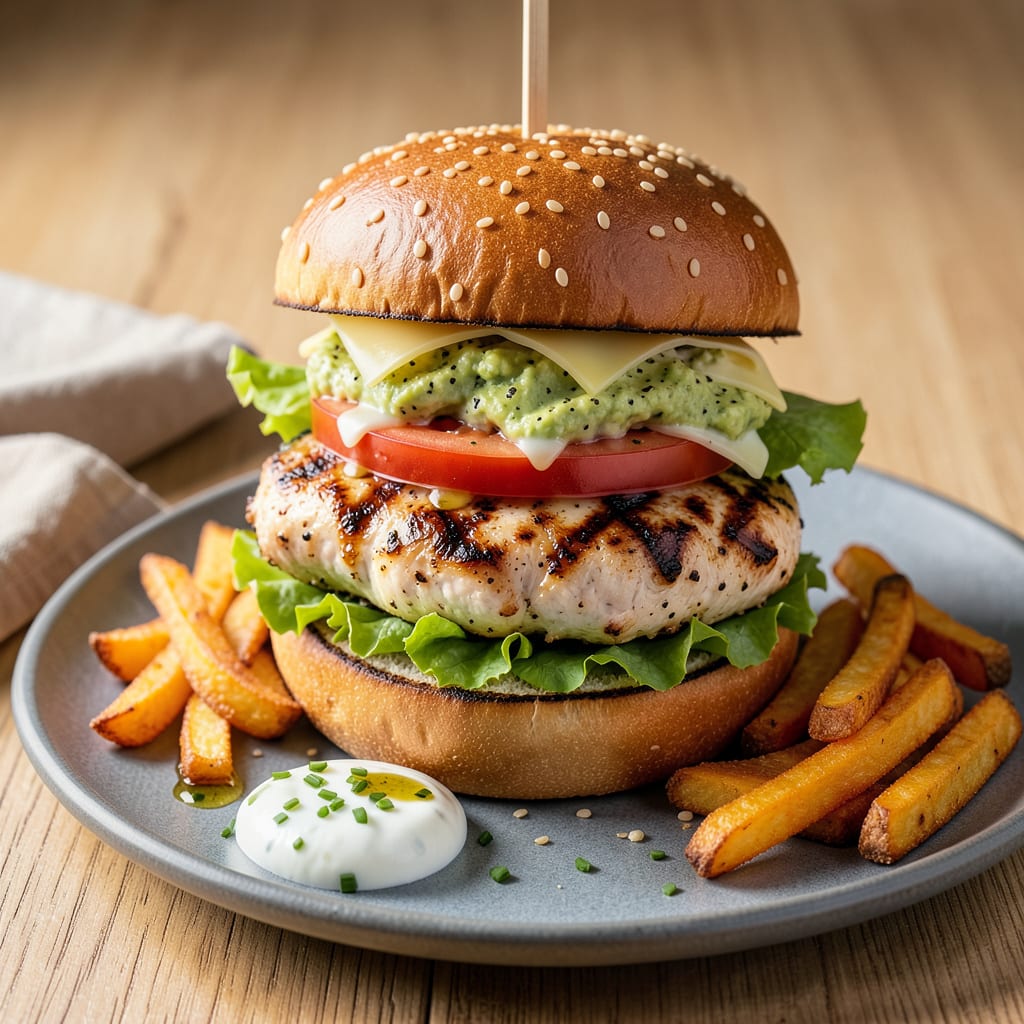
Chicken burgers can be a healthier alternative to beef burgers, offering lean protein and fewer calories—if made with whole ingredients. However, breaded or fried versions, processed patties, and high-calorie toppings can negate these benefits.
The health value hinges entirely on preparation and ingredients. A homemade patty made from skinless ground chicken breast delivers significantly less saturated fat than beef, while store-bought frozen versions often contain hidden sodium and preservatives. 🔥 I always recommend checking labels for added fillers like breadcrumbs or carrageenan, which can turn a seemingly healthy option into a processed food. Even the cooking method plays a role—grilling or air-frying preserves nutrients better than deep-frying, which can double the fat content.
💡 In This Article
- Nutritional Breakdown of Chicken Burgers vs Beef Burgers
- How to Make a Healthier Chicken Burger at Home
Nutritional Breakdown of Chicken Burgers vs Beef Burgers
A 4-ounce grilled chicken breast patty contains about 180 calories, 35g of protein, and only 3.5g of fat (with 1g saturated), while the same size 80% lean beef patty packs 280 calories, 22g of protein, and 20g of fat (with 8g saturated).
The difference comes down to fat distribution—chicken breast is naturally leaner, while beef marbling contributes to higher saturated fat content. This makes chicken a better choice for heart health, as excessive saturated fat intake is linked to increased LDL cholesterol levels. 🔥
Dark meat chicken (thighs/legs) changes the equation. A 4-ounce ground chicken thigh patty jumps to 220 calories and 14g of fat (with 4g saturated), though it still beats beef in saturated fat content. The skin adds another 3g of fat per ounce, which is why skinless preparations are recommended.
Sodium is another critical factor: processed chicken patties often contain 400-600mg per serving (nearly 25% of daily limit), while homemade versions can stay under 100mg if seasoned simply. 💛
Cooking methods dramatically alter the nutritional profile. A deep-fried chicken patty absorbs 8-12g additional fat per serving from the oil, while grilling or air-frying adds virtually none. Even breading makes a difference: a 1/2-cup panko coating adds 100 calories and 20g carbs.
The micronutrient advantage goes to beef for iron (2.7mg vs 1mg in chicken) and zinc, but chicken provides more B vitamins, particularly niacin and B6, which support metabolism and immune function. ✨
What often tips the scale unhealthy are the accompaniments. A white flour bun adds 200+ calories, while whole grain offers 4g fiber to slow digestion. Condiments matter too: 2 tablespoons of mayo contributes 180 calories and 20g fat, whereas Greek yogurt-based sauces cut that by half. The takeaway?
A chicken burger’s healthfulness depends entirely on ingredient quality and preparation—opt for skinless breast, whole-grain buns, and veggie-heavy toppings to maximize benefits. 💫
For those monitoring specific diets, chicken burgers offer flexibility. They fit well into high-protein (30g+ per patty), low-carb (skip the bun), and Mediterranean-style eating patterns when paired with olive oil and fresh herbs. However, gluten-free versions require careful label reading, as many processed patties use wheat-based binders.
The protein in chicken is also highly bioavailable, with a PDCAAS score of 1.0 (same as beef), meaning your body can use nearly all of it for muscle repair and satiety. 🌟
One often overlooked factor is the omega-6 to omega-3 ratio. Conventionally raised chicken has a higher omega-6 content (pro-inflammatory) compared to grass-fed beef, which contains more omega-3s. Choosing pasture-raised chicken can improve this ratio, offering about 200mg omega-3s per serving versus 50mg in conventional.
This makes ingredient sourcing just as important as preparation when evaluating health benefits. ⚡
The environmental impact adds another layer to consider. Chicken production generates about 4-5kg CO₂ per kg of meat, compared to beef’s 27kg, making it a more sustainable protein choice. When balanced with nutritional benefits, this positions thoughtfully prepared chicken burgers as a win for both personal and planetary health.
The key is mindful ingredient selection and preparation—what you add (or don’t add) to that patty makes all the difference. 💫

- Jollof Rice Sauce Recipe: West African Tomato and Spice Infusion - September 25, 2026
- Japanese Rice Soup Recipe: Umami-Rich Comfort in a Bowl - September 25, 2026
- Homemade Cream Of Rice Recipe: Silk-Smooth Breakfast in Minutes - September 25, 2026