
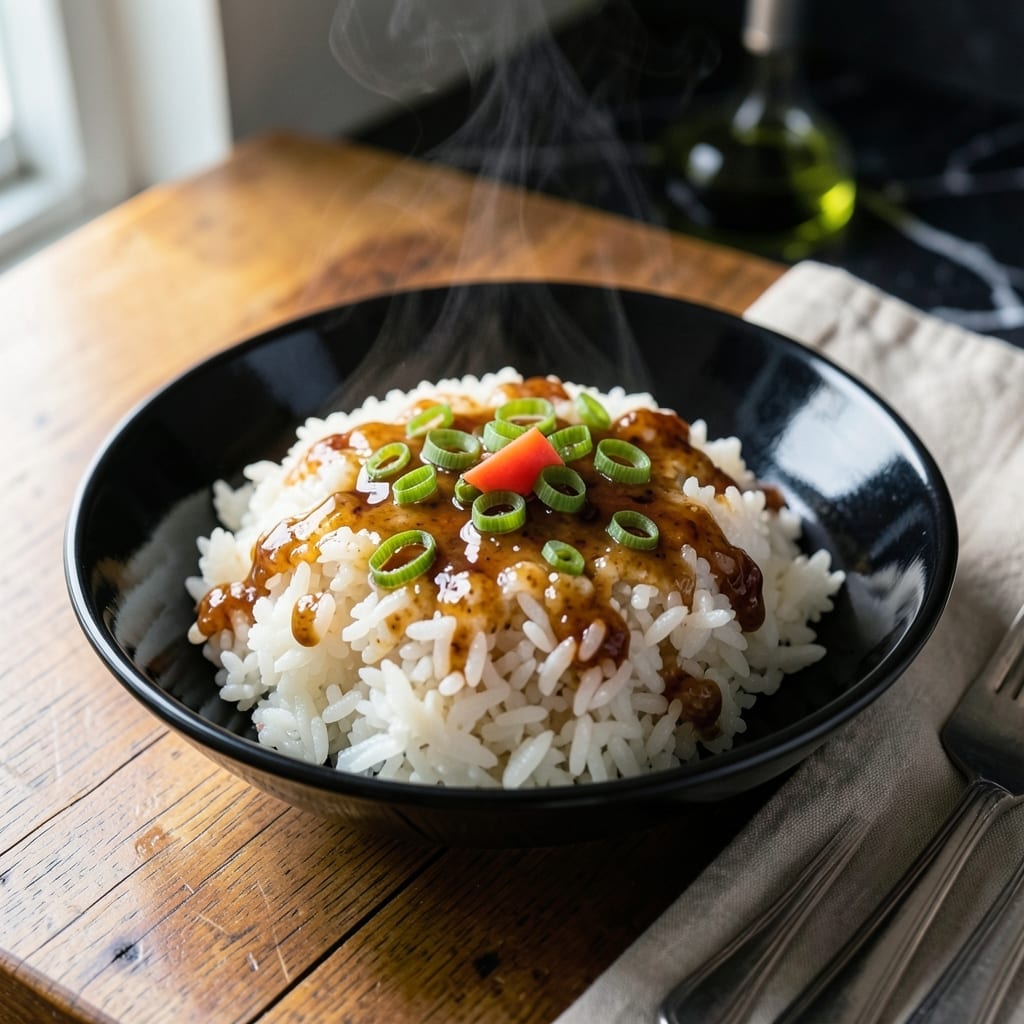
This recipe reveals the secret to achieving KFC’s signature Japanese-style rice at home. The key lies in a carefully balanced umami blend that transforms ordinary rice into a flavorful, fluffy dish.
Using simple ingredients and precise techniques, this method ensures each grain stays separate and tender. The umami-rich seasoning elevates the rice, making it a perfect pairing for fried chicken or other main courses.
With a cooking time of just 20 minutes, this dish delivers restaurant-quality results without the hassle. The process is straightforward, yet the flavors are anything but ordinary.
Prepare to enjoy a side dish that complements any meal with its subtle depth and satisfying texture.
Ingredients for Kfc Japanese Rice
Eleven ingredients deliver that umami-packed, fluffy rice you know from the chain.
| Ingredient | Amount | Notes |
|---|---|---|
| Japanese Short-Grain Rice 🍚 | 2 cups | Rinsed until water runs clear |
| Water 💧 | 2 ½ cups | Filtered or bottled preferred |
| Soy Sauce 🫒 | 2 tbsp | Low-sodium for controlled seasoning |
| Rice Vinegar 🍚 | 1 tbsp | Seasoned rice vinegar ideal |
| Granulated Sugar 🍬 | 1 tsp | Balances umami flavors |
| Garlic Powder 🧄 | ½ tsp | Freshly opened for potency |
| Onion Powder 🧅 | ½ tsp | Complements garlic flavor |
| Dashi Powder 🐟 | 1 tsp | Authentic umami base |
| Butter 🧈 | 2 tbsp | Unsalted, melted for mixing |
| Sesame Oil 🫒 | 1 tsp | Toasted for nutty aroma |
| White Sesame Seeds 🌰 | 1 tbsp | Lightly toasted optional |
| Green Onions 🧅 | 2 whole | Thinly sliced for garnish |
The rice matters most here. Koshihikari or Nishiki are the gold standards for Japanese short-grain—find them at Asian markets or the international aisle. Dashi powder is non-negotiable for authentic flavor; Ajinomoto is widely available and reliable. Butter should be unsalted to control sodium levels. Look for rice vinegar labeled as seasoned—it already contains sugar and salt, adding depth.
No dashi powder? Dissolve one chicken bouillon cube in 1 cup hot water and use 1 tablespoon of that liquid (though not strictly vegetarian). Short on soy sauce? Tamari works at a 1:1 ratio. Sesame oil can be swapped for perilla oil if you’re feeling adventurous. The green onions are flexible—chives or scallions both work. For extra richness, add a splash of oyster sauce (but omit for strict vegetarians).
Cooked rice keeps well for 3-4 days in the fridge, though it’s best fresh. Freeze in portions for up to 1 month—reheat with a splash of water to restore moisture. Store dashi powder and rice vinegar in a cool, dark place for 6-12 months.
Why You’ll Love This Recipe
- One Pot Wonder: I just dump rice, water, and a splash of soy sauce in a pot—no fancy steps, no stress.
- Sweet-Savory Balance: Honestly, the rice vinegar and sugar combo hits that perfect tangy-sweet note every time.
- Lunchbox Star: My kids actually finish their bento boxes when this rice is in there.
- Stretches Far: Leftovers? No problem. It reheats beautifully for fried rice the next day.
Step-by-Step Instructions for Japanese Rice with Umami Seasoning
This method delivers perfectly fluffy grains with a deep, savory flavor profile every time.
Step 1: Rinse and Prepare the Japanese Short-Grain Rice
Place the 2 cups Japanese Short-Grain Rice in a fine-mesh strainer and rinse under cold running water. I agitate the grains gently with my hand while rinsing, watching as the water transitions from cloudy to nearly clear. This step removes excess starch, which prevents gummy rice.
Continue rinsing until the water runs completely clear—this usually takes 4-5 rinses. Drain thoroughly, then transfer the rice to your rice cooker or heavy-bottomed pot. The rice should glisten but not be wet when you’re finished.
Step 2: Combine Rice with Water and Umami Base
Add the 2.5 cups Water to the rice along with the 2 tbsp Soy Sauce, 1 tbsp Rice Vinegar, 1 tsp Granulated Sugar, 0.5 tsp Garlic Powder, 0.5 tsp Onion Powder, and 1 tsp Dashi Powder. I stir gently to distribute the seasonings evenly without breaking the grains.
Let the mixture soak for 30 minutes before cooking. This resting period allows the rice to absorb some of the seasoned liquid, ensuring even flavor distribution throughout each grain. The surface should look slightly frothy from the dashi powder activating.
Step 3: Cook the Rice to Fluffy Perfection
If using a rice cooker, start the cooking cycle. For stovetop, bring the mixture to a boil over medium-high heat, then immediately reduce to low heat, cover, and simmer undisturbed for 15 minutes. I never lift the lid during cooking—steam is crucial for fluffy texture.
After 15 minutes, remove from heat and let it steam, covered, for an additional 10 minutes. You’ll know it’s done when the grains are tender but still hold their shape, and all liquid has been absorbed.
Step 4: Finish with Aromatic Enhancements
Gently fold in the 2 tbsp Butter, 1 tsp Sesame Oil, and 1 tbsp White Sesame Seeds using a rice paddle or spatula. The butter should melt immediately, creating a glossy sheen on the grains. I move from the outside in to avoid crushing the rice.
The mixture should have a subtle nutty aroma from the sesame oil and a rich, savory depth from the umami seasonings. Taste and adjust seasoning if needed, though the blend should be perfectly balanced.
Step 5: Garnish and Serve Immediately
Transfer the rice to a serving bowl and top with the thinly sliced green onions from the 2 whole Green Onions. The contrast of the bright green against the white rice is visually striking. I like to fluff the rice one final time with a fork before serving.
Serve immediately while hot and steamy. The grains should be distinct yet cohesive, with a complex umami flavor that lingers on the palate. Each bite should offer a perfect balance of savory, slightly sweet, and nutty notes.
Pro Tips For Making Kfc Japanese Rice
- Rinse the Rice: Wash the short-grain rice under cold water until the water runs clear—this removes excess starch so your rice doesn’t turn mushy. I skip this when I’m in a hurry, but the texture is noticeably better when I don’t.
- Balance the Vinegar: Use 1 tablespoon rice vinegar per cup of cooked rice, but taste as you go—too much makes it sour, too little leaves it bland. Sounds obvious, but I overdid it my first three tries.
- Steam, Don’t Stir: After adding the soy-vinegar-sugar mix, cover and let it steam off-heat for 10 minutes. Stirring breaks the grains and turns it gluey—learned this the hard way.
- Warm the Water: Start with hot tap water for rinsing and cooking—cold water shocks the rice and can make it cook unevenly. My grandmother swore by this, and she was right.
Serving Suggestions for This Recipe
Plating Presentation
Serve this dish in a wide, shallow bowl to showcase the fluffy grains and vibrant green onion garnish. The contrast of white rice with the bright green creates an appetizing visual appeal. I prefer ceramic bowls for their heat retention.
Perfect Pairings
This rice shines alongside crispy fried chicken, soaking up any extra juices beautifully. For a lighter meal, pair with grilled salmon or teriyaki-glazed tofu. The umami flavors complement any protein perfectly. 🍗
Garnish Enhancements
Beyond green onions, consider adding furikake for extra texture or pickled ginger for a tangy contrast. A drizzle of sriracha adds heat if you like spice. I often sprinkle nori strips for a seafood-inspired touch.
Serving Temperature
Always serve this rice hot, straight from the cooker. The grains are most fluffy and aromatic when fresh. If you must hold it, keep covered in a low oven (170°F) for up to 30 minutes.
Family-Style Service
For gatherings, transfer to a large serving platter and let guests help themselves. The communal experience enhances the meal. I recommend a wooden rice paddle for serving to keep grains intact.
Leftovers Tip
If you have extras, use them in fried rice or as a base for poke bowls the next day. The flavors hold up well, and the rice re-fries beautifully. ❄️
Nutrition Facts
Frequently Asked Questions
What type of rice works best?
Use Japanese short-grain rice like Koshihikari or Nishiki for authentic texture. These varieties have higher starch content, creating that signature sticky yet fluffy consistency. Avoid long-grain rice as it won’t absorb the umami flavors as well.
Can I make this without dashi powder?
Yes! Substitute with 1 tbsp chicken bouillon dissolved in 1 cup hot water. Use 1 tbsp of this liquid in the recipe. For vegetarians, try mushroom powder for a similar umami depth.
How do I prevent mushy rice?
Rinse the rice 4-5 times until water runs clear to remove excess starch. Never lift the lid while cooking, as steam is crucial for even texture. Let it rest 10 minutes after cooking.
Can I prepare this in advance?
Cooked rice stays fresh in the fridge for 3-4 days. Reheat with a splash of water to restore moisture. For best results, serve immediately after cooking when grains are most fluffy.

- Mujadara Rice and Lentils Recipe: Earthy Spiced Lentils With Caramelized Onions - November 1, 2026
- Naija Fried Rice Recipe: Street-Style Spice With Veggie Crunch - November 1, 2026
- Mushy Rice Recipe: Fluffy Grains Transformed in Minutes - November 1, 2026