
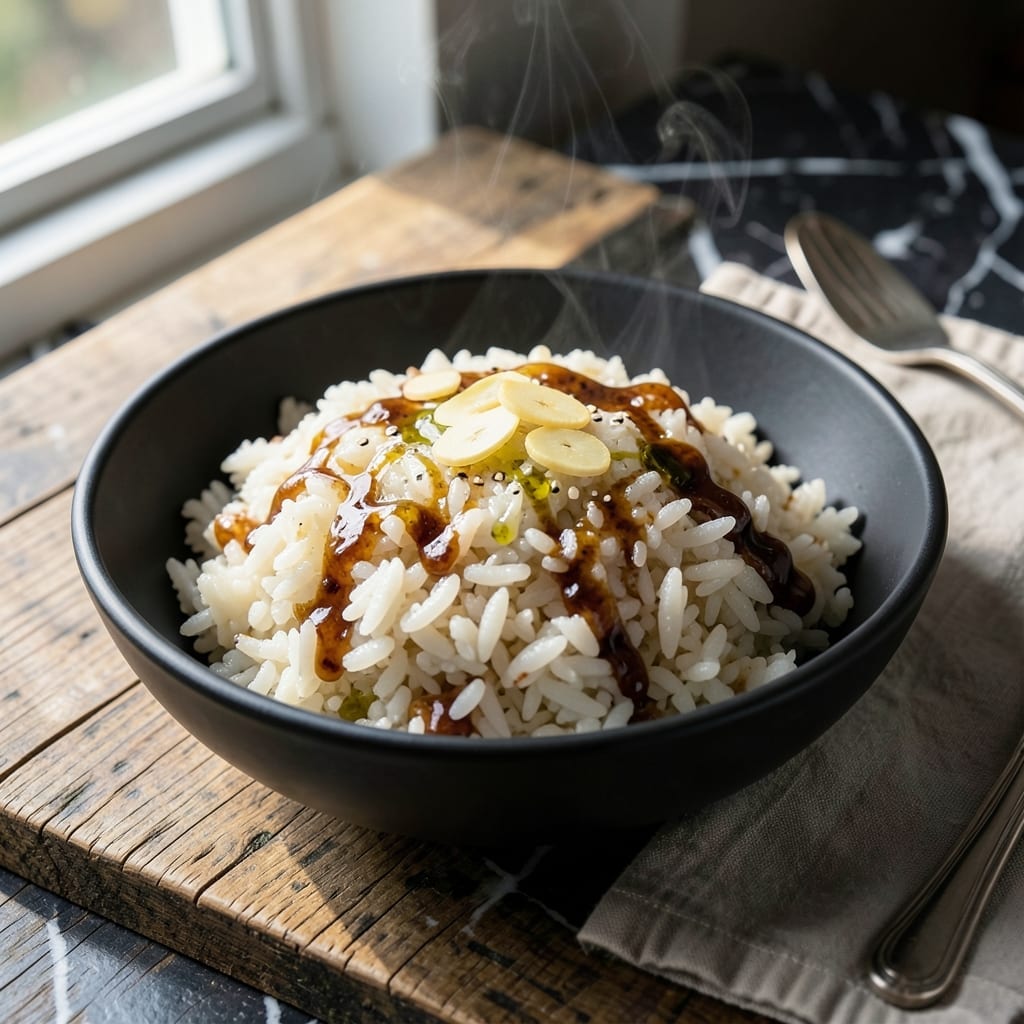
This Korean-inspired dish transforms simple rice with the deep, nutty flavor of konji—fermented soybeans that add complexity to every bite.
The preparation involves soaking and cooking the rice with crumbled konji, creating a savory base that’s both hearty and aromatic. A small amount of sesame oil enhances the dish’s richness without overpowering its natural taste.
What results is a comforting, one-pot meal with layers of umami and a subtle earthiness. The rice absorbs the flavors beautifully, making it ideal as a side or light main course.
Serve warm for the best texture and flavor. This creation brings traditional Korean tastes to your kitchen with ease.
Ingredients for Konji Rice
Simple rice elevated with fermented soybeans and aromatic additions for depth.
| Ingredient | Amount | Notes |
|---|---|---|
| Short-Grain White Rice 🍚 | 2 cups | Rinsed until water runs clear |
| Konji 🫘 | ½ cup | Fermented soybeans, crumbled |
| Water 💧 | 3 ½ cups | For cooking rice |
| Sesame Oil 🫒 | 1 ½ tsp | Toasted variety preferred |
| Soy Sauce 🥫 | 2 tbsp | Low-sodium or regular |
| Garlic Cloves 🧄 | 3 cloves | Minced finely |
| Green Onions 🧅 | 3 whole | Thinly sliced for garnish |
| Gochugaru 🌶️ | ½ tsp | Korean red pepper flakes, optional |
| Toasted Sesame Seeds 🌰 | 1 tsp | For topping |
| Vegetable Oil 🫒 | 1 tbsp | Neutral flavor for sautéing |
| Kosher Salt 🧂 | ½ tsp | Adjust to taste |
| Black Pepper 🌶️ | ¼ tsp | Freshly ground |
The konji is non-negotiable here—seek out Korean markets or well-stocked Asian grocery sections for the best quality. Look for freshly fermented with a deep, earthy aroma (avoid any with off smells or excessive dryness). Short-grain rice like Calrose or sushi rice provides the ideal sticky texture. Lundberg or Kokuho brands are reliable for consistency.
No konji? Fermented soybean paste (doenjang) can work in a pinch at half the quantity, though the texture differs. Gochugaru adds subtle heat—substitute with cayenne at half the amount if unavailable. The sesame oil must be toasted; raw sesame oil lacks the nutty depth. Green onions can be swapped with chives for a milder flavor.
Store konji in an airtight container in the fridge for up to 6 months. Cooked rice keeps 4-5 days refrigerated. For best results, reheat with a splash of water to restore moisture. Freezing cooked rice works for 3 months if tightly sealed.
Why You’ll Love This Recipe
- One Pot Wonder: I just dump rice, konji, water, and a splash of soy sauce in a pot—no fancy steps, no stress.
- Umami Bomb: The konji and sesame oil give it this deep, savory kick thatplain rice just can’t match.
- Feeds a Crowd: I make a big batch on Sunday and it’s lunches sorted for the week—hot or cold.
- Budget Hero: Honestly, a bag of rice and a jar of konji cost pennies and stretch forever.
Step-by-Step Instructions for Konji Rice
Master this method for perfectly textured rice with deep, fermented complexity and aromatic finish.
Step 1: Prepare and Rinse the Rice
Place the 2 cups Short-Grain White Rice in a fine-mesh strainer and rinse under cold running water. I agitate the grains with my fingers, changing the water 3-4 times until it runs completely clear. This removes excess starch, preventing a gummy texture in the finished dish.
Drain thoroughly for 5 minutes, shaking the strainer occasionally to release all water. The grains should look matte and feel slightly dry to the touch. This step ensures each grain cooks evenly and absorbs the flavors of the Konji properly.
Step 2: Sauté Aromatics and Konji
Heat the 1 tbsp Vegetable Oil in a heavy pot over medium heat until it shimmers. Add the minced 3 cloves Garlic Cloves and sauté for 30 seconds, stirring constantly, until fragrant but not browned. Garlic burns quickly, so keep it moving.
Add the crumbled 0.5 cup Konji and cook for 2 minutes, breaking up any larger pieces with a wooden spoon. The Konji should soften slightly and release its nutty, fermented aroma. This step builds the base flavor profile that defines this dish.
Step 3: Toast Rice and Add Liquids
Add the rinsed and drained 2 cups Short-Grain White Rice to the pot, stirring to coat the grains with the oil and Konji mixture. Toast for 2-3 minutes until the rice becomes slightly translucent at the edges and emits a light, nutty fragrance.
Pour in the 3.5 cups Water, 2 tbsp Soy Sauce, 1.5 tsp Sesame Oil, 0.5 tsp Kosher Salt, and 0.25 tsp Black Pepper. Stir well to distribute the Konji and aromatics evenly. The liquid should look lightly cloudy from the Sesame Oil and soy.
Step 4: Cook Rice to Perfection
Bring the mixture to a boil over high heat. Once boiling, reduce the heat to low, cover the pot with a tight-fitting lid, and simmer for 15-18 minutes. Do not lift the lid during this time—releasing steam disrupts the cooking process and can lead to unevenly cooked rice.
After 15 minutes, check that the water has been fully absorbed and the grains are tender. If the top looks dry but the rice isn’t done, add 2-3 tablespoons of hot water, cover, and continue cooking for 2-3 minutes. The rice should be glossy and slightly sticky, with no hard centers.
Step 5: Rest and Garnish
Remove the pot from heat and let it sit covered for 10 minutes. This resting period allows the steam to finish cooking the rice and lets the grains settle into their final texture. The rice will become more uniform and the flavors will meld together.
Fluff the rice gently with a fork, then transfer to a serving dish. Drizzle with any remaining Sesame Oil from the pot, then sprinkle with 0.5 tsp Gochugaru (if using), 3 whole Green Onions, and 1 tsp Toasted Sesame Seeds. Serve immediately while hot, as the aromatics are most vibrant fresh from the pot.
Pro Tips For Making Konji Rice
- Soak the rice: Give your short-grain rice a 20-minute soak before cooking—it softens the grains and helps them absorb the konji flavor better.
- Toast the konji: Lightly dry-toast the konji in a pan for 1-2 minutes before adding liquid; it wakes up the aroma and prevents a raw, earthy taste.
- Skip the rinse: Resist the urge to rinse the rice after soaking—you’ll wash away the starch that makes konji rice sticky and cohesive.
- Finish with sesame: Drizzle the sesame oil at the very end, not during cooking, so its nutty flavor stays bright and doesn’t turn bitter from heat.
Best Sauces and Condiments for These Flavors
Korean Dipping Sauces
I love serving this dish with ssamjang—a thick, spicy dipping sauce made from doenjang and gochujang. Mix 2 tbsp doenjang, 1 tbsp gochujang, 1 tsp minced garlic, and 1 tsp sesame oil for an authentic pairing that enhances the nutty flavors. 💛
Pickled Vegetables
Quick-pickled radishes or cucumbers add a refreshing crunch. Thinly slice 1 cup radishes, soak in ½ cup rice vinegar, 1 tbsp sugar, and ½ tsp salt for 30 minutes. The acidity balances the richness of the rice beautifully.
Kimchi Accompaniment
Napa cabbage kimchi is a classic side that brings tangy spice to each bite. I prefer aged kimchi with a deeper fermented flavor. Serve a ½ cup portion on the side for a traditional Korean meal experience.
Sesame Soy Drizzle
Whisk together 2 tbsp soy sauce, 1 tbsp toasted sesame oil, 1 tsp honey, and 1 tsp rice vinegar for a versatile drizzle. This adds an extra layer of umami and sheen to the finished dish.
Spicy Mayonnaise
For a modern twist, combine ¼ cup mayonnaise with 1 tbsp gochujang and 1 tsp lime juice. The creamy heat pairs surprisingly well with the earthy konji. I often drizzle this over leftover rice for a quick lunch. 🔥
Nutrition Facts
Frequently Asked Questions
Can I use long-grain rice instead?
Short-grain is ideal for sticky texture, but long-grain works in a pinch. Reduce water to 3 cups and expect less cohesion. The flavor will still shine.
How do I adjust the fermented flavor?
For stronger taste, increase konji to 3/4 cup. For milder, reduce to 1/3 cup and add extra soy sauce. Balance is key.
What if my rice turns mushy?
Over-rinsing or lifting the lid during cooking causes this. Use 3-4 rinses max and resist peeking. 10 minutes rest after cooking firms it up.
Can I make this in a rice cooker?
Yes! Sauté konji and garlic first, then add to rice cooker with remaining ingredients. Use the standard white rice setting.

- Mujadara Rice and Lentils Recipe: Earthy Spiced Lentils With Caramelized Onions - November 1, 2026
- Naija Fried Rice Recipe: Street-Style Spice With Veggie Crunch - November 1, 2026
- Mushy Rice Recipe: Fluffy Grains Transformed in Minutes - November 1, 2026