
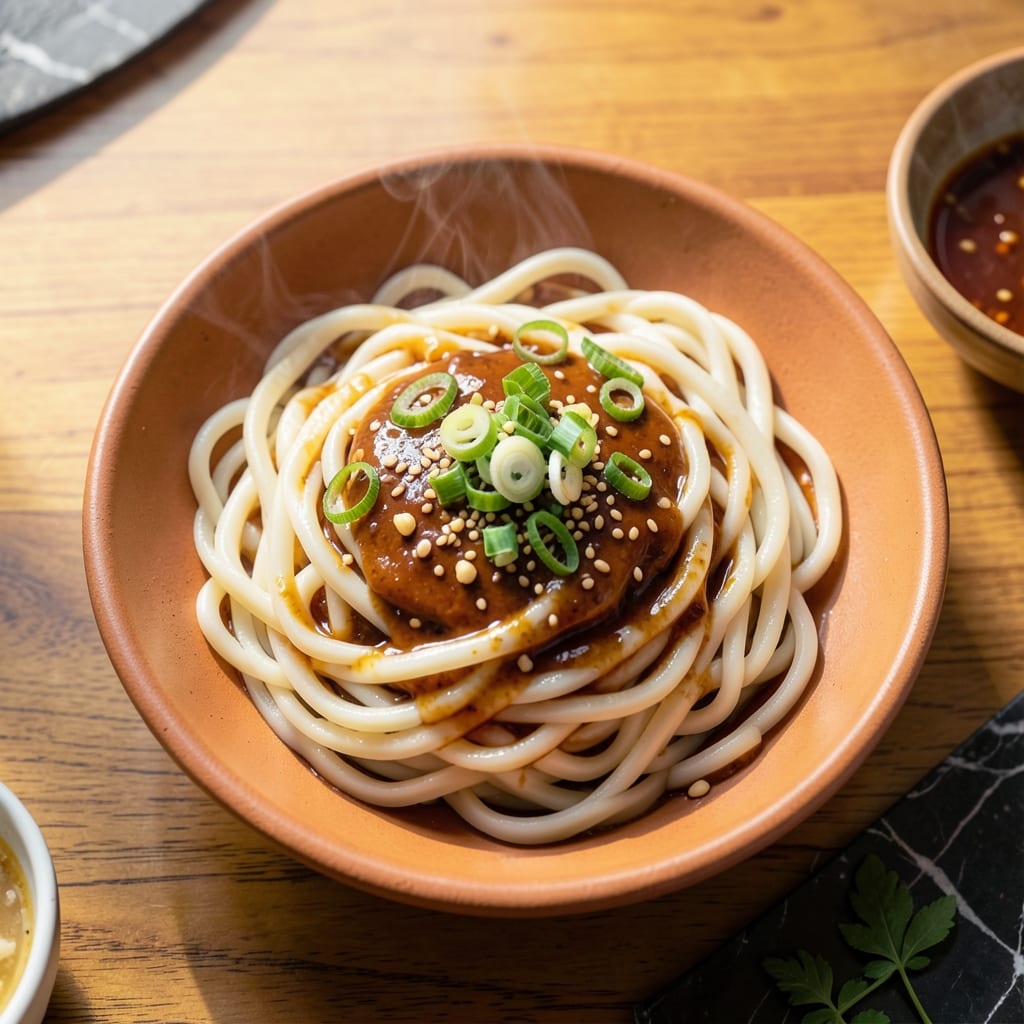
This traditional Korean dish transforms simple ingredients into an elegant, comforting meal. The long rice noodles, known as japgokbap, absorb the rich, aromatic broth beautifully.
I’ve refined this method to ensure the noodles stay chewy while the broth remains light yet deeply flavorful. Traditional techniques like toasting the noodles briefly before cooking enhance their texture.
The dish comes together with a fragrant blend of soy sauce, garlic, and sesame oil, creating a balance of savory and nutty notes. It’s a staple at Korean celebrations and family gatherings.
Serve it as a side or a light main course. The result is always satisfying and authentically delicious.
Ingredients for Korean Long Rice
Traditional Korean long rice noodles meet aromatic broth for a comforting, elegant dish.
| Ingredient | Amount | Notes |
|---|---|---|
| Long Rice Noodles (Japgokbap) 🍜 | 8 oz | Dried, soaked before cooking |
| Soy Sauce 🫒 | ½ cup | Low-sodium preferred for balance |
| Garlic Cloves 🧄 | 6 cloves | Minced for maximum flavor infusion |
| Sesame Oil 🫒 | 2 tbsp | Toasted for nutty aroma |
| Vegetable Broth 🥣 | 4 cups | Low-sodium or homemade |
| Green Onions 🧅 | 4 whole | Thinly sliced for garnish |
| Mushrooms 🍄 | 1 cup | Shiitake or white button, sliced |
| Carrot 🥕 | 1 whole | Julienned for texture contrast |
| Zucchini 🥒 | 1 whole | Thinly sliced or julienned |
| Ginger Root 🌿 | 1 whole | Peeled and minced |
| Red Pepper Flakes 🌶️ | ½ tsp | Korean gochugaru preferred |
| Sugar 🧂 | 1 tsp | Balances savory flavors |
| Black Pepper 🌶️ | ½ tsp | Freshly ground for best results |
| Sesame Seeds 🌰 | 1 tbsp | Toasted for garnish |
The noodles are everything here. Japgokbap (long rice noodles) must be high-quality and properly soaked—H Mart or Korean markets carry the best varieties. Look for brands like Sempio or Ottogi for authentic texture. The soy sauce should be Korean-style (like Jin Ganjang) rather than Chinese, as it offers a cleaner, less salty profile that lets the other flavors shine.
No Korean soy sauce? Low-sodium Japanese soy sauce works in a pinch. Out of gochugaru? Regular red pepper flakes at half the amount will do, though the flavor won’t be as complex. Fresh ginger is key, but ground ginger at one-third the amount can substitute if needed. The mushrooms add depth—shiitake are traditional, but cremini or white button work too (save the stems for broth).
Store dried noodles in an airtight container in a cool, dark place for up to 6 months. The broth can be made 2 days ahead and reheated before combining with noodles. Leftover dish keeps well in the fridge for 3-4 days, though the noodles may absorb more liquid over time.
Why You’ll Love This Recipe
- One Pot Wonder: I just dump the long rice noodles in hot veggie broth and let them soak up all the flavor—no stirring, no fuss.
- Umami Bomb: The soy sauce and sesame oil combo hits that savory-sweet spot I crave every single time.
- Meal Prep Hero: Honestly, it tastes even better the next day as the noodles drink up the garlic-infused broth.
- Budget Stretcher: A pound of Japgokbap feeds my whole family for pennies, and leftovers disappear fast.
Step-by-Step Instructions for Korean Long Rice
Master the technique for perfectly chewy noodles in an aromatic, vegetable-rich broth.
Step 1: Prepare and Soak the Long Rice Noodles
Place the 8 oz Long Rice Noodles (Japgokbap) in a large bowl and cover completely with warm water. These dried noodles require soaking to soften before cooking. I use warm water to accelerate the process without making them mushy. Soak for 15-20 minutes until pliable but still slightly firm.
Drain the noodles in a colander and rinse under cold water to stop the softening process. This step removes excess starch, which could make the final dish gummy. Set the noodles aside while you prepare the broth—this timing ensures they don’t over-soften before cooking.
Step 2: Build the Fragrant Broth Base
In a large pot, heat the 2 tbsp Sesame Oil over medium heat until it shimmers. Add the minced 6 cloves Garlic Cloves and minced Ginger Root, stirring constantly for 30-45 seconds until fragrant but not browned. This aromatic foundation is crucial for authentic Korean flavor.
Pour in the 4 cups Vegetable Broth, 0.5 cup Soy Sauce, 1 tsp Sugar, 0.5 tsp Red Pepper Flakes, and 0.5 tsp Black Pepper. Stir well and bring to a gentle simmer. Taste and adjust seasoning—you want a balance of savory, slightly sweet, and a hint of heat.
Step 3: Cook the Vegetables and Noodles
Add the sliced 1 cup Mushrooms, julienned Carrot, and thinly sliced Zucchini to the simmering broth. Cook for 3-4 minutes until the vegetables soften slightly but retain some crispness. The carrots and zucchini should turn vibrant in color, and the mushrooms should absorb some of the broth’s flavor.
Add the drained Long Rice Noodles (Japgokbap) to the pot, pressing them down to submerge in the broth. Cook for 5-7 minutes, stirring occasionally, until the noodles are fully tender and have absorbed much of the flavorful liquid. The noodles should be chewy but not hard in the center.
Step 4: Finish and Garnish
Once the noodles are cooked, remove the pot from heat. The broth should be slightly reduced but still generous. If it’s too thin, simmer a minute longer; if too thick, add a splash of water. The consistency should coat the noodles lightly while pooling at the bottom of the bowl.
Ladle the noodles and vegetables into serving bowls. Garnish each portion with thinly sliced 4 whole Green Onions and toasted 1 tbsp Sesame Seeds. The green onions add freshness, while the sesame seeds provide a nutty crunch that contrasts beautifully with the chewy noodles.
Pro Tips For Making Korean Long Rice
- Soak the Noodles: I learned this the hard way—soak the Japgokbap in warm water for 5-7 minutes before cooking to prevent clumping and ensure even absorption of the broth.
- Toast the Garlic: After burning three batches, I finally figured out that lightly toasting the minced garlic in sesame oil for 30 seconds before adding soy sauce deepens the flavor without bitterness.
- Skip Cold Broth: My grandmother swore by this, and she was right: always use hot vegetable broth when combining with the noodles to keep the cooking time short and the texture consistent.
- Finish with Sesame Oil: Sounds weird, but it works: stir in 1 teaspoon of sesame oil at the very end—it adds a nutty aroma that plain cooking oil just can’t match.
Wine and Beer Pairings for This Recipe
Korean Beers
I love pairing this dish with Hite or OB Beer, light Korean lagers that cleanse the palate. Their crisp, slightly sweet profile complements the savory broth without overpowering it. Serve ice-cold for the best experience. 🍺
Rice Wines
Makgeolli, a milky Korean rice wine, offers a tangy contrast to the rich noodles. Its effervescence cuts through the dish’s heartiness. For a smoother option, try Soju—serve it chilled in small cups.
Light Whites
A dry Riesling or Pinot Grigio works beautifully, as their acidity balances the savory soy and sesame notes. I prefer a German Kabinett Riesling for its subtle sweetness. 🍷
Herbal Teas
For a non-alcoholic option, barley tea (boricha) is a traditional Korean choice. Its nutty, toasty flavor enhances the dish’s comforting qualities. Brew it strong and serve warm or iced.
Nutrition Facts
Frequently Asked Questions
Can I use regular spaghetti instead?
No, regular spaghetti won’t work. Japgokbap are unique rice noodles that stay chewy after cooking. Spaghetti will turn mushy and lack the right texture.
How do I prevent the noodles from sticking?
Rinse soaked noodles thoroughly in cold water to remove excess starch. Stir frequently while cooking in the broth to keep them separated.
Can I make this dish ahead of time?
Yes, but store noodles and broth separately. Reheat the broth, then add noodles and simmer for 2-3 minutes to restore texture.
What can I substitute for gochugaru?
Use regular red pepper flakes at half the amount. They’ll add heat but may lack the smoky depth of Korean gochugaru.

- Mujadara Rice and Lentils Recipe: Earthy Spiced Lentils With Caramelized Onions - November 1, 2026
- Naija Fried Rice Recipe: Street-Style Spice With Veggie Crunch - November 1, 2026
- Mushy Rice Recipe: Fluffy Grains Transformed in Minutes - November 1, 2026