
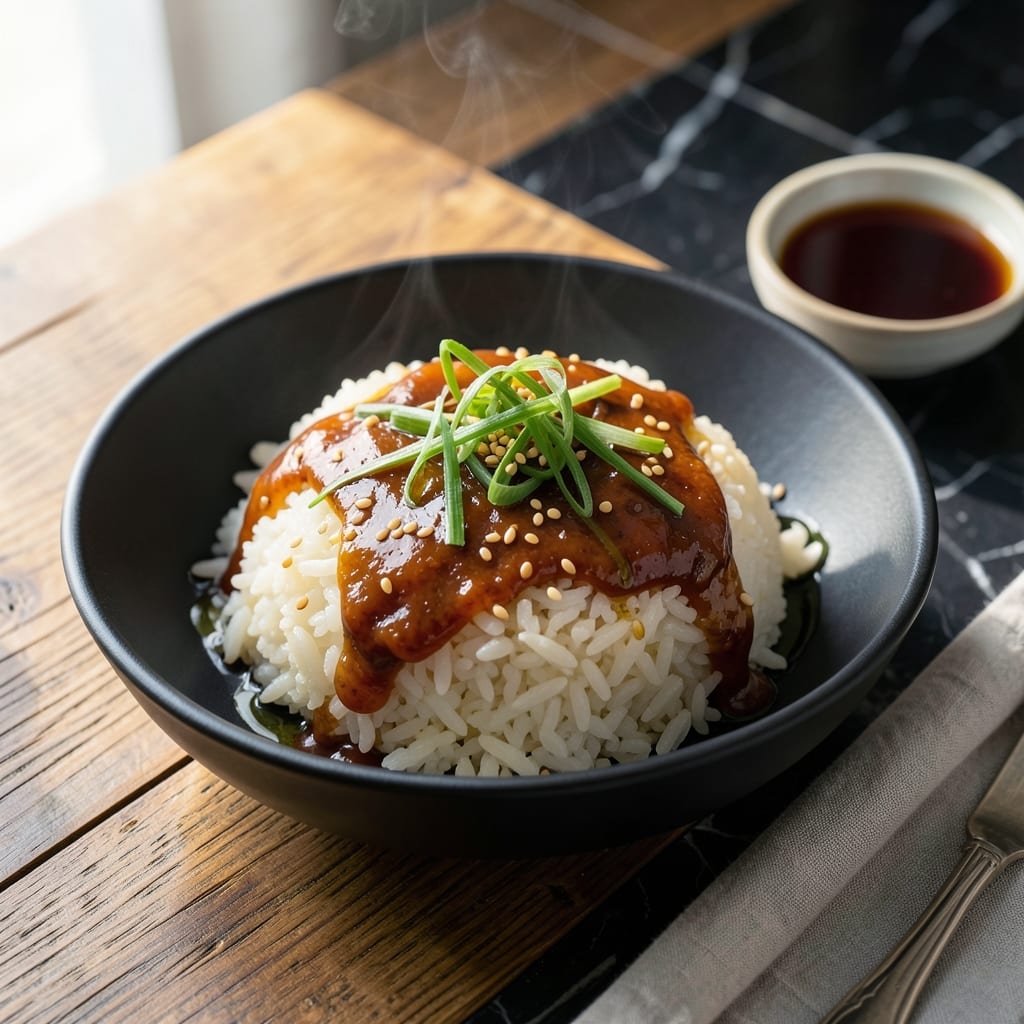
This Korean-inspired rice dish transforms simple ingredients into a meal with nutty depth and spicy heat. The secret lies in toasting the grains before cooking, which develops a rich aroma and flavor.
Gochujang adds a bold kick, while sesame oil and seeds bring authentic Korean character. The result is a versatile base that pairs perfectly with proteins or vegetables.
Ingredients for Korean Style Rice
Simple pantry staples create a rice dish with nutty depth and spicy heat.
| Ingredient | Amount | Notes |
|---|---|---|
| Jasmine Rice 🍚 | 2 cups | Rinsed until water runs clear |
| Gochujang 🌶️ | 2 tbsp | Korean fermented chili paste |
| Sesame Oil 🫒 | 1 tbsp | Toasted for authentic flavor |
| Toasted Sesame Seeds 🌰 | 1 tbsp | For garnish and texture |
| Vegetable Oil 🫒 | 1 tbsp | Neutral flavor for toasting |
| Soy Sauce 🥢 | 1 tbsp | Low-sodium preferred |
| Garlic Cloves 🧄 | 3 cloves | Minced for depth |
| Scallions 🧅 | 4 whole | Thinly sliced for freshness |
| Korean Red Pepper Flakes 🌶️ | 1 tsp | Optional for extra heat |
| Rice Vinegar 🍚 | 1 tsp | For balance and acidity |
| Sugar 🍬 | 1 tsp | Balances spice and salt |
| Ground Black Pepper 🌶️ | ½ tsp | Freshly ground preferred |
Jasmine rice is essential for authentic texture—look for Thai or Vietnamese brands at Asian markets or the international aisle. Gochujang quality varies wildly; Sempio or CJ are reliable. The sesame oil must be toasted (check the label), as untoasted lacks the nutty aroma. For the best results, use a heavy-bottomed pot to prevent scorching during toasting.
No gochujang? 1 tbsp sriracha plus 1 tbsp miso paste mimics the spicy-savory balance. Substitute brown rice for jasmine if needed (add 10 minutes to cook time). Green onions can replace scallions in a pinch. For gluten-free, swap soy sauce for tamari. The vegetable oil can be any neutral option like canola or avocado oil.
Toasted sesame seeds keep for 1 month in an airtight container. Cooked rice stays fresh for 3-4 days in the fridge or freezes for 3 months. Gochujang lasts 1 year unopened, 6 months refrigerated after opening. Always store rice in a cool, dry place to prevent moisture.
Why You’ll Love This Recipe
- One Pot Wonder: I toss everything in a single pot—jasmine rice, gochujang, and a drizzle of sesame oil—then let it simmer while I set the table.
- Umami Bomb: The gochujang gives it this deep, spicy-sweet kick that makes plain rice taste like a whole meal on its own.
- Meal Prep Hero: I make a big batch on Sunday and it reheats beautifully for lunches all week, no mushy texture.
- Budget Keeper: Jasmine rice is cheap, gochujang lasts forever in the fridge, and a little sesame oil goes a long way.
Step-by-Step Instructions for Korean Style Rice
Master the technique for layered flavors and perfect texture with this method.
Step 1: Rinse and Cook the Jasmine Rice
Place the 2 cups jasmine rice in a fine-mesh strainer and rinse under cold water until the water runs completely clear. This removes excess starch and ensures fluffy, separate grains. I find that 4-5 rinses usually does the trick.
Combine the rinsed rice with 2¼ cups water in a rice cooker or heavy-bottomed pot. Cook according to your rice cooker’s settings or bring to a boil, then reduce to low heat, cover, and simmer for 15 minutes. Remove from heat and let it steam, covered, for an additional 10 minutes.
Step 2: Toast the Aromatics
While the rice cooks, heat the 1 tbsp vegetable oil in a large skillet over medium heat. Add the 3 cloves minced garlic cloves and sauté for 30-45 seconds until fragrant but not browned. Garlic burns easily, so keep it moving.
Add the 4 whole thinly sliced scallions and cook for another 1-2 minutes until softened. The goal is to develop their sweetness without losing their vibrant green color. Remove the skillet from heat and set aside.
Step 3: Prepare the Gochujang Sauce
In a small bowl, combine the 2 tbsp gochujang, 1 tbsp soy sauce, 1 tbsp sesame oil, 1 tsp rice vinegar, 1 tsp sugar, and 0.5 tsp ground black pepper. Whisk until the mixture is smooth and the sugar dissolves completely.
For extra heat, stir in the 1 tsp Korean red pepper flakes. I prefer to adjust the spice level at this stage—taste and add more flakes if desired. The sauce should be glossy, thick, and deeply aromatic.
Step 4: Combine and Finish
Transfer the cooked jasmine rice to a large bowl. Drizzle the prepared gochujang sauce over the rice and add the toasted garlic and scallions. Using a rice paddle or spatula, gently fold everything together until the rice is evenly coated and the color is consistent throughout.
The rice should glisten with the sauce, with visible flecks of scallions and garlic. Avoid overmixing to maintain the integrity of the grains. The heat from the rice will slightly warm the sauce, enhancing its flavors.
Step 5: Garnish and Serve
Sprinkle the 1 tbsp toasted sesame seeds over the rice and gently fold once more to distribute. The sesame seeds add a nutty crunch and visual contrast. Let the dish sit for 2-3 minutes to allow the flavors to meld.
Serve immediately while warm. Each bite should deliver a balance of spicy, sweet, umami, and nutty notes with a satisfying texture contrast between the tender rice and crunchy sesame seeds.
Pro Tips For Making Korean Style Rice
- Rinse the Rice: Wash jasmine rice until the water runs clear—this removes excess starch so your grains stay separate and fluffy, not gummy.
- Toast Seeds Fresh: Lightly toast sesame seeds in a dry pan for 1-2 minutes just before serving—they release more aroma than pre-toasted ones.
- Warm the Gochujang: Mix gochujang with a little hot rice first to loosen it before stirring into the full pot—prevents clumping and coats every grain evenly.
- Finish with Oil: Drizzle sesame oil over the rice after cooking and fluff with a fork so the flavor stays bright, not cooked off.
Wine and Beer Pairings for This korean style rice
Crisp White Wines
A chilled Riesling from Washington State or Germany balances the spicy-sweet notes beautifully. Its citrus acidity cuts through the richness of the sesame oil while complementing the gochujang’s heat. I love the Chateau Ste. Michelle Riesling for its approachable price and consistent quality. 🍷
Light Red Wines
Try a Pinot Noir from Oregon’s Willamette Valley—its bright red fruit and earthy undertones harmonize with the dish’s nutty depth. The 2021 Eyrie Vineyards is a fantastic choice. Serve slightly chilled to enhance its refreshing qualities against the spice.
Korean Beer Pairings
For beer lovers, a crisp Korean lager like Hite or OB Golden Lager offers a clean, light contrast to the bold flavors. The carbonation helps reset your palate between bites. I always keep a few bottles in my fridge for exactly this kind of meal. 🍺
Craft Beer Options
A Belgian-style witbier with its citrus and coriander notes provides an interesting counterpoint to the gochujang’s spice. Blue Moon or Hoegaarden are widely available and work wonderfully. Their slight sweetness balances the heat without overpowering the dish.
Non-Alcoholic Choices
Sparkling water with lemon or lime is my go-to for a refreshing, non-alcoholic pairing. The effervescence cleanses the palate, while the citrus enhances the dish’s vibrant flavors. For a sweeter option, Korean barley tea (boricha) offers a nutty, toasty complement.
Nutrition Facts
Frequently Asked Questions
Can I use brown rice instead of jasmine?
Yes, but increase water to 2½ cups and cook for 40-45 minutes. Brown rice has a chewier texture.
How do I make it less spicy?
Reduce gochujang to 1 tbsp and omit red pepper flakes. The sugar and sesame will still shine.
What protein pairs best with this?
Bulgogi beef or grilled chicken work perfectly. For vegetarians, try tofu marinated in soy and garlic.
Can I make this ahead of time?
Yes! Cook and store rice in the fridge for up to 3 days. Reheat with a splash of water to restore moisture.

- Mujadara Rice and Lentils Recipe: Earthy Spiced Lentils With Caramelized Onions - November 1, 2026
- Naija Fried Rice Recipe: Street-Style Spice With Veggie Crunch - November 1, 2026
- Mushy Rice Recipe: Fluffy Grains Transformed in Minutes - November 1, 2026