
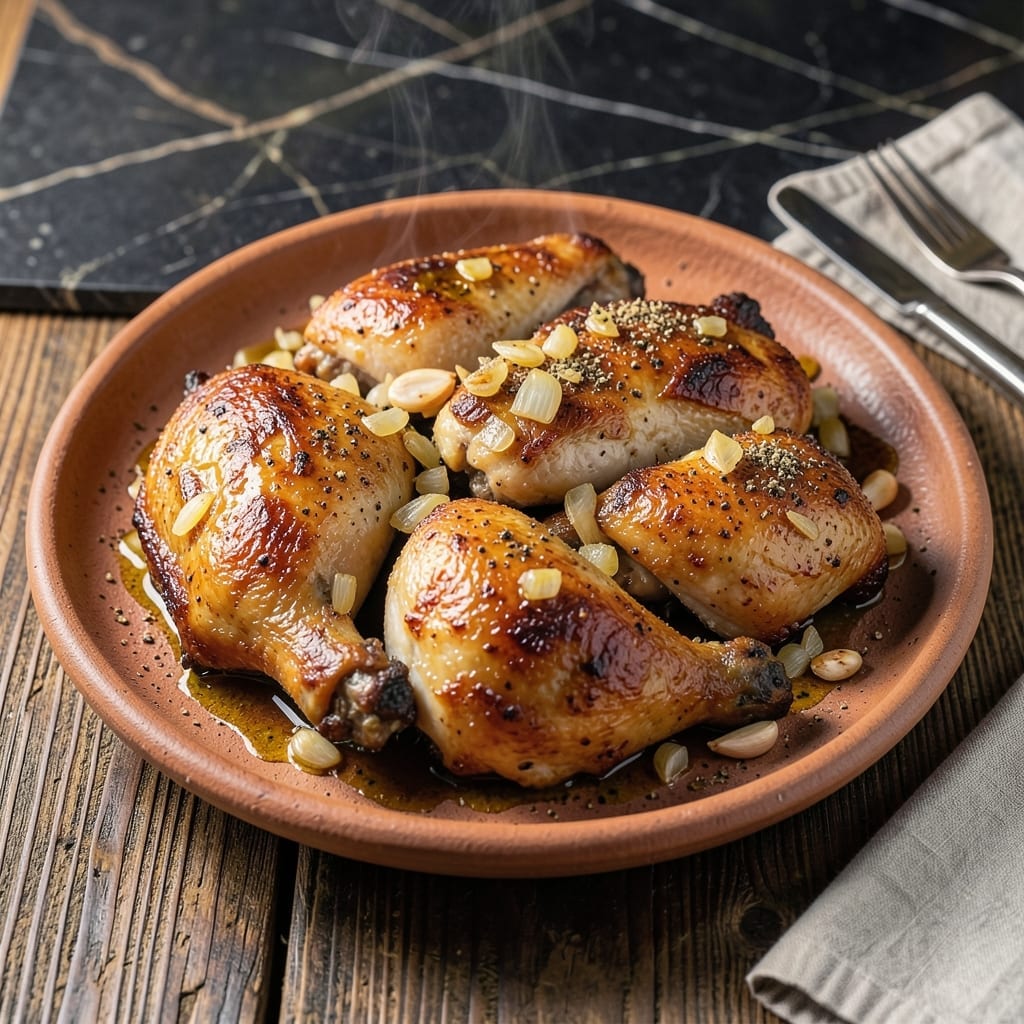
This Kuwaiti chicken dish brings the bold flavors of the Middle East to your kitchen with a perfect balance of warm spices and tender meat.
A blend of traditional seasonings creates a deeply aromatic profile that’s both comforting and exotic. The slow-cooked method ensures the chicken stays juicy while absorbing every spice.
What sets this apart is the careful layering of flavors—first a marinade, then a rich sauce that coats every piece. The result is fall-off-the-bone tenderness with a sauce so good you’ll want to soak it up with bread.
Serve with rice or flatbread for a meal that feels like a celebration of Middle Eastern tradition. Here’s how to make it at home.
Ingredients for Kuwaiti Chicken
Warm spices and tender chicken create a deeply aromatic Middle Eastern feast at home.
| Ingredient | Amount | Notes |
|---|---|---|
| Chicken Thighs 🍗 | 2 lb | Boneless, skinless preferred |
| Olive Oil 🫒 | 3 tbsp | Extra-virgin for depth |
| Yellow Onion 🧅 | 1 whole | Finely diced for sauce |
| Garlic Cloves 🧄 | 6 cloves | Minced for maximum flavor |
| Ground Cumin 🌿 | 1 ½ tsp | Toasted for nuttier aroma |
| Ground Coriander 🌿 | 1 ½ tsp | Freshly ground if possible |
| Ground Cardamom 🌿 | ½ tsp | Key Middle Eastern flavor |
| Ground Cinnamon 🌿 | ½ tsp | Adds warm sweetness |
| Ground Turmeric 🌿 | ½ tsp | For golden color |
| Ground Black Pepper 🌶️ | 1 tsp | Freshly cracked preferred |
| Crushed Tomatoes 🍅 | 1 can | 28 oz can, San Marzano preferred |
| Chicken Broth 🥣 | 1 ½ cups | Low-sodium for control |
| Fresh Cilantro 🌿 | ½ cup | Chopped for garnish |
| Salt 🧂 | 1 ½ tsp | Diamond Crystal kosher |
| Lemon Juice 🍋 | 2 tbsp | Freshly squeezed brightens |
The chicken is everything here. Thighs stay juicier than breasts through the long cook—look for skin-on if you want extra richness (just remove it before serving). Middle Eastern markets often carry pre-mixed Kuwaiti spice blends, but making your own ensures freshness. Cardamom is the star spice—Penzeys has great quality if your local store doesn’t stock it. Don’t skip toasting the whole spices first if using them.
No cardamom? Substitute with extra cinnamon and a pinch of cloves—won’t be identical but still warm and complex. Tomato sauce in a pinch works instead of crushed tomatoes (use 2 cups). Dried cilantro? Skip it—fresh only here. The chicken broth can be vegetable if that’s what you’ve got. For extra depth, add 1 tbsp tomato paste with the onions.
Leftovers taste even better the next day—3-4 days in the fridge, 3 months frozen. The sauce thickens as it cools, so thin with broth when reheating. Always serve with something to soak up that incredible sauce (flatbread is traditional).
Why You’ll Love This Recipe
- One Pan Wonder: I toss everything in a single dish—olive oil, onions, garlic, and cumin—then let the oven do the work.
- Warm Spice Magic: The cumin and garlic turn the chicken thighs into something rich and deeply satisfying, not just spiced but perfectly balanced.
- Feeds the Crew: It’s my go-to for family dinners or when friends drop by unexpectedly, and it’s always a hit.
- Budget Friendly: Chicken thighs stay juicy and flavorful without breaking the bank, and leftovers taste even better the next day.
Step-by-Step Instructions for Kuwaiti Chicken
Here’s how to build layers of Middle Eastern flavor that’ll transport you straight to Kuwait.
Step 1: Sear the Chicken Thighs to Lock in Juices
Heat 3 tbsp olive oil in a large, heavy pot over medium-high heat until it shimmers but doesn’t smoke. Add all 2 lb chicken thighs, working in batches if needed to avoid crowding. Sear for 4-5 minutes per side until the skin develops a deep golden-brown crust.
Don’t move the chicken too soon—you want that crust to form properly. When it releases easily from the pot, that’s your signal it’s ready to flip. The fond (browned bits) left in the pot will become the base of your sauce, so don’t scrape them off. Transfer the seared chicken to a plate and set aside.
Step 2: Build the Aromatic Spice Base
In the same pot, add the finely diced yellow onion and cook for 5-6 minutes until soft and translucent. Add the 6 minced garlic cloves and cook for 1 minute until fragrant—don’t let it burn, or it’ll turn bitter.
Stir in 1.5 tsp ground cumin, 1.5 tsp ground coriander, 0.5 tsp ground cardamom, 0.5 tsp ground cinnamon, 0.5 tsp ground turmeric, 1 tsp ground black pepper, and 1.5 tsp salt. Toast the spices for 30 seconds until they become aromatic. This step wakes up the flavors and ensures they bloom in the oil.
Step 3: Simmer in Rich Tomato Sauce
Pour in 1 can crushed tomatoes and 1.5 cups chicken broth, scraping up all the browned bits from the bottom of the pot. Bring the mixture to a gentle simmer, then reduce heat to medium-low.
Return the chicken thighs to the pot, nestling them into the sauce. Cover and let it simmer for 25-30 minutes, flipping the chicken halfway through, until the meat is fork-tender and nearly falling off the bone. The sauce should thicken slightly and turn a rich, golden-orange hue from the turmeric.
Step 4: Finish with Bright, Fresh Flavors
Once the chicken is cooked through, stir in 2 tbsp lemon juice and half of the 0.5 cup fresh cilantro. Let it simmer uncovered for 5 minutes to allow the flavors to meld. The lemon juice brightens the rich sauce, while the cilantro adds a fresh, herbal note.
Taste and adjust seasoning if needed. The sauce should have a balance of warm spices, tangy tomatoes, and a hint of sweetness from the cinnamon. Garnish with the remaining cilantro just before serving to preserve its vibrant color and aroma. Serve hot with flatbread or over steamed rice to soak up every last bit of sauce.
Pro Tips For Making Kuwaiti Chicken
- Brown the Thighs First: Sear the chicken thighs in olive oil until golden before adding onions—this builds a deep, caramelized base that carries the cumin and garlic flavors.
- Toast the Cumin: Dry-toast the ground cumin in the pan for 30 seconds before adding liquids to wake up its earthy aroma, or it’ll taste flat and dull.
- Skip the Water: I learned this the hard way—using water to deglaze washes away flavor; use a splash of chicken stock instead to keep the sauce rich.
- Rest Before Serving: Let the chicken sit 5 minutes off the heat, tented with foil, so the juices redistribute—cutting too soon leaves half the moisture on the plate.
Regional Styles of This Dish
Kuwaiti Home Style
The classic version I learned from a Kuwaiti friend uses whole chicken pieces (bone-in, skin-on) for deeper flavor. The spices are the same, but she adds 1 dried lime (loomi) to the sauce for a unique citrusy tang. The dish simmers for 45-60 minutes until the meat falls off the bone. 🌟
Coastal Kuwaiti
In coastal areas, they incorporate seafood influences by adding ½ tsp ground dried shrimp to the spice mix. This version pairs well with saffron rice instead of flatbread. The shrimp powder adds umami depth that’s distinctly Kuwaiti.
Bedouin Adaptation
For a nomadic twist, the Bedouin traditionally cook this in a cast-iron pot over open fire. They use dried onions instead of fresh and powdered tomatoes for easier transport. The result is slightly more concentrated in flavor.
Urban Kuwaiti
In Kuwait City, this dish often gets a modern touch with 1 tbsp pomegranate molasses stirred in at the end. The sweet-tart syrup balances the warm spices beautifully. Serve with vermicelli rice for a restaurant-style presentation.
Eid Celebration
For special occasions, Kuwaitis add ½ cup toasted almonds and ¼ cup raisins to the sauce. This sweet-savory version is served with yellow rice and is a centerpiece at Eid gatherings. The nuts add a wonderful crunch.
Nutrition Facts
Frequently Asked Questions
Can I use chicken breast instead of thighs?
Thighs are recommended for their juiciness, but breasts work if cooked carefully. Reduce simmering time to 15-20 minutes to prevent dryness.
What if I don’t have cardamom?
Substitute with ¼ tsp extra cinnamon and a pinch of cloves. The flavor won’t be identical but still warm and aromatic.
How long can I store leftovers?
Keep in an airtight container in the fridge for 3-4 days or freeze for up to 3 months. Reheat gently to preserve texture.
Should I remove the chicken skin?
Skin adds richness but can be removed before serving for a lighter dish. Sear it first to build flavor in the sauce.

- Curd Rice Recipe: South Indian Comfort With Cooling Yogurt - September 25, 2026
- Rice Mix Recipe: Fluffy Grains With Customizable Flavor Boost - September 25, 2026
- Soupy Rice Recipe: Broth-Soaked Grains With Rustic Depth - September 25, 2026