
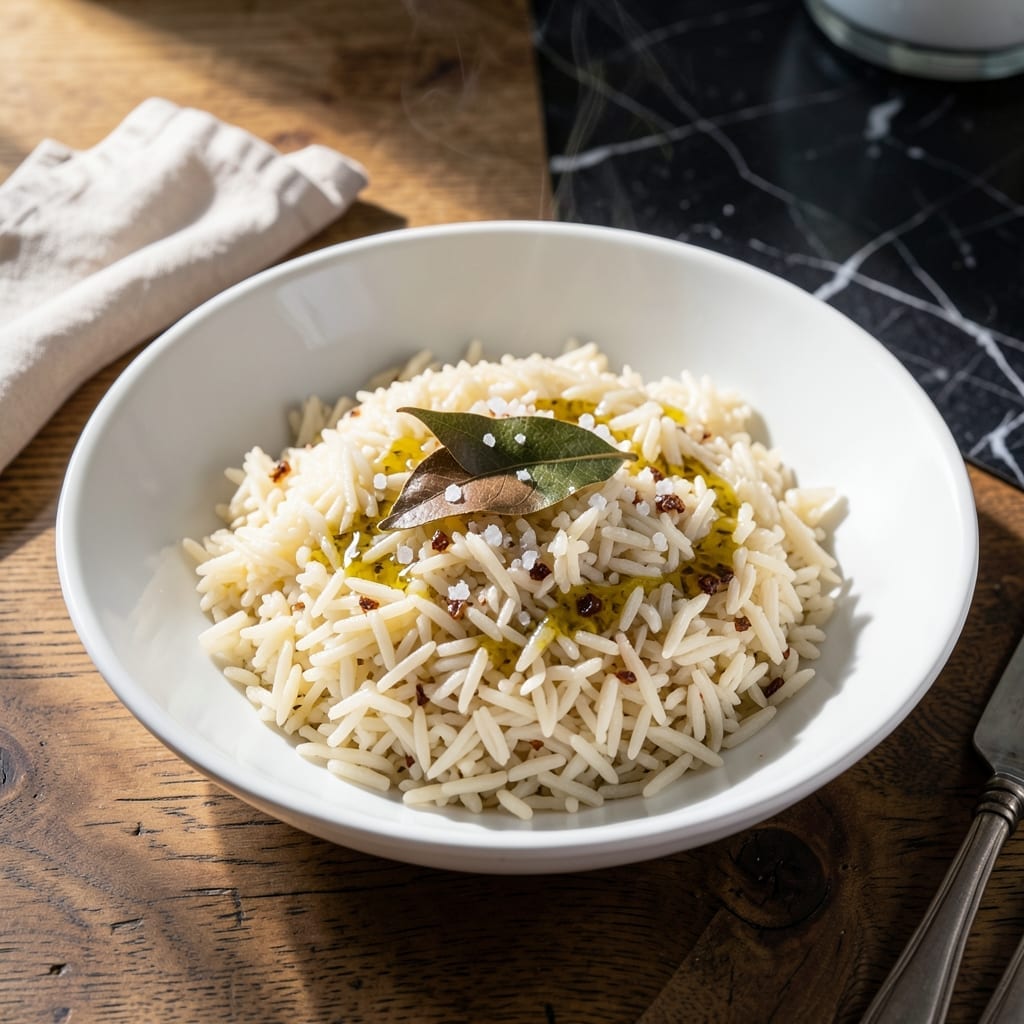
Achieving perfectly loose rice with distinct, fluffy grains requires precision in both technique and ratios. This method ensures each grain cooks evenly without clumping, delivering the separate texture that defines quality rice.
The foundation is using the correct water-to-rice ratio and avoiding the urge to stir during cooking. I’ve refined this approach through years of testing to guarantee consistent results every time.
What you’ll get is rice that’s light, airy, and never sticky. The grains remain intact, offering the ideal texture for pairing with sauces, curries, or grilled proteins.
This technique works with long-grain varieties like basmati or jasmine. Follow these steps for restaurant-quality rice at home.
Ingredients for Loose Rice
Precision starts with quality basmati and the right water ratio for fluffy grains.
| Ingredient | Amount | Notes |
|---|---|---|
| Basmati Rice 🌾 | 2 cups | Rinsed until water runs clear |
| Water 💧 | 4 cups | Filtered for best results |
| Kosher Salt 🧂 | 1 tsp | Diamond Crystal preferred |
| Unsalted Butter 🧈 | 1 tbsp | Optional for finishing |
| Extra-Virgin Olive Oil 🫒 | 1 tbsp | Alternative to butter |
| Bay Leaf 🍃 | 1 whole | Optional for aroma |
| Garlic Cloves 🧄 | 2 cloves | Lightly crushed, optional |
| Fresh Cilantro 🌿 | ¼ cup | Chopped, for garnish |
| Lemon Juice 🍋 | 1 tsp | Freshly squeezed, optional |
| Green Cardamom Pods 🌿 | 3 pieces | Lightly crushed, optional |
| Cinnamon Stick 🌿 | 1 piece | Optional for depth |
| Clarified Butter 🧈 | 1 tbsp | For authentic flavor |
The rice selection is critical. Basmati or jasmine long-grain varieties deliver the best results for this technique. Whole Foods and Trader Joe’s carry high-quality options—look for brands like Tilda or Lundberg. Rinsing the rice thoroughly removes excess starch, which is essential for achieving those separate grains. Never skip this step.
For a neutral base, stick with filtered water—tap water with strong minerals can affect texture. Clarified butter or ghee adds authentic richness, but extra-virgin olive oil works as a vegan alternative. The aromatics like bay leaf or cardamom are optional but elevate the dish significantly. If using garlic, lightly crushing the cloves releases more flavor without burning.
Uncooked rice keeps indefinitely in a sealed container in a cool, dry pantry. Once cooked, store leftovers in the fridge for up to 5 days or freeze for 3 months. Reheat with a splash of water to restore moisture and prevent drying out.
Why You’ll Love This Recipe
- Set and Forget: I just dump basmati, water, and a pinch of kosher salt in the pot, then walk away—no stirring, no stress.
- Buttery Magic: The unsalted butter and olive oil combo gives each grain this rich, nutty flavor that’s honestly addictive.
- Pairs With Anything: I’ve served it under spicy curries, next to roasted veggies, even with just a fried egg on top for dinner.
- Leftovers? Better: Here’s what sold me—it reheats perfectly the next day, fluffy and separate, not mushy like some other rices.
Step-by-Step Instructions for Loose Rice
This method guarantees perfectly separate grains with fragrant aroma and ideal texture.
Step 1: Rinse and Soak the Basmati Rice
Place the 2 cups Basmati Rice in a fine-mesh strainer and rinse under cold running water until the water runs completely clear. This removes excess starch, which is essential for preventing clumping and achieving distinct grains.
Transfer the rinsed rice to a bowl and cover with cold water. Let it soak for 20-30 minutes. Soaking hydrates the grains evenly, ensuring they cook uniformly without breaking. Drain thoroughly before cooking.
Step 2: Infuse the Cooking Liquid with Aromatics
In a medium saucepan, combine the 4 cups Water, 1 tsp Kosher Salt, 1 tbsp Clarified Butter, 1 whole Bay Leaf, 2 cloves Garlic Cloves, 3 pieces Green Cardamom Pods, and 1 piece Cinnamon Stick. Bring to a boil over high heat.
Allow the water to boil for 2-3 minutes to fully infuse the aromatics. This step imparts subtle depth of flavor to the rice, enhancing its natural nuttiness. The spices should release their fragrance, and the water will take on a light golden hue.
Step 3: Cook the Rice with Precision
Add the drained 2 cups Basmati Rice to the boiling aromatized water. Stir gently once to distribute the grains evenly. Reduce the heat to low, cover the saucepan with a tight-fitting lid, and simmer for 12-15 minutes.
Avoid lifting the lid during cooking—steam is crucial for even cooking. You’ll know it’s done when the water is fully absorbed and small craters appear on the surface. At this point, remove from heat and let it sit covered for 10 minutes.
Step 4: Fluff and Finish with Freshness
After resting, gently fluff the rice with a fork to separate the grains. Drizzle with 1 tbsp Unsalted Butter or 1 tbsp Extra-Virgin Olive Oil if using, and toss lightly to coat. This adds a subtle richness without making the rice greasy.
Sprinkle with 0.25 cup Fresh Cilantro and 1 tsp Lemon Juice for a bright, fresh finish. The cilantro adds a vibrant color and herbal note, while the lemon juice enhances the overall brightness of the dish. Serve immediately while the grains are still distinct and fluffy.
Pro Tips For Making Loose Rice
- Rinse the Rice: Soak basmati rice for 15-20 minutes then rinse until water runs clear—this removes excess starch so grains stay separate.
- Use the Right Ratio: For loose rice, stick to 1.5 cups water per 1 cup basmati, and add a pinch more salt than you think (kosher salt dissolves faster).
- Let It Steam: After cooking, turn off heat, cover tightly, and let it sit 10 minutes—this finishes the cooking without making it mushy.
- Butter Last: Stir in cold butter at the end, not during cooking, to keep grains distinct and add a rich finish without greasiness.
Make-Ahead Tips for Leftovers
Prep Ahead Technique
Rinsed and soaked basmati rice can sit in the fridge for up to 24 hours before cooking. I transfer it to a sealed container with fresh water after the initial soak to maintain hydration without over-softening the grains. 💡
Batch Cooking Method
Cook a double batch by scaling up to 4 cups rice and 8 cups water in a larger pot. The technique remains identical, but use a wider saucepan for even heat distribution. This saves time for busy weeks.
Fridge Storage
Store cooked rice in airtight containers for up to 5 days. I use glass containers to prevent odors from seeping in. Add a splash of water when reheating to restore moisture and separate grains.
Freezer Method
Portion cooked rice into freezer bags, squeezing out excess air to prevent freezer burn. It keeps for 3 months. Thaw overnight in the fridge before reheating with a 2 tbsp water splash. ❄️
Reheating Tips
For best results, reheat on the stovetop with a splash of water or broth. Cover and warm over low heat for 5-7 minutes, stirring gently once. Microwave works too at 50% power for 2-minute intervals.
Aromatic Boost
If making ahead, undercook the rice by 2 minutes so it finishes when reheated. Add fresh aromatics like crushed cardamom or a bay leaf during reheating to revive the flavors.
Nutrition Facts
Frequently Asked Questions
Why rinse the rice before cooking?
Rinsing removes excess starch that can make grains sticky. Use cold water until it runs clear for best results. This step is essential for achieving separate, fluffy grains.
Can I use a rice cooker for this method?
Yes, but reduce water to 1.75 cups per 1 cup rice. Follow your cooker’s instructions and let it rest 10 minutes after cooking for optimal texture.
What if my rice turns out sticky?
This usually means too much water or not enough rinsing. Next time, use 2 cups water per 1 cup rice and rinse thoroughly. Also avoid stirring during cooking.

- Lump Rice Recipe Sri Lanka: Traditional Island-Style Texture - November 4, 2026
- Laos Sticky Rice Recipe: Traditional Steamed Perfection - November 4, 2026
- Magic Rice Recipe: One-Pot Aromatic Wonder - November 4, 2026