
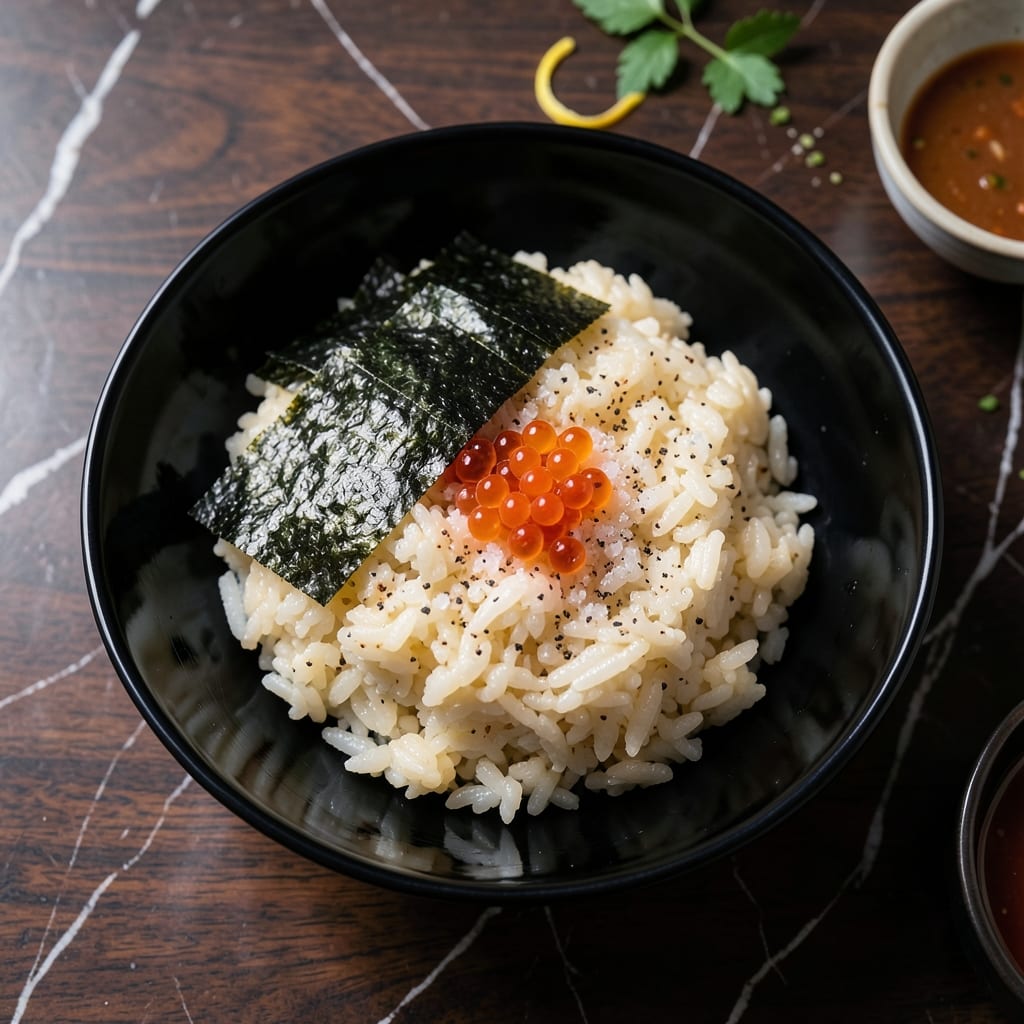
Achieving perfect sushi rice at home starts with the right vinegar, and Marukan delivers the authentic tang that defines traditional Japanese flavor. This method ensures each grain stays separate yet sticky enough to hold its shape.
The secret lies in the precise ratio of rice to water and the careful incorporation of the vinegar mixture while the rice is still warm. Marukan rice vinegar provides the ideal balance of acidity and sweetness that defines traditional sushi rice.
What results is glossy, slightly tacky rice with a delicate sheen and the faintest sweet-sour note. The texture is neither mushy nor dry—just right for rolling, shaping, or serving as a base for nigiri.
Master this foundation, and every sushi creation that follows will taste like it came from a Tokyo kitchen.
Ingredients for Marukan Rice Vinegar Sushi Rice
Short-grain rice and Marukan vinegar bring authentic flavor to this traditional dish.
| Ingredient | Amount | Notes |
|---|---|---|
| Sushi Rice 🍚 | 2 cups | Short-grain Japanese variety |
| Water 💧 | 2 ½ cups | For rinsing and cooking |
| Marukan Rice Vinegar 🍶 | ½ cup | Authentic Japanese brand |
| Granulated Sugar 🍚 | 2 tbsp | Dissolves into vinegar mixture |
| Sea Salt 🧂 | 1 tsp | Fine grain preferred |
| White Sugar 🍚 | 1 tbsp | Balances vinegar acidity |
| Rice Vinegar 🍶 | 2 tbsp | Optional for extra tang |
| Kombu 🌿 | 1 piece | 2-inch square for cooking |
| Mirin 🍶 | 1 tbsp | Sweet cooking rice wine |
| Sake 🍶 | 1 tbsp | Optional for depth |
The rice is everything here. Short-grain Japanese sushi rice (like Koshihikari or Nishiki) is non-negotiable—jasmine or long-grain won’t give you that perfect sticky texture. Marukan rice vinegar is the gold standard for that authentic tang, but any good Japanese brand works. Find these at Asian markets or the international aisle at most supermarkets.
No sushi rice? Don’t bother—regular rice won’t work. Out of Marukan? Any Japanese rice vinegar is fine, but avoid Western varieties—they’re too sharp. The sugar balances the acidity, so don’t skip it (or use honey at one-to-one ratio). Kombu adds umami depth, but it’s optional—omit if unavailable without issue.
Uncooked rice keeps in a sealed container for 6-12 months. Cooked sushi rice is best used fresh but can be refrigerated for 24 hours—just bring to room temperature before serving. The vinegar mixture lasts 1 month in the fridge.
Why You’ll Love This Recipe
- No Cook Seasoning: I just mix Marukan vinegar, sugar, and salt—no cooking required, and it’s ready in minutes.
- Bright Tangy Bite: The vinegar’s mild acidity with a touch of sugar makes every grain sing.
- Roll or Bowl: Honestly, it’s as good in sushi rolls as it is under a fried egg for dinner.
- Keeps Like a Dream: Leftovers stay fresh for days, so I always make a double batch.
Step-by-Step Instructions for Sushi Rice with Marukan Rice Vinegar
Here’s the method. Straightforward, tested, works every time.
Step 1: Rinse and Soak the Sushi Rice
Place the 2 cups sushi rice in a large bowl and cover with cold water. Gently swirl the rice with your hand for 10-15 seconds until the water turns cloudy. Drain immediately through a fine-mesh sieve. Repeat this rinsing process 3-4 times until the water runs nearly clear.
This step removes excess starch, which prevents the rice from becoming gummy. After rinsing, add the 2.5 cups water to the rice and let it soak for 30 minutes. I always set a timer—this soaking period allows the grains to absorb moisture evenly for consistent cooking.
Step 2: Cook the Rice with Kombu
Drain the soaked rice thoroughly, then transfer it to a rice cooker or heavy-bottomed pot. Add the 2.5 cups water and place the 1 piece kombu on top of the rice. If using a pot, bring to a boil, then reduce to low heat, cover, and cook for 15-20 minutes until the water is absorbed.
The kombu infuses subtle umami flavor into the rice as it cooks. Don’t stir the rice during cooking—this can break the grains and create a mushy texture. You’ll know it’s done when you hear a slight hissing sound and see small steam vents form on the surface.
Step 3: Prepare the Vinegar Mixture
In a small saucepan, combine the 0.5 cup Marukan rice vinegar, 2 tbsp granulated sugar, 1 tbsp white sugar, 1 tsp sea salt, 1 tbsp mirin, and 1 tbsp sake. Heat over medium-low for 2-3 minutes, stirring constantly until the sugar and salt fully dissolve.
Remove from heat and let cool slightly. This traditional seasoning blend, called sushi-su, creates that signature tangy-sweet balance. I test the mixture by dipping a spoon in—it should taste sharply acidic at first, but the sweetness should come through as it cools.
Step 4: Season and Fold the Rice
Once the rice is cooked, let it sit covered for 10 minutes to steam. Transfer the warm rice to a large wooden bowl or glass dish. Drizzle the vinegar mixture evenly over the rice. Using a rice paddle or silicone spatula, gently fold the rice with a cutting motion for 2-3 minutes.
This folding technique, called “sushi rice cutting,” ensures each grain gets evenly coated without being crushed. The rice should be glossy and slightly sticky but not clumped together. Keep a small bowl of water nearby to wet your paddle occasionally—this prevents the rice from sticking.
Step 5: Cool and Finish
Cover the seasoned rice with a damp kitchen towel and let it cool to room temperature, about 20-30 minutes. I recommend using a fan on low speed to circulate air and cool the rice faster without drying it out. The rice is ready when it’s no longer steaming and feels just warm to the touch.
For extra tang, you can fold in the 2 tbsp rice vinegar at this point if desired. Use the rice immediately for sushi, or store it covered at room temperature for up to 4 hours. The grains should maintain their individual shape while holding together just enough for easy rolling or pressing.
Pro Tips For Making Marukan Rice Vinegar Sushi Rice
- Rinse the Rice: Wash the sushi rice in 3-4 changes of cold water until it runs nearly clear—this removes excess starch so your grains stay separate and glossy, not gummy.
- Warm the Vinegar: Gently heat the Marukan rice vinegar with sugar and salt in a small saucepan just until dissolved, then cool slightly before mixing into rice—this prevents grain shock and ensures even seasoning.
- Use a Wooden Spoon: When folding the vinegar mixture into the cooked rice, use a wooden spoon or rice paddle and cut through the rice in a slicing motion—this keeps the grains intact while distributing the seasoning evenly.
- Fan While Mixing: As you combine the vinegar mixture with the warm rice, fan it with a hand or a piece of cardboard to cool it quickly and give it that signature sushi rice sheen—this step sounds old-school but actually changes the outcome.
Flavor Customization for This Dish
Sweet Variation
Add 1 extra tbsp white sugar to the vinegar mixture for a sweeter profile. This works beautifully for inari sushi or dessert-style rice. I find this ratio particularly appealing when serving to kids or those new to sushi rice. 💛
Tangy Boost
Increase the Marukan rice vinegar to ¾ cup for a sharper acidity. This is my go-to when serving with rich fish like salmon or fatty tuna. The extra tang cuts through the oiliness perfectly.
Umami Depth
Add 1 tsp soy sauce and ½ tsp dashi powder to the vinegar mixture. This creates a more complex, savory base ideal for nigiri. Stir well to fully dissolve the dashi before applying to the rice.
Citrus Twist
Mix in 1 tsp yuzu juice or zest of 1 lemon to the vinegar blend for a bright, citrusy note. This pairs wonderfully with shrimp or scallop toppings. The citrus aroma elevates the entire dish.
Spicy Kick
Fold in ½ tsp sriracha or 1 tsp chili oil after seasoning for a subtle heat. I recommend starting with less—you can always add more to individual portions. Great for spicy tuna rolls. 🔥
Herbal Touch
Finely chop 1 tbsp fresh chives or 1 tsp shiso leaves and gently mix into the finished rice. This adds a fresh, herbaceous element that complements vegetable sushi beautifully.
Nutrition Facts
Frequently Asked Questions
Can I use regular vinegar instead of Marukan?
Stick with Japanese rice vinegar for authentic flavor. Western vinegars are too harsh and can make the rice taste bitter. Marukan’s mild acidity balances perfectly with the sugar and salt.
How do I store leftover sushi rice?
Keep it covered at room temperature for up to 4 hours. For longer storage, refrigerate in an airtight container for 24 hours max. Reheat gently with a damp towel to restore moisture.
Why does my rice turn out mushy?
Over-rinsing or stirring during cooking breaks the grains. Use short-grain rice only, rinse just until water runs clear, and avoid stirring after cooking starts.
Can I make the vinegar mixture ahead?
Yes! Mix and store in the fridge for up to 1 month. Warm slightly before using to help it absorb better into the rice.

- Mujadara Rice and Lentils Recipe: Earthy Spiced Lentils With Caramelized Onions - November 1, 2026
- Naija Fried Rice Recipe: Street-Style Spice With Veggie Crunch - November 1, 2026
- Mushy Rice Recipe: Fluffy Grains Transformed in Minutes - November 1, 2026