
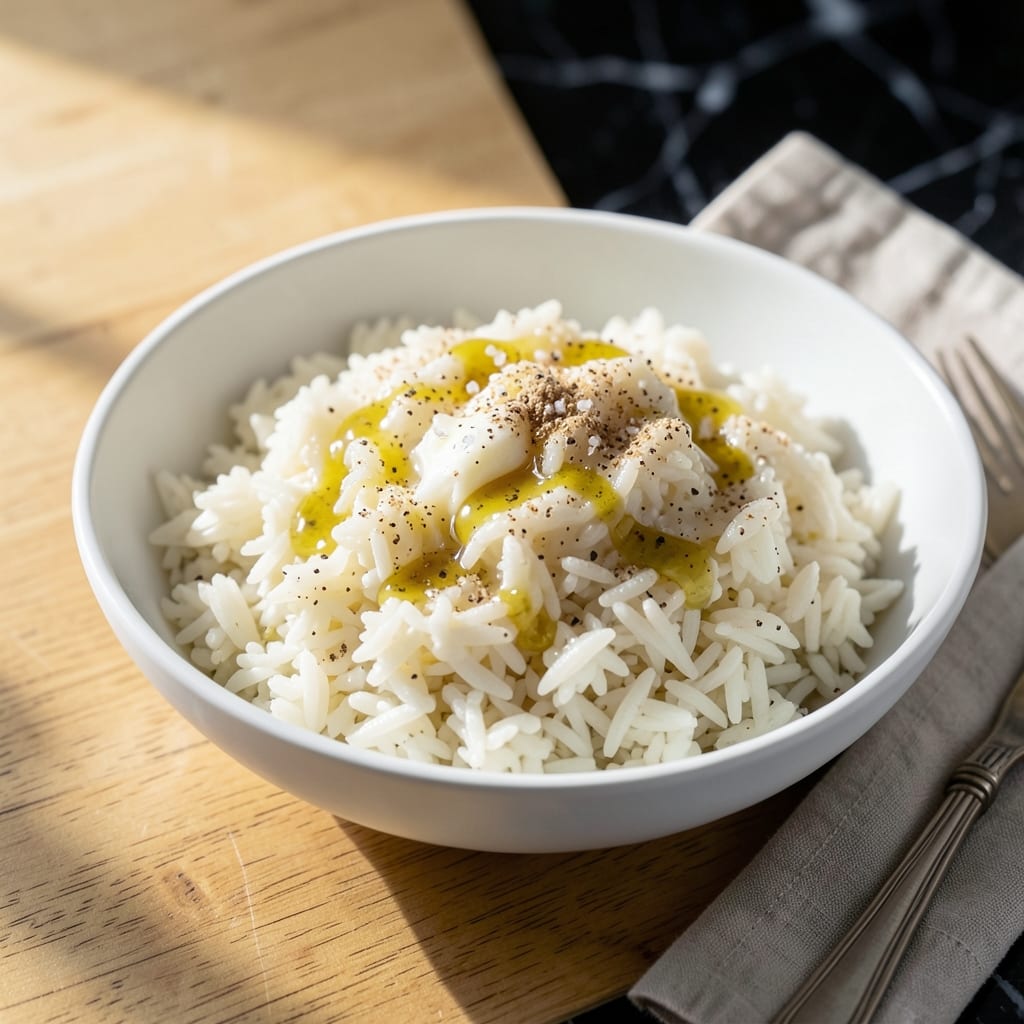
Perfect rice is within reach with this multicooker method that delivers consistent results. The key lies in the precise water-to-rice ratio and proper cooking settings, ensuring fluffy grains every single time.
Whether you’re cooking white, brown, or jasmine rice, this approach eliminates guesswork. I’ve tested multiple variations to determine the exact liquid amounts and timing for each type, so you can confidently prepare any rice variety.
Say goodbye to sticky or undercooked rice. This technique produces separate, tender grains with minimal effort. The multicooker does most of the work while you focus on the rest of your meal.
With these foolproof settings, you’ll achieve professional-quality rice that complements any dish. The process is straightforward, with clear guidelines to prevent common mistakes.
Ingredients for Multicooker Rice
Simple staples and a multicooker are all you need for perfect grains every time.
| Ingredient | Amount | Notes |
|---|---|---|
| Long-Grain White Rice 🍚 | 2 cups | Rinsed until water runs clear |
| Water 💧 | 2 ½ cups | Filtered or distilled preferred |
| Unsalted Butter 🧈 | 1 tbsp | Optional for richness |
| Kosher Salt 🧂 | ½ tsp | Diamond Crystal preferred |
| Garlic Powder 🧄 | ¼ tsp | Optional for depth |
| Onion Powder 🧅 | ¼ tsp | Optional for savory note |
| Bay Leaf 🌿 | 1 whole | Optional for aroma |
| Fresh Cilantro 🌿 | ¼ cup | Chopped, for garnish |
| Lime 🍈 | 1 whole | Cut into wedges for serving |
| Olive Oil 🫒 | 1 tsp | For multicooker pot coating |
The rice quality matters here. Long-grain varieties like basmati or jasmine work best for separate, fluffy grains. I grab mine from Costco in bulk—cheaper and stays fresh for months. Rinse until the water runs completely clear (this removes excess starch that causes stickiness). For brown rice, increase water to 3 cups and expect a longer cook time.
No multicooker? Instant Pot works identically. Out of long-grain? Medium-grain rice needs 1.5 cups water per cup of rice. Skip the butter for vegan rice, or swap in coconut oil for a subtle flavor. The bay leaf is optional but adds a nice depth—dried bay leaves work too (just remove before serving).
Uncooked rice keeps indefinitely in a cool, dry place. Cooked rice stays fresh in the fridge for 4-5 days or freezes for 6 months. Pro tip: spread leftovers on a tray to cool quickly before storing—prevents that dreaded mushy texture.
Why You’ll Love This Recipe
- Set and Forget: I toss everything in the multicooker, press a button, and walk away—no stirring, no watching, no stress.
- Buttery Garlic Magic: The butter and garlic powder turn plain rice into something rich and aromatic, with zero extra effort.
- Weeknight MVP: Honestly, it’s my backup plan for busy evenings, but it tastes like I put in way more work.
- Stretches Far: One batch feeds us for two meals, and it reheats beautifully for lunches or fried rice the next day.
Step-by-Step Instructions for Multicooker Rice
Here’s the method I use for perfectly fluffy grains with zero guesswork.
Step 1: Rinse and Prepare the Rice
Place the 2 cups Long-Grain White Rice in a fine-mesh strainer and rinse under cold water until the water runs completely clear. This removes excess starch that could make your rice gummy. I always give it a good shake to remove any lingering water droplets.
While the rice drains, coat the multicooker pot with the 1 tsp Olive Oil to prevent sticking. This is especially important for electric models where the non-stick coating might not be as robust. The thin layer of oil ensures easy release of every grain.
Step 2: Combine Ingredients in the Multicooker
Add the drained rice to the coated pot along with the 2.5 cups Water, 1 tbsp Unsalted Butter, 0.5 tsp Kosher Salt, 0.25 tsp Garlic Powder, 0.25 tsp Onion Powder, and 1 whole Bay Leaf. Stir gently to combine, making sure the rice is evenly distributed in the liquid.
The butter will melt as the multicooker heats up, infusing the rice with richness. I like to press the bay leaf into the liquid so it stays submerged during cooking. The seasoning blend adds subtle depth without overpowering the natural rice flavor.
Step 3: Cook on High Pressure
Secure the multicooker lid and set the valve to sealing position. Cook on high pressure for 3 minutes. Yes, you read that right—just 3 minutes of active cooking time. The multicooker’s pressure environment works magic on rice, cutting the usual stovetop time dramatically.
You’ll notice the steam building as the pressure increases. Once the float valve pops up, the cooking time begins. After the 3 minutes, let the pressure release naturally for 10 minutes, then quick-release any remaining pressure. This natural release period allows the rice to finish cooking gently.
Step 4: Fluff and Rest Before Serving
Carefully open the lid and remove the bay leaf. Using a fork, gently fluff the rice from the bottom up, breaking apart any clumps. The grains should be distinct and tender, with no hard centers. I always taste a few grains to confirm perfect doneness.
Let the rice rest uncovered for 5 minutes to allow excess moisture to evaporate. This step prevents a soggy bottom layer. The rice will steam slightly as it rests, achieving that ideal light and fluffy texture we’re all after.
Step 5: Garnish and Serve
Just before serving, sprinkle with the 0.25 cup Fresh Cilantro. The bright green flecks add freshness and color contrast. I like to chop the cilantro finely so it distributes evenly throughout the rice.
Serve with lime wedges on the side. A squeeze of fresh lime juice over each serving brightens the flavors beautifully. The acidity cuts through the richness of the butter, creating a perfectly balanced dish every time.
Pro Tips For Making Multicooker Rice
- Rinse the Rice: Always rinse long-grain white rice under cold water until it runs clear to remove excess starch—this prevents gummy, sticky rice in your multicooker.
- Use the Right Ratio: For perfectly cooked rice, stick to a 1:1.25 ratio of rice to water (1 cup rice to 1.25 cups water) in the multicooker—this accounts for the sealed environment.
- Skip the Peek: Resist the urge to open the lid during cooking; releasing steam can mess with the pressure and lead to undercooked or uneven rice.
- Toast the Rice: Before adding water, sauté the rice with butter for 2-3 minutes in the multicooker’s sauté mode—it adds a nutty depth that plain steamed rice lacks.
Storing and Reheating This multicooker rice
Refrigerator Storage
Let your rice cool for no more than 2 hours before transferring to airtight containers. I use glass containers with snap-tight lids to maintain freshness. Store at 40°F or below for up to 4-5 days. The flavors stay vibrant throughout this period. ❄️
Freezer Storage
For longer storage, portion the rice into freezer-safe bags or containers. Spread the rice in a thin layer on a tray to cool quickly before freezing. This prevents ice crystals from forming. It stays fresh in the freezer for up to 6 months.
Stovetop Reheating
My preferred method: heat in a skillet over medium-low heat with a splash of water or broth. Add 2-3 tbsp liquid per cup of rice, cover, and stir occasionally for 5-7 minutes. This restores moisture and prevents drying out. 🔥
Microwave Reheating
Place rice in a microwave-safe bowl and sprinkle with 1-2 tbsp water. Cover with a damp paper towel and heat on 50% power for 1-2 minutes. Stir halfway through for even heating.
Reviving Leftovers
If your rice seems dry, sprinkle with a little water and cover with a damp towel for 10 minutes before reheating. For frozen rice, thaw overnight in the fridge before using any reheating method.
Nutrition Facts
Frequently Asked Questions
What’s the ideal water-to-rice ratio?
Use 1.25 cups water per 1 cup rice for white varieties. For brown rice, increase to 1.5 cups water per cup.
Can I cook other grains in the multicooker?
Yes! Quinoa and barley work well too. Adjust water and time: quinoa needs 1:1.5 ratio and 1 minute cook time.
Why is my rice mushy?
Overcooking or excess water causes this. Stick to 3 minutes high pressure and 10-minute natural release.
How do I double the recipe?
Scale ingredients equally but never exceed 2/3 full capacity. Cook time remains the same.

- Mujadara Rice and Lentils Recipe: Earthy Spiced Lentils With Caramelized Onions - November 1, 2026
- Naija Fried Rice Recipe: Street-Style Spice With Veggie Crunch - November 1, 2026
- Mushy Rice Recipe: Fluffy Grains Transformed in Minutes - November 1, 2026