
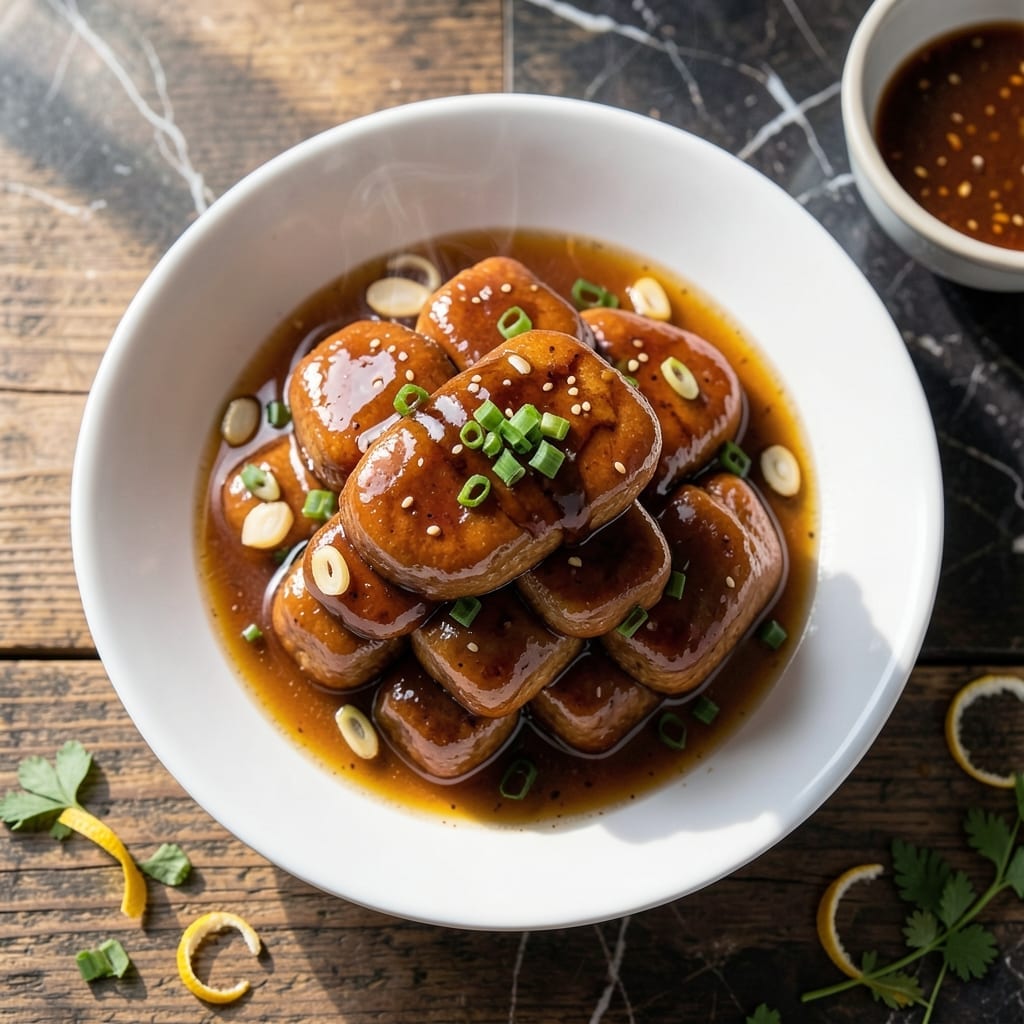
This classic Korean dish reimagines rice cakes in a mild, savory style that’s perfect for those avoiding heat. The chewy texture of the rice cakes soaks up a rich, umami-packed sauce without any spicy kick. It’s a comforting bowl that stays true to tradition while being approachable for all palates.
The beauty of this recipe lies in its simplicity. A few pantry staples—soy sauce, garlic, and sesame oil—combine to create a deeply flavorful base. The rice cakes cook quickly, absorbing the sauce while maintaining their signature bounce. It’s a foolproof way to enjoy a beloved Korean staple.
What you’ll love is the balance of flavors: salty, sweet, and savory all in one bite. The dish comes together in under 20 minutes, making it ideal for a quick yet satisfying meal. Serve it hot, with the sauce clinging to every chewy piece.
Versatile and crowd-pleasing, this dish works as a main or side. Here’s how to make it at home.
Ingredients for Non Spicy Rice Cake
A handful of simple ingredients create this comforting Korean classic with chewy rice cakes.
| Ingredient | Amount | Notes |
|---|---|---|
| Korean Rice Cakes 🍚 | 1 lb | Cylindrical or oval shape preferred |
| Soy Sauce 🥫 | ½ cup | Low-sodium or regular as preferred |
| Brown Sugar 🍚 | 3 tbsp | For subtle sweetness balance |
| Garlic Cloves 🧄 | 4 cloves | Minced finely for even distribution |
| Sesame Oil 🫒 | 1 tbsp | Toasted for nutty aroma |
| Vegetable Broth 🥫 | 1 ½ cups | Low-sodium or homemade |
| Green Onions 🧅 | ½ cup | Thinly sliced for garnish |
| Sesame Seeds 🌾 | 1 tbsp | Toasted for garnish |
| Mushrooms 🍄 | ½ lb | Shiitake or white button, sliced |
| Onion 🧅 | 1 whole | Yellow or white, thinly sliced |
| Vegetable Oil 🫒 | 2 tbsp | For sautéing vegetables |
| Salt 🧂 | ½ tsp | Adjust to taste |
| Black Pepper 🌶️ | ¼ tsp | Freshly ground preferred |
The rice cakes are the star here. Look for Korean rice cakes in the refrigerated section of Asian markets or the international aisle at Whole Foods. If you can’t find fresh ones, frozen works in a pinch (thaw first). For the soy sauce, I prefer Kikkoman or any low-sodium version to control the saltiness. The mushrooms add depth—shiitake are ideal, but cremini or white button work too.
No sesame oil? Skip it—don’t substitute with another oil, as the flavor is key. Out of brown sugar? Coconut sugar or maple syrup at the same amount works. For the broth, any vegetable-based version is fine, but avoid chicken or beef to keep it vegan. The green onions can be swapped for chives (though less traditional). If you’re missing mushrooms, zucchini or carrots add a similar texture.
Leftovers keep beautifully in the fridge for 3-4 days—the rice cakes actually soak up more flavor overnight. Reheat gently with a splash of water to loosen the sauce. For longer storage, freeze without garnishes for up to 3 months. Thaw and reheat with a little extra broth.
Why You’ll Love This Recipe
- One Pot Wonder: I toss everything in a pan—soy sauce, brown sugar, garlic—and let the rice cakes soak up that sweet-savory goodness without a pile of dishes.
- Sweet & Savory Magic: The brown sugar caramelizes just enough to coat the chewy rice cakes, while the garlic and sesame oil give it depth without any heat.
- Lunchbox Hero: Honestly, this tastes even better cold the next day. I pack leftovers for work, and my coworkers always ask what I’m eating.
- Budget Stretcher: Korean rice cakes are cheap, and a little soy sauce and sugar go a long way. Feeds four for less than the cost of takeout.
Step-by-Step Instructions for Mild and Savory Korean Rice Cakes
Here’s the method I use to create this comforting dish with rich flavor and perfect texture.
Step 1: Soak and Prepare the Rice Cakes
Place the 1 lb Korean Rice Cakes in a bowl and cover with warm water. Let them soak for 15-20 minutes until they become soft and pliable. I like to gently squeeze them after soaking to remove excess water—this helps them absorb the sauce better.
Drain the rice cakes well and set aside. If your rice cakes are particularly thick, you might need to cut them in half lengthwise so they cook evenly and absorb the sauce throughout.
Step 2: Sauté the Aromatics and Vegetables
Heat the 2 tbsp Vegetable Oil in a large skillet or wok over medium-high heat. Add the 1 whole Onion, thinly sliced, and cook for 3-4 minutes until it starts to soften and become translucent.
Add the 0.5 lb Mushrooms, sliced, and cook for another 4-5 minutes until they release their moisture and begin to brown. Stir in the 4 cloves Garlic Cloves, minced, and cook for 30 seconds until fragrant. Season with 0.5 tsp Salt and 0.25 tsp Black Pepper.
This step builds the flavor foundation for your dish, so take your time and let the vegetables develop some color.
Step 3: Create the Sauce and Combine
In a small bowl, whisk together the 0.5 cup Soy Sauce, 3 tbsp Brown Sugar, 1 tbsp Sesame Oil, and 1.5 cups Vegetable Broth until the brown sugar dissolves completely. This sauce strikes the perfect balance between salty and subtly sweet.
Pour the sauce mixture into the skillet with the vegetables. Add the soaked and drained rice cakes, stirring gently to coat them evenly. Bring the mixture to a gentle simmer and cook for 8-10 minutes, stirring occasionally, until the rice cakes are tender and have absorbed much of the sauce.
Step 4: Finish and Garnish
Once the rice cakes are tender and the sauce has thickened slightly, remove the skillet from heat. Stir in half of the 0.5 cup Green Onions, thinly sliced, reserving the rest for garnish.
Transfer to serving plates and sprinkle with the remaining green onions and the 1 tbsp Sesame Seeds. The dish should have a glossy sauce that clings to the rice cakes and vegetables, with a rich, umami flavor that’s comforting without being spicy.
Let it sit for 2-3 minutes before serving to allow the flavors to meld together. This dish tastes even better the next day as the rice cakes continue to absorb the sauce.
Pro Tips For Making Non Spicy Rice Cake
- Soak the Rice Cakes: I learned this the hard way—dry rice cakes stay chewy and undercooked. Soak them in warm water for 15-20 minutes before cooking, or they’ll never absorb the sauce properly.
- Bloom the Garlic: Cook minced garlic in sesame oil for 30 seconds over medium-low heat until fragrant. Sounds simple, but raw garlic in the sauce gives it a harsh bite that overpowers the dish.
- Simmer, Don’t Boil: After adding the rice cakes, keep the heat at a gentle simmer. Boiling makes them turn to mush—I ruined a whole batch this way before figuring out the sweet spot.
- Use Fresh Sesame Oil: That old bottle in your pantry loses its nutty punch. A fresh drizzle of sesame oil at the end actually changes the outcome, giving the dish its signature aroma.
Troubleshooting non spicy rice cake
Rice Cake Texture Issues
If your rice cakes are too firm after cooking, they likely needed more soaking time. Soak them in warm water for the full 20 minutes before cooking. For stubbornly hard pieces, simmer them in the sauce for an extra 3-5 minutes. 💡
Sauce Too Thin
When the sauce doesn’t thicken, reduce it first before adding rice cakes. Simmer the sauce mixture for 5-7 minutes until it coats the back of a spoon. If already combined, cook uncovered for 3-4 minutes to evaporate excess liquid.
Over-Salty Flavor
Using regular soy sauce can make the dish too salty. Switch to low-sodium soy sauce or reduce the amount by 2 tbsp. Balance the saltiness by adding 1 tsp more brown sugar or a splash of water to dilute.
Mushrooms Not Browning
If your mushrooms are steaming instead of browning, your pan isn’t hot enough. Heat the vegetable oil until shimmering, then add mushrooms in a single layer. Don’t stir for 2 minutes to allow proper browning.
Sauce Not Absorbing
Older rice cakes may resist absorbing sauce. Use fresh rice cakes and soak them properly. Stir gently but frequently during cooking to help the sauce penetrate. If needed, let the dish sit covered for 5 minutes off heat. ✨
Garnishes Soggy
Adding all green onions at once can make them limp. Stir in half during cooking and save the rest for fresh garnish. Toast sesame seeds in a dry pan for 1-2 minutes before adding to maintain their crunch.
Nutrition Facts
Frequently Asked Questions
Can I use frozen rice cakes instead?
Yes, but thaw them completely in warm water first. Frozen rice cakes need extra soaking time—about 25-30 minutes—to soften properly before cooking.
What can I substitute for brown sugar?
Coconut sugar or maple syrup work in the same 3 tbsp amount. Avoid honey if keeping it vegan. Each adds a slightly different sweetness profile.
Why did my rice cakes stay hard?
They likely needed more soaking or cooking time. Soak for the full 20 minutes in warm water, then simmer in sauce for 10 minutes to soften.
Can I make this ahead of time?
The dish keeps well in the fridge for 3-4 days. In fact, the flavors deepen overnight as the rice cakes absorb more sauce.

- Jollof Rice Sauce Recipe: West African Tomato and Spice Infusion - September 25, 2026
- Japanese Rice Soup Recipe: Umami-Rich Comfort in a Bowl - September 25, 2026
- Homemade Cream Of Rice Recipe: Silk-Smooth Breakfast in Minutes - September 25, 2026